 Italian News by RSS
Il Tempo: Artemis II sorvola il lato oscuro della Luna: la diretta video della Nasa
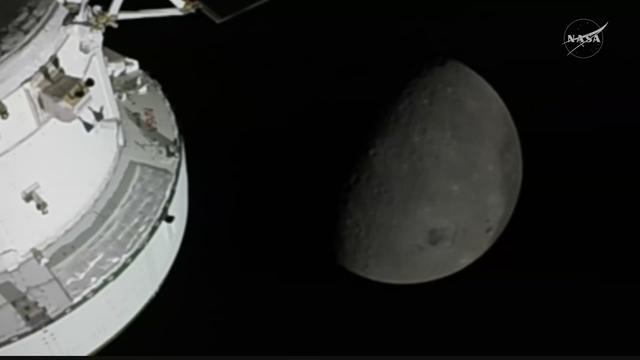
Durante lo storico sorvolo del lato oscuro della Luna, raggiungeranno anche la massima distanza dalla Terra mai raggiunta dall'uomo, i quattro astronauti a bordo di Artemis II potranno tardi osservare un'eclissi solare della durata di circa 53 minuti, un'eclissi che non sarà visibile dal nostro pianeta. La diretta della Nasa:
LIVE: Watch with us as the Artemis II astronauts make their closest approach to the Moon, traveling farther from Earth than ever before. https://t.co/Zpy7GdTqA8 — NASA (@NASA)
April 6, 2026
L'eclissi solare totale, circa sette volte più lunga di quelle visibili dalla Terra, inizierà intorno alle 20:35 ora della costa orientale degli Stati Uniti (le 2 in Italia del 7 aprile), secondo la Nasa. L'eclissi avverrà circa 90 minuti dopo che la navicella Orion avrà raggiunto il punto più lontano dalla Terra: circa 407.000 chilometri, ovvero circa 6.400 chilometri in più rispetto alla distanza raggiunta dalla missione Apollo nell'aprile del 1970. Christina Koch, Victor Glover, Jeremy Hansen e Reid Wiseman, che stanno facendo la storia con il ritorno dell'uomo in orbita lunare dopo oltre cinquant'anni, potranno osservare l'eclissi solare, proprio come fecero gli astronauti dell'Apollo, sebbene non durante un sorvolo come quello di Artemis II.
"Dal punto di vista della navicella, il Sole passerà dietro la Luna, creando un'eclissi solare. Da questa posizione privilegiata, l'eclissi durerà circa 53 minuti, dopodiché si assisterà all'alba, quando il Sole riapparirà dall'altro lato della Luna", ha spiegato alla stampa Kelsey Young, responsabile delle operazioni scientifiche di Artemis. Inoltre, l'equipaggio assisterà prima al tramonto della Terra, quando il pianeta scompare dietro il lato nascosto della Luna, e poi alla sua ricomparsa sull'altro lato: la cosiddetta "alba terrestre".
Artemis II flies over the dark side of the Moon: NASA’s live video broadcast.
During the historic flyby of the dark side of the Moon, the four astronauts aboard Artemis II will also reach the greatest distance from Earth ever achieved by humankind, allowing them to late observe a solar eclipse lasting approximately 53 minutes – an eclipse that will not be visible from our planet. NASA’s Live Stream:
LIVE: Watch with us as the Artemis II astronauts make their closest approach to the Moon, traveling farther from Earth than ever before. https://t.co/Zpy7GdTqA8 — NASA (@NASA)
April 6, 2026
The total solar eclipse, approximately seven times longer than those visible from Earth, will begin around 8:35 PM Eastern Time (2:00 PM in Italy on April 7th), according to NASA. The eclipse will occur about 90 minutes after the Orion spacecraft has reached its farthest point from Earth: approximately 407,000 kilometers, or about 6,400 kilometers further than the distance achieved by the Apollo mission in April 1970. Christina Koch, Victor Glover, Jeremy Hansen, and Reid Wiseman, who are making history with the return of humans to lunar orbit after more than fifty years, will be able to observe the solar eclipse, just as the Apollo astronauts did, although not during a flyby like that of Artemis II.
“From the spacecraft’s perspective, the Sun will pass behind the Moon, creating a solar eclipse. From this privileged position, the eclipse will last about 53 minutes, after which the sunrise will occur, when the Sun reappears on the other side of the Moon,” explained to the press Kelsey Young, the head of scientific operations for Artemis. Furthermore, the crew will first witness the setting of Earth, when the planet disappears behind the far side of the Moon, and then its reappearance on the other side – the so-called “Earthrise.”
#ArtemisII #Earth #@NASA #Italy #Orion #Apollo #ChristinaKoch #VictorGlover #JeremyHansen #ReidWiseman #KelseyYoung #Artemis #first #Earthrise