Sju frågor och svar: ”Stort glapp” när vätgasplaner möter verklighet
Nu drar SSAB:s jättebygge för 50 miljarder igång • Stålverkets nya hjärta: ljusbågsugnar • ”Väldigt mycket robotar”
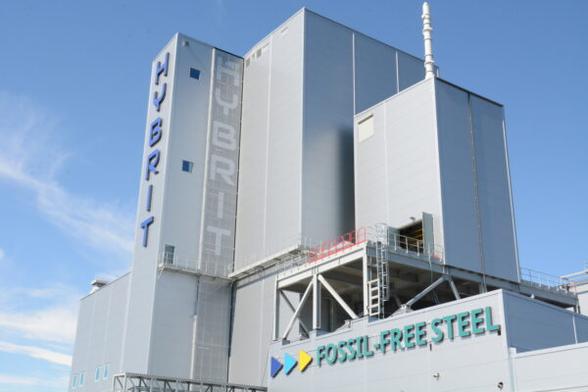
På onsdag tas första spadtaget till SSAB:s nya stålverk i Luleå. Jättebygget för 50 miljarder ska helt förändra hur tillverkningen av svenskt stål går till.#hybrit #industri #lkab #masugn #ssab #stål #stålindustri #topp
Masugnarna försvinner – nya stålverket blir eldrivet: ”Väldigt mycket robotar”
Hybrit har nu testat ett vätgaslager kommersiellt på elmarknaden med mycket positiva resultat. Genom att lägga till lagring kan den rörliga kostnaden för vätgasproduktion sänkas rejält, med mellan 25 till 40 procent. Vätgaslagret användes under cirka en månad direkt mot elmarknaden. Uppdraget var att producera vätgas från fossilfri el med rörligt elpris till så låg […]
There already was speculation 2 years ago about the future of the Raahe plant, both by energy sector and financial experts. Meeting national emission reduction targets will be very difficult if the Raahe plant is not decarbonised.
SSAB has prioritised development of carbon-free #HYBRIT technology in steel plants in Sweden, so Raahe is more vulnerable if there are any doubts regarding techno-economic feasibility.
https://www.iltalehti.fi/talous/a/74bf2d1e-f305-40b0-aa2a-468eb88e4570
The largest polluter in Finland, The #SSAB steel plant in Raahe with 4 MtCO2/a emissions, is struggling with weak demand and layoffs are possible.
The plant is projected to be the most significant offtaker for green hydrogen, once carbon-free #HYBRIT reduction is introduced.
This could mean that power demand will not grow as expected.
With wind power expansion already outpacing electricity demand growth, this means even more uncertainty for power producers.
https://www.ssab.com/fi-fi/uutiset/2023/09/ssab-europe-to-initiate-change-negotiations-in-raahe
SSAB Europe’s Business Unit Finland is to initiate change negotiations in Raahe because of continued weak demand. The target is to structurally reduce the fixed costs by at least EUR 10 million on an annual basis. The negotiations will discuss alternatives to increase flexibility in operations and adjust to weakened demand, while taking account of future needs.