#CompanionPlanting with #Beans

by Barbara Pleasant, 26 April 2018

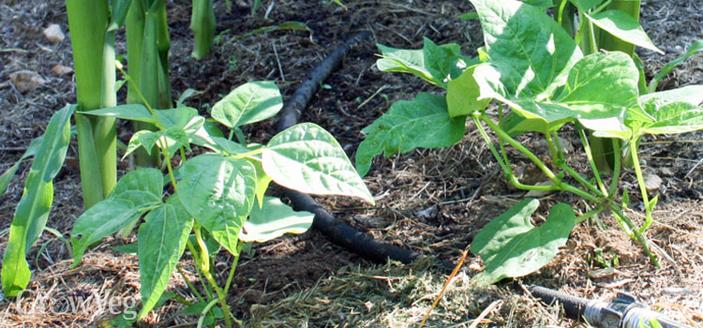
"Fast to mature and easy to grow, beans have several characteristics that make them good partners for other vegetables. They tolerate partial shade, and most beans have tiny hooked hairs on their leaves that entrap #aphids and other small insects. Beans can fix nitrogen taken from the air, so they make fewer demands on the soil's nutrient supply compared to other vegetables. Beans also deter weeds with their dense growth both above and below the ground.

How you use beans as companion plants depends on what you hope to accomplish. High-rise walls of pole beans can be used to provide shade for neighbors that suffer in strong summer sun, while low-growing bush beans can be used as weed-suppressing ground covers between rows of potatoes.

Whether they grow on vines or bushes, you will need good access to beans that are harvested as green or snap beans, which need to be picked every other day when the crop is ready. Dry beans, which are left on the plants until the pods dry to brown, can simply be left to grow, so they are a great option for Native American-inspired Three Sisters plantings comprised of corn, beans, and long-vined winter squash or pumpkins."

Learn more:
https://www.growveg.com/guides/companion-planting-with-beans/

#SolarPunkSunday #GrowingBeans #Gardening #ThreeSisters #GrowYourOwnFood #GYO #FixingNitrogen
Companion Planting with Beans

Fast to mature and easy to grow, beans have several characteristics that make them good partners for other vegetables. How you use beans as companion plants depends on what you hope to accomplish...

GrowVeg

#OrganicGardening Soil #Inoculants - Benefits Of Using A Legume Inoculant

By Heather Rhoades
May 18, 2021

"Peas, beans, and other legumes are well known to help fix nitrogen into the soil. This not only helps the peas and beans grow but can help other plants later grow in that same spot. What many people don't know is that a significant amount of nitrogen fixing by peas and beans happens only when a special legume inoculant has been added to the soil.

"Using pea and bean inoculants is simple. First, purchase your legume inoculant from your local nursery or a reputable online gardening website. Once you have your garden soil inoculant, plant your peas or beans (or both). When you plant the seed for the legume you are growing, place a good amount of the legume inoculants in the hole with the seed. You cannot over inoculate, so don't be afraid of adding too much to the hole. The real danger will be that you will add too little garden soil inoculant and the bacteria will not take. Once you have finished adding your pea and bean inoculants, cover both the seed and the inoculant with soil. That's all you have to do to add organic gardening soil inoculants to the soil to help you grow a better pea, bean, or other legume crop."

Read more:
https://www.gardeningknowhow.com/edible/vegetables/beans/soil-inoculants.htm

However, the inoculants for most legumes will not work for peanuts...

"Will soybean inoculant work in peanuts?

A. No. The product may be similar in name, but the species of bacteria needed for these two legume crops are different. Bacteria know what their primary host is and the signal chemicals sent out from the roots of the soybean are different than those sent out by peanut. The soil is full of many different types of bacteria, but those signal chemicals tell exactly which bacteria to respond. Putting a soybean inoculant on peanuts is simply wasting money.

"To get the benefits of nitrogen fixation and the resulting vigorous root growth, disease protection and, ultimately, a boost in yields, an inoculant specially produced for peanuts should be used."

https://peanutgrower.com/feature/inoculant-guide-q-a/
#Gardening #SolarPunkSunday #GrowingPeanuts #Peanuts #GrowingBeans #SoilInoculents #GrowYourOwn #FoodSecurity

Organic Gardening Soil Inoculants - Benefits Of Using A Legume Inoculant

Beans and other legumes are well known to add nitrogen to the soil. What many people don?t know is that a significant amount of nitrogen fixing happens only when inoculant has been added to the soil. Click here for more info.

Gardening Know How