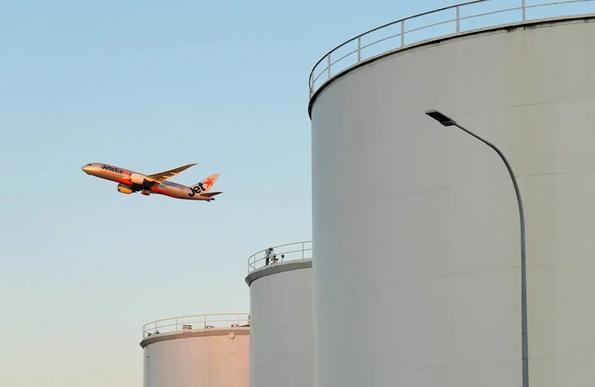
At last, here is some light shed on #Australia ‘s #FuelReserves which ought to stop a lot of dis-misinformation being spread about the place by msm and some politicians. Just yesterday, some #LNP Senator twit misled the Sentate apparently, by announcing that the #Morrison govt and #AndrewTaylor had indeed made provisions for a ‘strategic reserve’ of fuel and it didn’t cost them anything, he said in fact that they [the govt] were paid to keep it in Texas/Louisiana. How did he get away with this lie?

We’ve got figures from #Labor on stocks held by the fuel industry in Australia, but nary a word from the #LNP about how much fuel (or what fuels) Australia has/had in the US or how much it cost. I guess they are hoping those questions will be forgotten in a week or so.
#AusPol
Read more:
https://www.theguardian.com/australia-news/2026/mar/24/australia-fuel-reserve-what-and-where-is-it
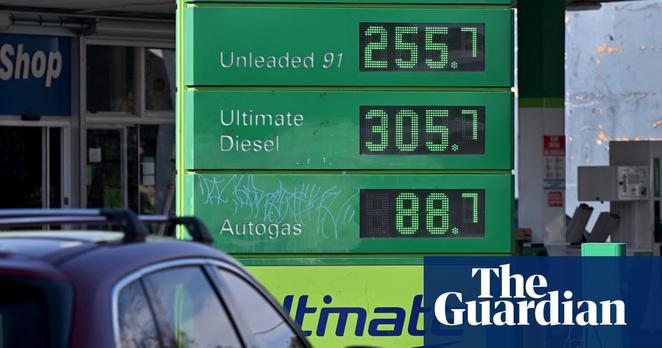

AI will tell you Australia’s fuel reserve is in the US. But is that even true?

Australia does not have a government-backed stockpile, experts say, and even if we did still store oil in the US, it would not be much

The Guardian

@crk5
Great read: piece by the Australian fuel trader - thx for sharing. It’s not at all the simple situation we might think (or like to think… or wish!). Worse for diesel but I’m reading pretty diabolical for jet fuel in one of the further pieces he recommended [https://fvr07.substack.com/p/the-500b-disruption-from-lng-to-jet
By Fabian Vera] including this quick knowledge upgrade on the laws of physics:

“Refineries are not simple on-off machines. Operating at very low throughput or shutting down abruptly under feedstock starvation creates serious risks: thermal stress and coking in distillation units, catalyst deactivation in hydrocrackers and hydrotreaters, corrosion and erosion from uneven operations, and mechanical failure in pumps, valves, and vacuum systems. Restarting complex units like fluid catalytic crackers, central to maximizing jet fuel yields, requires days to weeks of careful commissioning and costs millions. Prolonged idling can result in permanent derating of capacity, not merely temporary offline status.

“Unfortunately the law of physics steps in. Pumps and pipes are sized for a minimum hydraulic flow. And we are talking about hundreds of pumps and thousands of pipelines in a single refinery. So refineries can only likely run to minimum 60% of their nameplate capacity, otherwise it is 0%. For more discussion on this topic, I gladly recommend June Goh from Sparta Commodities.”

#jetFuel #diesel #fuelTrading #fuelPricing #straitOfHurmoz #fossilFuel #fuelReserves #oilRefining #slowToSave #refineryInfrastructure #infrastructure

The $500B Disruption: From LNG to Jet Fuel and the Cost of Hormuz

Valuation Scenarios, System Dynamics, and Why Jet Fuel Supply Chains Broke First

Fabian Vera