 World of Paleoanthropology
What Did Neanderthals Think About Before Bed?
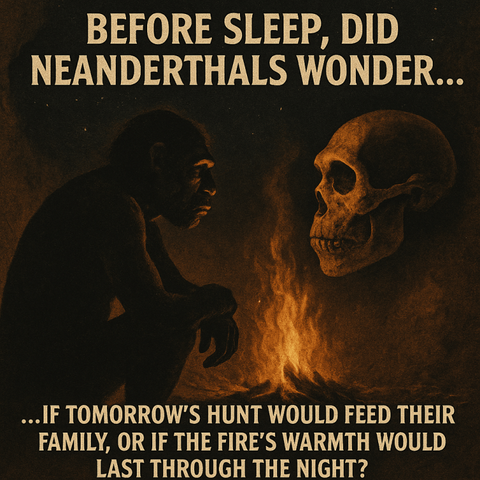
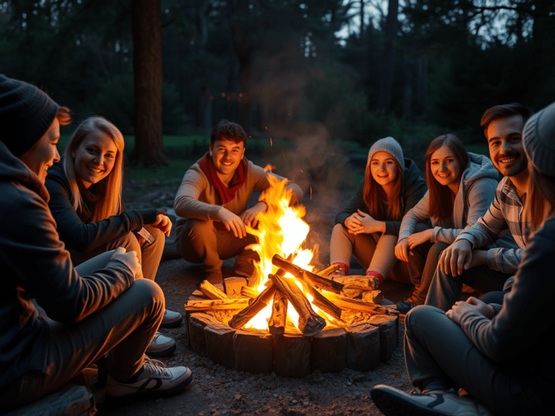
Imagine a world that looks nothing like the one we know today. It’s a place where surviving the day isn’t a metaphor—it’s a real struggle. When the sun goes down, it gets truly dark, much darker than anything we’re used to. As night falls, your priorities change. You’re not thinking about homework, crushes, or weekend plans. You’re thinking about how to stay alive. That’s what life was like for Neanderthals. When they gathered around the fire at night, their thoughts were all about survival, safety, and protecting their families.
Fire: More Than Just Heat
For Neanderthals, fire wasn’t just about staying warm or cooking food—it was life-saving. It kept dangerous animals away and gave the group a place to come together. Sitting by the fire, you might have watched the flames and wondered if they’d be enough to scare off predators like hyenas or cave bears.
Fire also made people feel safe. Its light pushed back the darkness of the cave and gave everyone a place to relax, even just for a little while. You might think about tomorrow’s hunt and what you’d need to do to make it successful. You might also start sharing stories—maybe about the hunt you just came back from or something strange you saw. The fire made people feel connected and calm.
Family: The Heart of It All
Your family would be sitting close to you by the fire. Their presence would bring comfort. In Neanderthal life, family wasn’t just important—it was everything. As you looked at them in the firelight, you’d probably be wondering if everyone had enough to eat, if the younger ones were safe, and how to protect them better tomorrow.
Maybe you’d plan how to find more food or make your shelter stronger. You’d notice if someone seemed worried or cold. Being aware of each other’s needs wasn’t just nice—it was necessary. Everyone had to work together, from the oldest to the youngest. That cooperation is what kept the group alive.
Staying Safe: A Full-Time Job
Neanderthals couldn’t take safety for granted. There were always threats—from animals, bad weather, or even other groups. As you started to get sleepy, your mind would probably still be alert, thinking about what dangers might be out there in the dark.
You’d go over what happened during the day: a risky moment during a hunt or a tough climb over rocky terrain. Your brain, shaped by years of experience and learning, would use these moments to figure out how to do better next time. Every mistake could be a big one, so learning quickly was important.
Dreams and the Night Mind
Even in tough times, dreams mattered. Neanderthals probably dreamed just like we do. Maybe dreams gave them a chance to imagine, solve problems, or revisit the day’s events. Some dreams may have felt important—like warnings or signs.
They might have even helped Neanderthals practice for real-life situations: how to hunt better, avoid danger, or deal with others. Dreams could have also planted the seeds of early stories—ways to share knowledge and experiences with others.
Looking Back on the Day
Lying near the fire, you might think about what went well that day. Did you help catch an animal for dinner? Did you finish a tool that works better than your old one? Remembering these successes would give you hope and confidence.
These thoughts helped people feel proud and reminded them they were valuable to their group. Feeling like you belonged and had a purpose was important—even back then.
Watching the World
Neanderthals paid close attention to nature. At night, by the fire, you’d think about the world around you—how animals moved, what the sky looked like, and how the weather was changing. Knowing these things helped your group plan and stay safe.
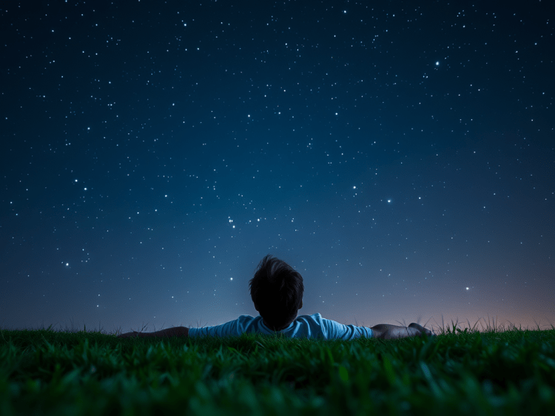
You might look up at the stars, wondering if they meant something. Maybe they helped you find your way, or just gave you something to think about. This curiosity about nature helped build early knowledge and respect for the land.
People Around the Fire
The fire wasn’t just for warmth—it was a social space. Neanderthals probably talked, shared advice, told stories, and taught each other new skills. These times helped build stronger friendships and group unity.
You might think about who in your group you trust the most or how to help someone who’s struggling. Making sure everyone worked well together was key to surviving. Your final thoughts of the night might be about how to keep your group strong.
What You Leave Behind
Even though Neanderthals didn’t think about legacy the way we do today, they still wanted to pass on what they knew. As you watched the younger ones by the fire, you’d hope they were learning what they needed to stay safe and strong.
You’d pass down your knowledge through stories, by showing them how to use tools, and by helping them understand the world. That was your way of making sure your life meant something.
Our Shared Story
All these thoughts and experiences show that Neanderthals were a lot more like us than people used to think. They had emotions, deep connections with others, and a strong sense of community. They thought about their day, worried about the future, and cared deeply for their families.
Even though our lives are very different now, we still stay up late thinking about our relationships, our goals, and what tomorrow will bring. That’s something we share with our ancient cousins. So next time you’re lying in bed, wondering about your day, remember: thousands of years ago, someone else sat by a fire, doing the exact same thing.
#NeanderthalNights #HumanOrigins #PaleoPost
References
- Finlayson, C. (2014). The Improbable Primate: How Water Shaped Human Evolution. Oxford University Press.
- Stringer, C., & Gamble, C. (1993). In Search of the Neanderthals: Solving the Puzzle of Human Origins. Thames and Hudson.
- Wrangham, R. (2009). Catching Fire: How Cooking Made Us Human. Basic Books.
- Zilhão, J., et al. (2010). Symbolic use of marine shells and mineral pigments by Iberian Neanderthals. Proceedings of the National Academy of Sciences, 107(3), 1023-1028.
#AncientHumans #Anthropology #Archaeology #DeepHistory #EvolutionEducation #FireAndFamily #HomininHistory #HumanEvolution #HumanOrigins #NeanderthalNights #Neanderthals #NightThoughts #Paleoanthropology #Paleolithic #PaleoPost #PrehistoricLife #ScienceCommunication #StorytellingThroughTime #SurvivalStories
 Vermont Citizen Scientist
 American Naturalist