 Italian News by RSS
Agi: Al processo Rubyter il pm in pensione Siciliano: "Voglio vedere la fine"
AGI - Nell'aula del processo d'appello Ruby ter si presenta tra il pubblico l'ex pm Tiziana Siciliano che ha svolto le indagini rappresentando l'accusa nel primo grado di giudizio concluso con l'assoluzione di tutti gli imputati tra i quali Silvio Berlusconi.
"Sono qui per vedere la parola fine - dice ai cronisti -. Voglio vederla per convincermi che questa storia ha avuto una durata irragionevole ma che finirà e non resterà sospesa sulle nostre teste. Archeologia giudiziaria? Ho iniziato le indagini con Luca Gaglio nel 2014. è la durata dei processi in Italia, è la prova dell'inefficienza della giustizia e non per colpa dei magistrati, per la loro scarsa volontà o incapacità". Nei giorni scorsi Siciliano ha annunciato che si candiderà alle prossime comunali di Milano in una lista civica.
Le difese di tre olgettine: "Riaprire il processo"
Le difese di tre ex 'olgettine', Claudia Iona Amarghioalei, Roberta Bonasia e Barbara Faggioli, hanno chiesto ai giudici della Corte d'Appello di rinnovare l'istruttoria dibattimentale del processo Ruby ter, cioè di chiamare in aula dei testimoni a sostegno dell'innocenza delle loro assistite accusate di corruzione in atti giudiziari per avere mentito, in cambio di denaro e altre utilità, nel processo a carico di Silvio Berlusconi nato dalle dichiarazioni di Ruby e finito con l'assoluzione del fondatore di Forza Italia. In aula c'è solo un'imputata, Miriam Loddo, il cui legale ha affermato: "Questo processo è un vilipendio di cadavere, dovrebbero gestirlo dei necrofori e non dei magistrati, sarebbe più serio".
Il sostituto procuratore generale Luca Poniz e il pm Luca Gaglio si sono opposti alla riapertura del dibattimento sostenendo l'inutilità dell'ascolto dei testimoni indicati perchè deporrebbero su "circostanze già ampiamente provate". La parola ora passa alle difese per le repliche ai rappresentanti dell'accusa. Gli imputati, per lo più donne che partecipavano alle serate a Villa San Martino, sono 22. Il compito 'affidato' dalla Cassazione alla Corte d'Appello, dopo l'annullamento delle assoluzioni del 2023, è quello di stabilire se si possa configurare il reato di corruzione in atti giudiziari. L'assoluzione in primo grado arrivò perchè secondo il Tribunale di Milano le testimoni avrebbero dovuto essere ascoltate non come testimoni ma come indagate, quindi con al fianco un difensore.
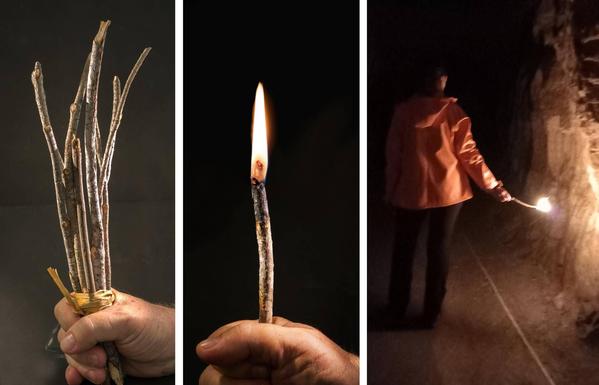
Small pine branches like torches, that’s how the Paleolithic men lit the caves.
(Adnkronos) - International study reconstructs lighting systems used 14,000 years ago in the Bàsura Cave of Toirano, Liguria.
 Marcial Tenreiro-Bermudez


 Marcial Tenreiro-Bermudez