Home ━ The European Conservative [Unofficial]
Austria Supports Hungary’s Euro Push While Poland Urges Caution

Austria Supports Hungary’s Euro Push While Poland Urges Caution
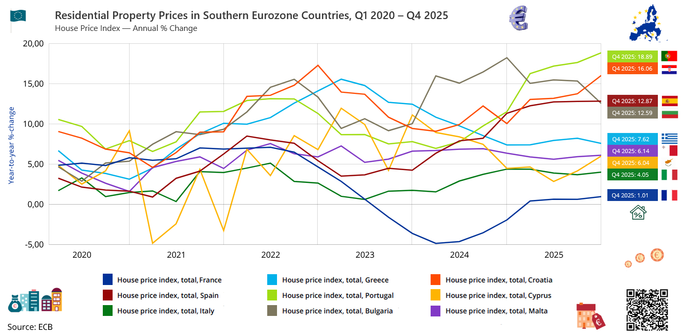
Residential Property Prices in Southern Eurozone Countries from Q1 2020 to Q4 2025
Southern Eurozone housing markets have generally performed well since the pandemic, driven by tourism recovery, remote work migration (especially to Portugal, Spain, Greece), low interest rates earlier in the period, and strong demand from international buyers.
#Eurozone #RealEstate #HousePrices #EU #Greece #property #HousingCrisis #residential #Meditteranean #EU
Trump’s unintentional gift: how the Fed’s erosion opens Latin America’s doors to the euro.
Tensions with the Federal Reserve has led various governments in the region to seek more predictable alternatives.
And the euro has emerged as the main option for dealing with institutional uncertainty in the United States.
Euro-denominated debt issuance climbed to 12% in the first quarter, its highest level in a decade.
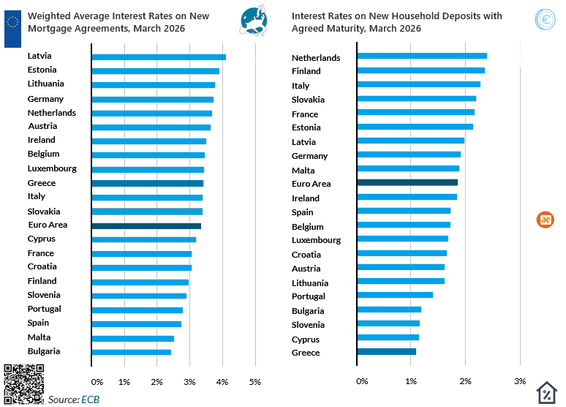
Euro Area: Weighted Average Interest Rates on New Mortgage Agreements and Interest Rates on New Household Deposits with Agreed Maturity in March 2026
These are new agreements (not existing stock of loans/deposits).
#Eurozone #Greece #RealEstate #Housing #mortgages #incomes #HousingCrisis #EuroArea #HousePrices #rents #property
Support for Euro Drops to Record Low in Poland

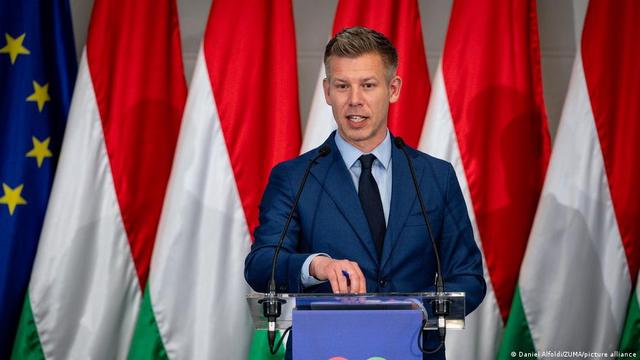
Hungary’s new government pushes for the euro by 2030.
Hungary’s new leadership wants the country to adopt the euro by the end of the decade while repairing strained ties with Brussels.
But with a weak economy and tight deadlines, experts warn the path will be steep.
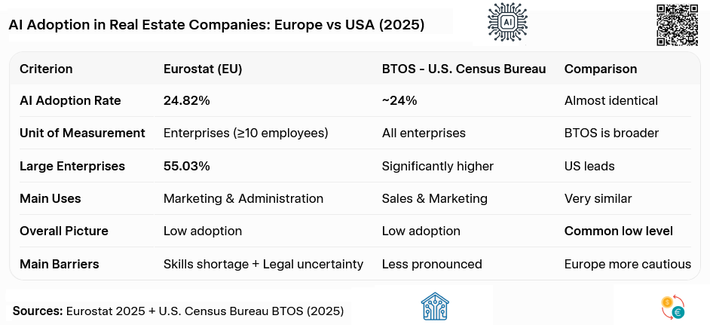
AI Adoption in Real Estate Companies: Europe vs USA, 2025
Although the US is generally ahead in AI, real estate companies show nearly identical adoption rates (~24%) on both sides of the Atlantic.
One of the slower sectors in AI adoption.
#Europe #AI #PropTech #RealEstate #housing #property #CRE #residential #HousePrices #rents #EU #Eurozone
Stagflation Is Coming, But the ECB Is in Denial

The ECB holds rates at 2% as inflation rises and eurozone growth slows.
The European Central Bank has held interest rates at 2% for a third straight meeting, even as inflation rises and growth slows across the eurozone.
“The war in the Middle East has led to a sharp increase in energy prices, pushing up inflation and weighing on economic sentiment”.
 Politico.eu (Unofficial RSS)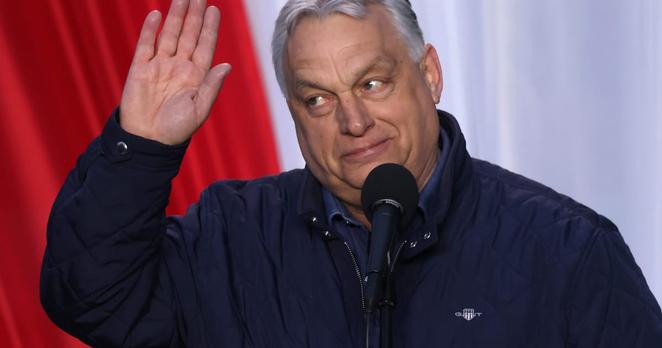
 Apostolos Klitsoyiannis
 MediaFaro Analysis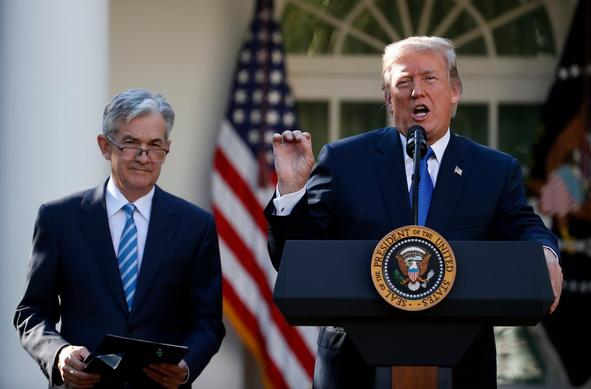
 MediaFaro News Digest