'In all, 124 pottery vessels were analyzed for ancient dietary lipid residues, and the functional specialization of several pottery types was determined.' https://phys.org/news/2024-05-pottery-residue-explores-culinary-traditions.html #foodshistory #ceramics #foodarchaeology #EarlyNeolithic #LateBronzeAge
Pottery residue research explores culinary traditions in Germany from the Early Neolithic to the Bronze Age

Pottery types and decoration have been used extensively by archaeologists to differentiate and describe cultures. The (past) contents and the actual function of the vessels have less often been the focus of research.
Phys.org
'In all, 124 pottery vessels were analyzed for ancient dietary lipid residues, and the functional specialization of several pottery types was determined.' https://phys.org/news/2024-05-pottery-residue-explores-culinary-traditions.html #foodshistory #ceramics #foodarchaeology #EarlyNeolithic #LateBronzeAge
Pottery residue research explores culinary traditions in Germany from the Early Neolithic to the Bronze Age

Pottery types and decoration have been used extensively by archaeologists to differentiate and describe cultures. The (past) contents and the actual function of the vessels have less often been the focus of research.

Phys.org

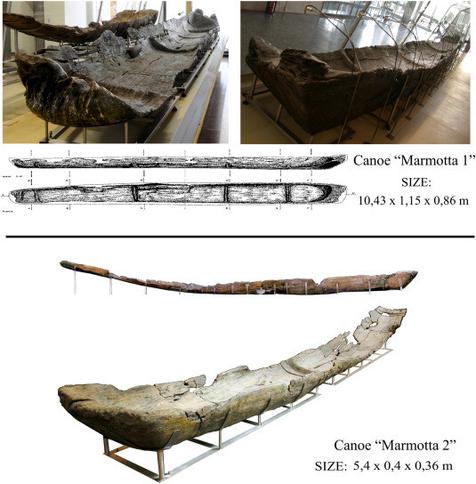
Yup. Mediterranean #migration has been happening for a long time now... 🛶🌊

New article about #EarlyNeolithic navigation in the Mediterranean (c. 5500 BC). The artifacts from La Marmotta in #Italy (see image included below) are exceptionally conserved and their analyses are fantastic testimony of prehistoric people capacity to travel by sea. "They help us understand how Neolithic societies crossed the Mediterranean and, in a few centuries, spread along the African and European coasts."

Alas, NOT #openaccess.

#archaeology #prehistory #archeodon

https://www.sciencedirect.com/science/article/pii/S0277379123001774