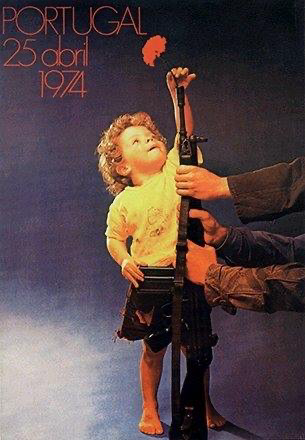
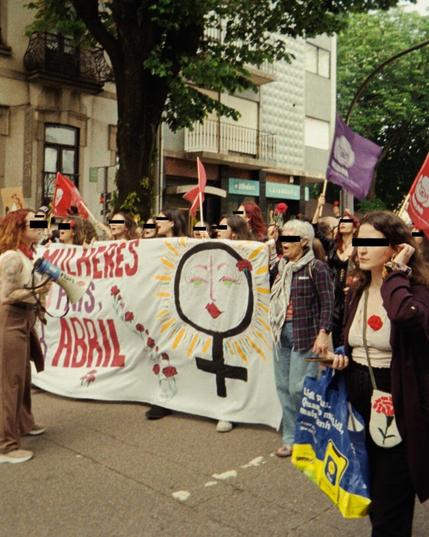
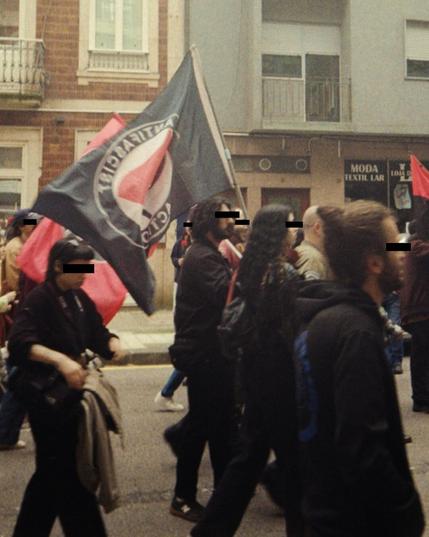
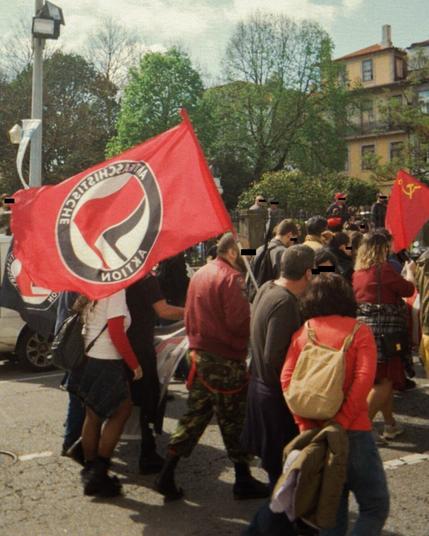
De norte a sul, as ruas encheram-se de vozes e cravos para assinalar os 52 anos da Revolução. Em Lisboa, movimentos sociais e associações ocuparam a Avenida da Liberdade, num rio de reivindicações até ao Rossio: a paz, o pão, habitação, saúde, educação! Viva o 25 de Abril! #25deAbrilSempre #25deAbril #DiaDaLiberdade

#BosDías

O povo é quem mais ordena #DíaDaLiberdade

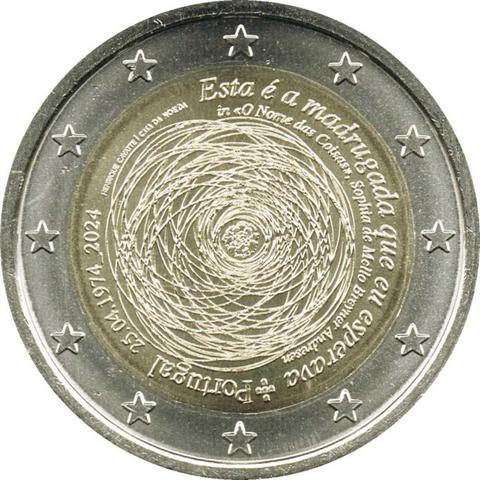
€uro MONETE RACCONTANO
La storia attraverso le euro monete
#25aprile 1974 Rivoluzione dei garofani in #Portogallo 🇵🇹
Pose fine al regime di António Salazar
https://eurocollezione.altervista.org/_PORTOGALLO_/_2_euro_2024_commemorativo_garofani.htm
#Portugal #DiaDaLiberdade #25deAbril #revoluçãodoscravos #2euro @portugal @portugalnaue
Carnation Revolution – part 8 of 8
🎞️ Kodak ColorPlus 200 📷 Kodak Ektar H35N
Development and digitization in Easyphoto - Porto
The Carnation Revolution (Portuguese: Revolução dos Cravos), also known as the 25 April (25 de Abril), was a military coup that overthrew the Estado Novo government on 25 April 1974 in Portugal. The coup produced major social, economic, territorial, demographic, and political changes. It resulted in the Portuguese transition to democracy and the end of the Portuguese Colonial War.
The Carnation Revolution got its name from the fact that almost no shots were fired, and from restaurant worker Celeste Caeiro who offered carnations to soldiers when the population took to the streets to celebrate the end of the dictatorship. Other demonstrators followed suit and placed carnations in the muzzles of guns and on soldiers' uniforms.
In Portugal, 25 April is a national holiday (Portuguese: Dia da Liberdade, Freedom Day) that commemorates the revolution.
This year (2025) the Portuguese government postponed the celebrations of this day but the people took to the streets anyway.
(Unfortunately I had to censor my own photographs to protect the people in them)
#photography #photo #analogphotography #filmphotography #filmisnotdead #35mm #art #portugal #fotografia #filmisalive #peopleinthestreet #people #peopleonfillm #25deabril #25deabrilsempre #fascismonuncamais #diadaliberdade #porto #25april #historia #history #opovoequemmaisordena #KodakColorPlus200 #KodakColorPlus

Carnation Revolution – part 7 of 8
🎞️ Kodak ColorPlus 200 📷 Kodak Ektar H35N
Development and digitization in Easyphoto - Porto
The Carnation Revolution (Portuguese: Revolução dos Cravos), also known as the 25 April (25 de Abril), was a military coup that overthrew the Estado Novo government on 25 April 1974 in Portugal. The coup produced major social, economic, territorial, demographic, and political changes. It resulted in the Portuguese transition to democracy and the end of the Portuguese Colonial War.
The Carnation Revolution got its name from the fact that almost no shots were fired, and from restaurant worker Celeste Caeiro who offered carnations to soldiers when the population took to the streets to celebrate the end of the dictatorship. Other demonstrators followed suit and placed carnations in the muzzles of guns and on soldiers' uniforms.
In Portugal, 25 April is a national holiday (Portuguese: Dia da Liberdade, Freedom Day) that commemorates the revolution.
This year (2025) the Portuguese government postponed the celebrations of this day but the people took to the streets anyway.
(Unfortunately I had to censor my own photographs to protect the people in them)
#photography #photo #analogphotography #filmphotography #filmisnotdead #35mm #art #portugal #fotografia #filmisalive #peopleinthestreet #people #peopleonfillm #25deabril #25deabrilsempre #fascismonuncamais #diadaliberdade #porto #25april #historia #history #opovoequemmaisordena #KodakColorPlus200 #KodakColorPlus
Carnation Revolution – part 6 of 8
🎞️ Kodak ColorPlus 200 📷 Kodak Ektar H35N
Development and digitization in Easyphoto - Porto
The Carnation Revolution (Portuguese: Revolução dos Cravos), also known as the 25 April (25 de Abril), was a military coup that overthrew the Estado Novo government on 25 April 1974 in Portugal. The coup produced major social, economic, territorial, demographic, and political changes. It resulted in the Portuguese transition to democracy and the end of the Portuguese Colonial War.
The Carnation Revolution got its name from the fact that almost no shots were fired, and from restaurant worker Celeste Caeiro who offered carnations to soldiers when the population took to the streets to celebrate the end of the dictatorship. Other demonstrators followed suit and placed carnations in the muzzles of guns and on soldiers' uniforms.
In Portugal, 25 April is a national holiday (Portuguese: Dia da Liberdade, Freedom Day) that commemorates the revolution.
This year (2025) the Portuguese government postponed the celebrations of this day but the people took to the streets anyway.
(Unfortunately I had to censor my own photographs to protect the people in them)
#photography #photo #analogphotography #filmphotography #filmisnotdead #35mm #art #portugal #fotografia #filmisalive #peopleinthestreet #people #peopleonfillm #25deabril #25deabrilsempre #fascismonuncamais #diadaliberdade #porto #25april #historia #history #opovoequemmaisordena #KodakColorPlus200 #KodakColorPlus
Carnation Revolution – part 5 of 8
🎞️ Kodak ColorPlus 200 📷 Kodak Ektar H35N
Development and digitization in Easyphoto - Porto
The Carnation Revolution (Portuguese: Revolução dos Cravos), also known as the 25 April (25 de Abril), was a military coup that overthrew the Estado Novo government on 25 April 1974 in Portugal. The coup produced major social, economic, territorial, demographic, and political changes. It resulted in the Portuguese transition to democracy and the end of the Portuguese Colonial War.
The Carnation Revolution got its name from the fact that almost no shots were fired, and from restaurant worker Celeste Caeiro who offered carnations to soldiers when the population took to the streets to celebrate the end of the dictatorship. Other demonstrators followed suit and placed carnations in the muzzles of guns and on soldiers' uniforms.
In Portugal, 25 April is a national holiday (Portuguese: Dia da Liberdade, Freedom Day) that commemorates the revolution.
This year (2025) the Portuguese government postponed the celebrations of this day but the people took to the streets anyway.
(Unfortunately I had to censor my own photographs to protect the people in them)
#photography #photo #analogphotography #filmphotography #filmisnotdead #35mm #art #portugal #fotografia #filmisalive #peopleinthestreet #people #peopleonfillm #25deabril #25deabrilsempre #fascismonuncamais #diadaliberdade #porto #25april #historia #history #opovoequemmaisordena #KodakColorPlus200 #KodakColorPlus
Carnation Revolution – part 4 of 8
🎞️ Kodak ColorPlus 200 📷 Kodak Ektar H35N
Development and digitization in Easyphoto - Porto
The Carnation Revolution (Portuguese: Revolução dos Cravos), also known as the 25 April (25 de Abril), was a military coup that overthrew the Estado Novo government on 25 April 1974 in Portugal. The coup produced major social, economic, territorial, demographic, and political changes. It resulted in the Portuguese transition to democracy and the end of the Portuguese Colonial War.
The Carnation Revolution got its name from the fact that almost no shots were fired, and from restaurant worker Celeste Caeiro who offered carnations to soldiers when the population took to the streets to celebrate the end of the dictatorship. Other demonstrators followed suit and placed carnations in the muzzles of guns and on soldiers' uniforms.
In Portugal, 25 April is a national holiday (Portuguese: Dia da Liberdade, Freedom Day) that commemorates the revolution.
This year (2025) the Portuguese government postponed the celebrations of this day but the people took to the streets anyway.
(Unfortunately I had to censor my own photographs to protect the people in them)
#photography #photo #analogphotography #filmphotography #filmisnotdead #35mm #art #portugal #fotografia #filmisalive #peopleinthestreet #people #peopleonfillm #25deabril #25deabrilsempre #fascismonuncamais #diadaliberdade #porto #25april #historia #history #opovoequemmaisordena #KodakColorPlus200 #KodakColorPlus
Carnation Revolution – part 3 of 8
🎞️ Kodak ColorPlus 200 📷 Kodak Ektar H35N
Development and digitization in Easyphoto - Porto
The Carnation Revolution (Portuguese: Revolução dos Cravos), also known as the 25 April (25 de Abril), was a military coup that overthrew the Estado Novo government on 25 April 1974 in Portugal. The coup produced major social, economic, territorial, demographic, and political changes. It resulted in the Portuguese transition to democracy and the end of the Portuguese Colonial War.
The Carnation Revolution got its name from the fact that almost no shots were fired, and from restaurant worker Celeste Caeiro who offered carnations to soldiers when the population took to the streets to celebrate the end of the dictatorship. Other demonstrators followed suit and placed carnations in the muzzles of guns and on soldiers' uniforms.
In Portugal, 25 April is a national holiday (Portuguese: Dia da Liberdade, Freedom Day) that commemorates the revolution.
This year (2025) the Portuguese government postponed the celebrations of this day but the people took to the streets anyway.
(Unfortunately I had to censor my own photographs to protect the people in them)
#photography #photo #analogphotography #filmphotography #filmisnotdead #35mm #art #portugal #fotografia #filmisalive #peopleinthestreet #people #peopleonfillm #25deabril #25deabrilsempre #fascismonuncamais #diadaliberdade #porto #25april #historia #history #opovoequemmaisordena #KodakColorPlus200 #kodakcolorplus
Carnation Revolution – part 2 of 8
🎞️ Lucky SHD 400 📷 Kodak Ektar H35N
Development and digitization in Easyphoto - Porto
The Carnation Revolution (Portuguese: Revolução dos Cravos), also known as the 25 April (25 de Abril), was a military coup that overthrew the Estado Novo government on 25 April 1974 in Portugal. The coup produced major social, economic, territorial, demographic, and political changes. It resulted in the Portuguese transition to democracy and the end of the Portuguese Colonial War.
The Carnation Revolution got its name from the fact that almost no shots were fired, and from restaurant worker Celeste Caeiro who offered carnations to soldiers when the population took to the streets to celebrate the end of the dictatorship. Other demonstrators followed suit and placed carnations in the muzzles of guns and on soldiers' uniforms.
In Portugal, 25 April is a national holiday (Portuguese: Dia da Liberdade, Freedom Day) that commemorates the revolution.
This year (2025) the Portuguese government postponed the celebrations of this day but the people took to the streets anyway.
(Unfortunately I had to censor my own pictures to protect the people in them)
#photography #photo #analogphotography #filmphotography #filmisnotdead #35mm #art #portugal #fotografia #filmisalive #peopleinthestreet #people #peopleonfillm #25deabril #25deabrilsempre #fascismonuncamais #diadaliberdade #porto #25april #historia #history #opovoequemmaisordena #blackandwhite #bnw #pretoebranco #bnwphotography #luckyshd400