 The Eclectic Light Company [Unofficial]
Painting Spring blossom 1
https://fed.brid.gy/r/https://eclecticlight.co/2026/04/18/painting-spring-blossom-1/

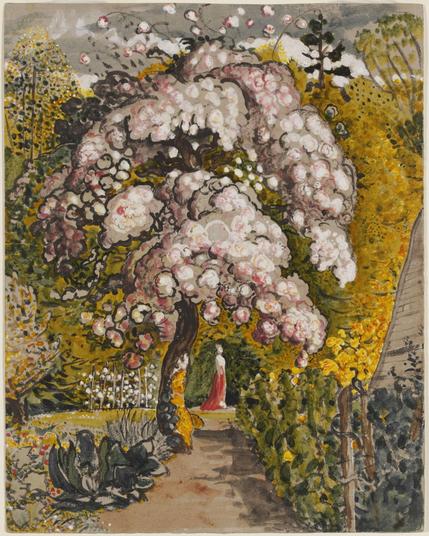
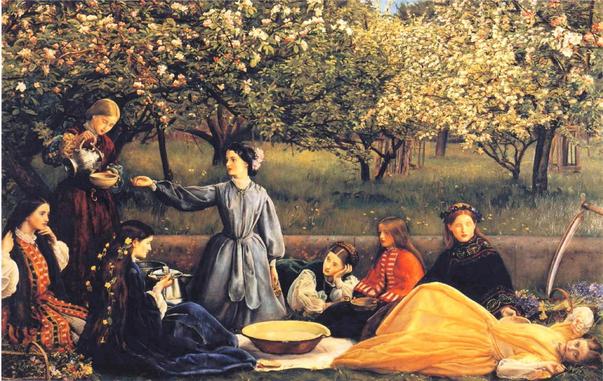
Painting Spring blossom 1
https://fed.brid.gy/r/https://eclecticlight.co/2026/04/18/painting-spring-blossom-1/
I thought I found a Habsburg way way back in our family tree (I know, so what? But I'm a genealogy nerd) (through my great-great-great-grandmother, Mary Ellen Rager) but the tree breaks per the official records at the father of Melchior Greiner, a glassmaker, born ca. 1380.
FamilySearch claims Melchior's grandfather was Count Eberhard von Württemberg II, but the son listed (Melchior's father, supposedly Eberhard Greiner) is not in any official records.
Eberhard II was NICKNAMED "der Greiner" and one official record does say he had an illegitimate child, but I don't know how they would have proved the link to Melchior.
What's interesting is that the line of Greiners DOES stay in Baden-Württemberg for quite a while… so it matches up geographically…
+++
Going directly back, even the Constable line breaks in the 1400s before we get to the cool names like D'Aubigny, de Mowbray, de Braose, and supposedly even Llewelyn Fawr ap Iorwerth, via the maternal line via Agnes Gascoigne (who married Sir Robert Constable). We lose the official line at her purported grandson, John, maybe even at her son (sources disagree) Richard. It doesn't help that there's a fuckton of Roberts and Marmadukes (yes, Marmaduke Constable, we just know know which one(s)).
++++
Well, by golly, I didn't click back far enough, because there's ol' William the Conqueror himself in my family tree. Henry I even shows up a few different places, through Edith/Matilda to Joan, Lady of Wales, to the de Braose line, and through Empress Matilda to William Longespée (illegitimate son of Henry II and Ida de Tosny), his daughter marrying into the de Mowbray line, AND supposedly Robert FitzRoy, 1st Earl of Gloucester's (illegitimate son of Henry I) grand-daughter married a de Clare, and a few more generations down that merged with the de Mowbray line.
Now I still don't BELIEVE any of it, because it all hinges on Agnes Gascoigne, and I just can't track down any record of her son Richard (Constable) having a son named John, and I can't find an explanation for how we got from Flamborough to Horsham (where we KNOW we immigrated from to Pennsylvania in 1836). And as far as direct descendancy goes, all it takes is one bastard in the bunch to break that maternal line.
I was honestly most excited at the idea we might be from Yorkshire at all, because, you know, that's the Raven King's country. (Jonathan Strange & Mr. Norrell fangirl, here)
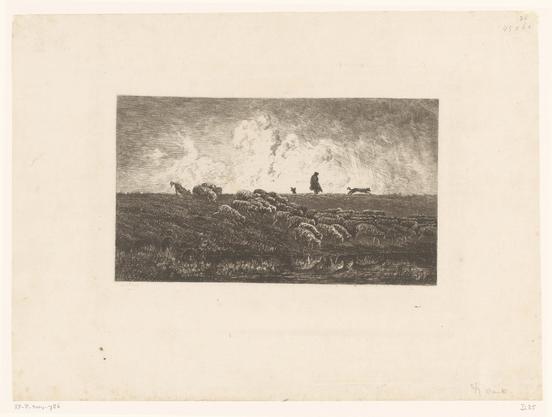
The Oak Tree and the Reed masterfully captures nature’s fury and the lesson of resilience through turbulent brushstrokes. Daubigny’s blend of deep blues and grays immerses viewers in the storm’s chaotic beauty. What emotions does this scene evoke in you?
#ClevelandArt #Daubigny #NatureArt
https://clevelandart.org/art/2008.357
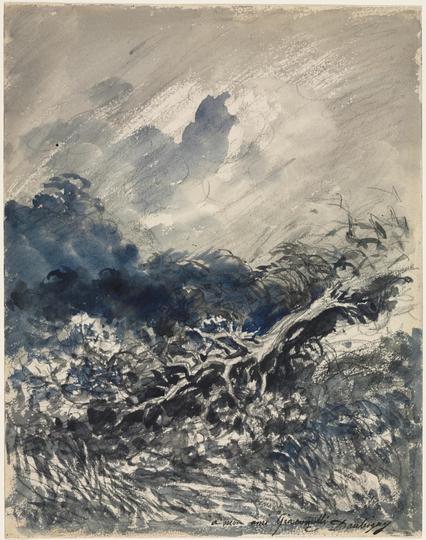

The Oak Tree and the Reed illustrates the fable of the same name by the 17th-century French writer Jean de La Fontaine (1621-1695). Having disdainfully pitied the reed for bending before the wind, the oak is shown torn from the earth by a terrific north wind. Focusing upon the uprooted oak, Daubigny created a violently expressive treatment of the subject. The bold dappling of lights and darks below is set off by the intense blue of the clouds encroaching upon the land from the left. The diagonal streaks of thin-ly applied gray wash above suggest driving rain.

The Oak Tree and the Reed offers a dramatic interpretation of resilience vs. rigidity, capturing nature's fury in Daubigny's fluid brushwork and haunting palette. Which element speaks to you more: the powerful oak or the adaptable reed?
#ClevelandArt #Daubigny #NatureArt
https://clevelandart.org/art/2008.357
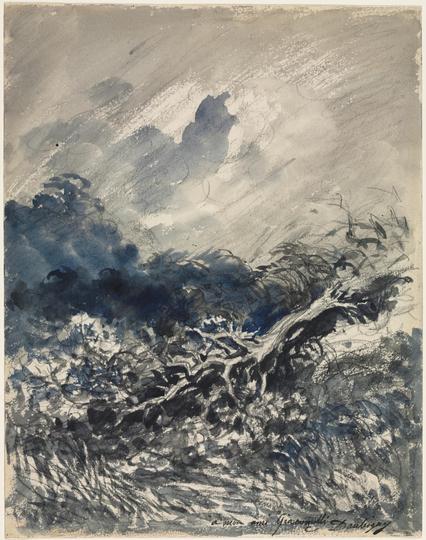
The Oak Tree and the Reed illustrates the fable of the same name by the 17th-century French writer Jean de La Fontaine (1621-1695). Having disdainfully pitied the reed for bending before the wind, the oak is shown torn from the earth by a terrific north wind. Focusing upon the uprooted oak, Daubigny created a violently expressive treatment of the subject. The bold dappling of lights and darks below is set off by the intense blue of the clouds encroaching upon the land from the left. The diagonal streaks of thin-ly applied gray wash above suggest driving rain.
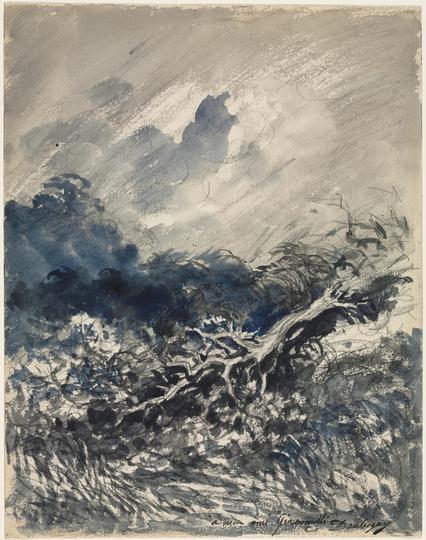
The Oak Tree and the Reed illustrates the fable of the same name by the 17th-century French writer Jean de La Fontaine (1621-1695). Having disdainfully pitied the reed for bending before the wind, the oak is shown torn from the earth by a terrific north wind. Focusing upon the uprooted oak, Daubigny created a violently expressive treatment of the subject. The bold dappling of lights and darks below is set off by the intense blue of the clouds encroaching upon the land from the left. The diagonal streaks of thin-ly applied gray wash above suggest driving rain.
 harriehq
 Hidden Gems
 Plastyczny Online