 AvDelphi
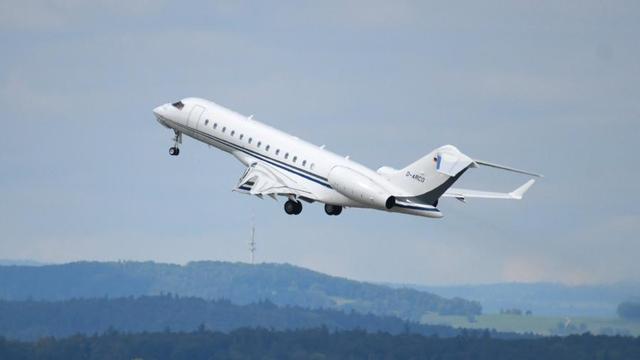
ACM Air Charter Bombardier GL6000 MSN 9811
#AvDelphi #DARCO #Bombardier #GL6000 #ZurichAirport #ACMAirCharter
https://www.avdelphi.com/i/230604
#AvDelphi #DARCO #Bombardier #GL6000 #ZurichAirport #ACMAirCharter
https://www.avdelphi.com/i/230604

Abstract. Aquifers harbor unique and highly adapted species, contributing to critical ecological processes and services. Understanding the key factors driving invertebrate assemblages in aquifers is a challenging task that, traditionally, has primarily been achieved in karst. This study aimed to uncover the factors influencing the composition and functionality of groundwater crustaceans (dimensional range from 0.036 to 1 mm) in a volcanic aquifer in central Italy. The aquifer consisted of three adjacent aquifer units (AUs) showing different geochemistry (i.e., sulfate-depleted, K-rich and, alkaline earth). We adopted a multidisciplinary approach, integrating hydrogeology, geology, microbiology, and ecology to determine whether the environmental differences that we highlighted in the three AUs were reflected in the biological assemblages. We unveiled significant differences in both the taxonomic and functional composition of groundwater crustaceans across the three AUs, and these patterns remained consistent throughout the survey period. Notably, the sulfate-depleted AU lacked groundwater-obligate species, burrowers, and stenothermal and moderately stenothermal species. The K-rich and alkaline-earth AUs had different species; however, these species exhibited similar functions related to locomotion, diet, and feeding habit. Stenothermal and moderately stenothermal crustacean species were only found in the K-rich AU, which lacked epigean species. Our findings suggest that major ions (SO42-, Ca2+, NO3-, and K+), trace elements (B, Al, V, Se, and Ba), microbial factors, and carbohydrate catabolic profiles might be the main descriptors of groundwater-obligate species abundances in the volcanic aquifer. Our findings revealed a correlation between the abundances of groundwater-obligate crustaceans and low-nucleic-acid (LNA) cells, suggesting a potential selective feeding behavior of groundwater invertebrate species on the aquatic microbial community. Our research emphasizes the need to consider diverse hydrogeological contexts within individual aquifers. Potential avenues for future research should further consider food web dynamics in groundwater communities and their impact on carbon and nutrient cycling.

Caves, with their unique geologic and biological features, have inspired human imagination throughout history. From photography to movies, through comics, painting, and poetry, subterranean ecosystems feature prominently in various forms of artistic expression, often incorporating scientific ideas or concepts. Integrating art with science offers a powerful way to convey the uniqueness and importance of the organisms that inhabit subterranean ecosystems, emphasizing their importance as providers of key ecological and cultural services. This, in turn, would help promote their conservation. We discuss realized and unrealized connections between subterranean biologists and artists, aiming to achieve broader protection for subterranean ecosystems. We showcase the different art forms that depict subterranean environments, explain how each aligns with conservation science, and highlight the mutual benefits artists and researchers in subterranean biology can derive from collaboration. In doing so, we pose two important questions: How can we effectively bridge the cultural divide between subterranean scientists and artists? And how can we assess the effectiveness of art in enhancing science communication about subterranean ecosystems and their conservation? By addressing these questions, we envision a future where art and science intersect to safeguard the rich and diverse subterranean biological and cultural heritage.

This study explores the metabolic response and carbon budget of two cyclopoid copepod species, Diacyclops belgicus Kiefer, 1936 (a stygobitic, groundwater-adapted species) and Diacyclops crassicaudis crassicaudis (Sars G.O., 1863) (a stygophilic, predominantly surface-associated species). We measured oxygen consumption rates (OCRs), carbon requirements (CRs), ingestion (I) rates, and egestion (E) rates at 14 °C and 17 °C, representing current and predicted future conditions in the collection habitats of the two species. Diacyclops belgicus displayed OCRs (28.15 and 18.32 µL O2/mg DW × h at 14 and 17 °C, respectively) and carbon budget (CR: 0.14 and 0.10 µg C/mg × d at 14 and 17 °C) lower than those of D. crassicaudis crassicaudis (OCR: 55.67 and 47.93 µL O2/mg DW × h at 14 and 17 °C; CR: 0.3 and 0.27 µg C/mg × d at 14 and 17 °C). However, D. belgicus exhibited metabolic rates and carbon requirements comparable to those of other epigean species, challenging the assumption that low metabolic rates are universal among stygobitic species. Temperature variations did not significantly affect the metabolic responses and carbon requirements of the two species, suggesting that they may cope with moderate temperature increases.
𝗗𝗲 𝗱𝗼𝗼𝗱 𝘃𝗮𝗻 𝗵𝘂𝗹𝗽𝗵𝗼𝗻𝗱 𝗗𝗮𝗿𝗰𝗼 𝘇𝗲𝘁𝘁𝗲 𝗵𝗼𝗻𝗱𝗲𝗻- 𝗲𝗻 𝘃𝘂𝘂𝗿𝘄𝗲𝗿𝗸𝗹𝗶𝗲𝗳𝗵𝗲𝗯𝗯𝗲𝗿𝘀 𝘄𝗲𝗲𝗿 𝘁𝗲𝗴𝗲𝗻𝗼𝘃𝗲𝗿 𝗲𝗹𝗸𝗮𝗮𝗿
De 9-jarige hulphond Darco van de slechtziende Brenda overleed op 4 januari nadat hij was geschrokken van vuurwerk. Dit bericht maakte veel los bij hondenbezitters, maar ook bij voor- en tegenstanders van een vuurwerkverbod, ziet RTL...

De 9-jarige hulphond Darco van de slechtziende Brenda overleed op 4 januari nadat hij was geschrokken van vuurwerk. Dit bericht maakte veel los bij hondenbezitters, maar ook bij voor- en tegenstanders van een vuurwerkverbod, ziet RTL Nieuws-redacteur Lisanne van Sadelhoff.
Our international collaborative team in the #Biodiversa funded project #DarCo has published a perspective paper in npj biodiversity on how to preserve subterranean ecosystems: https://doi.org/10.1038/s44185-023-00035-1
Despite uncertainties, our paper emphasizes the timely and critical assessment of general criteria for #subterranean #biodiversity protection, proposing solutions to enhance the coverage of subterranean ecosystems within European protected areas.
 Biodiversa+
 RTL Nieuws
 Rᴏᴍᴀɴ Aʟᴛʜᴇʀ