Ace of Spades – Cartomancy Card of the Day

Monday, 2nd March Are you ready to see the truth clearly? The Ace of Spades in cartomancy is not a negative card. It is a powerful beginning — but not a soft one. It represents mental clarity, karm…

Himani Goyal Soul Studio
Dragon Divination

Welcome to Dragon Divination! I will be doing Rune, Tarot Deck, Oracle Deck, Lenormand Deck reviews, flip throughs along with collective and astrological readings plus general divination and Magickal stuff! Live a Magickal Life! Be the Magick!

YouTube
Dragon Divination

Welcome to Dragon Divination! I will be doing Rune, Tarot Deck, Oracle Deck, Lenormand Deck reviews, flip throughs along with collective and astrological readings plus general divination and Magickal stuff! Live a Magickal Life! Be the Magick!

YouTube

From Prayer to Persecution

The Path of Love

Thru the Bible in a Year
Scripture Reading: John 17–18

As we continue our journey Thru the Bible in a Year, today’s reading moves us from one of the holiest moments in all of Scripture—the prayer of Jesus in John 17—to one of the darkest hours in human history, the betrayal and trials that precede the crucifixion in John 18. These two chapters, though contrasting in tone, reveal one continuous thread: the unbroken love and obedience of Christ.

John 17 is a sanctuary of words—holy ground where the Son speaks directly to the Father on behalf of Himself, His disciples, and all who would come to believe. John 18, by contrast, is the storm that follows prayer’s calm. Yet even as the shadows lengthen, Christ remains steadfast, moving forward with peace and divine resolve. Between these chapters lies the hinge of redemption: love expressed in intercession becomes love embodied in suffering.


The Prayer of Jesus (John 17): The Heart of the Savior

John 17 gives us the longest recorded prayer of Christ, a window into His deepest desires and divine mission. In its three movements—prayer for Himself, for His disciples, and for future believers—we witness the tenderness and majesty of the Son of God in communion with His Father.

First, Jesus prays for Himself (vv. 1–5).
He asks that the Father glorify Him so that He may glorify the Father. His focus is not self-exaltation, but the completion of His redemptive work. “I have brought You glory on earth by finishing the work You gave Me to do” (v. 4). This is the prayer of One who knows His mission is nearly complete. He speaks of power over all flesh—authority given to Him to bestow eternal life. His prayer reflects purpose fulfilled, obedience perfected, and divine glory revealed through sacrifice.

Second, Jesus prays for His disciples (vv. 6–19).
He intercedes for those who walked with Him—the men who would carry the Gospel into a hostile world. He prays for their schooling (“I have revealed You to those whom You gave Me”), their safety (“protect them by the power of Your name”), their sanctification (“sanctify them by the truth”), and their service (“As You sent Me into the world, I have sent them”). These four movements form the pattern of Christian discipleship: to know Christ, to be guarded in faith, to grow in holiness, and to go in obedience.

Finally, Jesus prays for all future believers (vv. 20–26).
Here, the prayer widens to include you and me. His requests for unification, vindication, and association form the foundation of Christian community. He prays “that they may all be one,” so that the world might know the authenticity of His mission. He desires that we would not only believe in Him but be with Him, sharing in His eternal fellowship. This final petition is not distant theology—it is Jesus longing for us to dwell in His presence forever.

John 17 reveals the kind of love that prays even as suffering approaches. It shows us that intercession is not a pause before action—it is the action of love itself.


The Persecution of Jesus (John 18): The Price of Obedience

As the prayer ends, the night descends. John 18 records the betrayal, arrest, and trials of Jesus. The tone shifts from intimacy to intensity, yet the same divine purpose flows through both chapters.

The Arrest in the Garden
In Gethsemane, Judas arrives with soldiers. The betrayer’s kiss stands in contrast to the calm authority of Christ. When Jesus identifies Himself—“I am He”—the entire arresting party falls backward (v. 6). That moment reminds us that even in surrender, Jesus possesses sovereign power. Peter’s sword flashes, cutting off the ear of the high priest’s servant, but Jesus rebukes him: “Shall I not drink the cup the Father has given Me?” (v. 11). The lesson is clear—God’s plan cannot be advanced by human force but only by divine submission.

The Arraignment Before the Priests
Dragged before Annas and Caiaphas, Jesus faces interrogation. He speaks the truth with quiet dignity. When struck by an officer for answering honestly, He does not retaliate. Meanwhile, Peter stands outside denying that he even knows Him. The contrast between the steadfastness of Christ and the faltering fear of Peter reminds us of grace’s patience. Jesus endures humiliation without defense, knowing that love’s silence will soon speak louder than words from the cross.

The Action Before Pilate
The religious leaders, unwilling to defile themselves by entering Pilate’s hall, maintain ritual purity even as they plot murder. Their hypocrisy is stark—concerned with appearances, indifferent to justice. Pilate, caught between conscience and convenience, tries to hand the case back to the Jews, but Christ stands before him unshaken. Three times Pilate declares, “I find no fault in Him,” yet still condemns Him to satisfy the crowd. Here stands the innocent Son of God, condemned by the guilty that the guilty might be declared innocent.

In Pilate’s court, truth stands face to face with power, and power trembles. The people cry for Barabbas, choosing rebellion over redemption. The irony is heartbreaking—but it is also the turning point of grace. For in their rejection, salvation’s door is opened wide.


From the Upper Room to the Cross

Taken together, John 17 and 18 form one unbroken story. The prayer of surrender becomes the pathway to sacrifice. Jesus, who prayed for the unity of His followers, now walks alone so that we might never be forsaken. The same lips that prayed, “Glorify Your Son,” now speak the words, “I am He.” The same heart that interceded for His disciples now endures betrayal for their sake.

There is an insight here for every disciple: the strength to stand in trial is born in the place of prayer. Jesus faced the cross not with surprise, but with serenity, because He had already yielded His will to the Father.

When we read these chapters devotionally, they remind us that prayer and persecution are not opposites—they are partners in the life of faith. Prayer roots us in the Father’s purpose; persecution refines us in the same. What begins in communion ends in commission.


Walking This Path Today

As we journey Thru the Bible in a Year, these passages challenge us to see our own discipleship in the mirror of Christ’s obedience. His prayer for unity calls us to reconcile. His intercession for holiness calls us to purity. His endurance in suffering calls us to faithfulness.

There will always be a Gethsemane before every resurrection and a trial before every triumph. Yet through it all, Jesus remains our model. He shows us that surrender is not weakness—it is worship. He teaches us that the truest strength is born in stillness before God.

As we carry this reading into our day, may we remember that every time we bow in prayer, we stand in the same posture as our Lord. And every time we bear our cross with grace, we continue the story of redemption that began that night.


May the words of John 17 remind you that Christ prays still for those who are His.
May the witness of John 18 assure you that no betrayal, no injustice, no darkness can undo the work He finished.
And may your journey through the Word strengthen your faith, deepen your love, and anchor your soul in the One who walked this path before you.

“Your Word is a lamp to my feet and a light to my path” (Psalm 119:105).

For further reflection, visit:
Bible.org – “The Prayer and Passion of Christ”

FEEL FREE TO COMMENT SHARE SUBSCRIBE


#bibleStudy #dailyReading #gethsemane #john1718 #persecutionOfChrist #prayerOfJesus #thruTheBibleInAYear

From Prayer to Persecution

The Path of Love

Thru the Bible in a Year
Scripture Reading: John 17–18

As we continue our journey Thru the Bible in a Year, today’s reading moves us from one of the holiest moments in all of Scripture—the prayer of Jesus in John 17—to one of the darkest hours in human history, the betrayal and trials that precede the crucifixion in John 18. These two chapters, though contrasting in tone, reveal one continuous thread: the unbroken love and obedience of Christ.

John 17 is a sanctuary of words—holy ground where the Son speaks directly to the Father on behalf of Himself, His disciples, and all who would come to believe. John 18, by contrast, is the storm that follows prayer’s calm. Yet even as the shadows lengthen, Christ remains steadfast, moving forward with peace and divine resolve. Between these chapters lies the hinge of redemption: love expressed in intercession becomes love embodied in suffering.


The Prayer of Jesus (John 17): The Heart of the Savior

John 17 gives us the longest recorded prayer of Christ, a window into His deepest desires and divine mission. In its three movements—prayer for Himself, for His disciples, and for future believers—we witness the tenderness and majesty of the Son of God in communion with His Father.

First, Jesus prays for Himself (vv. 1–5).
He asks that the Father glorify Him so that He may glorify the Father. His focus is not self-exaltation, but the completion of His redemptive work. “I have brought You glory on earth by finishing the work You gave Me to do” (v. 4). This is the prayer of One who knows His mission is nearly complete. He speaks of power over all flesh—authority given to Him to bestow eternal life. His prayer reflects purpose fulfilled, obedience perfected, and divine glory revealed through sacrifice.

Second, Jesus prays for His disciples (vv. 6–19).
He intercedes for those who walked with Him—the men who would carry the Gospel into a hostile world. He prays for their schooling (“I have revealed You to those whom You gave Me”), their safety (“protect them by the power of Your name”), their sanctification (“sanctify them by the truth”), and their service (“As You sent Me into the world, I have sent them”). These four movements form the pattern of Christian discipleship: to know Christ, to be guarded in faith, to grow in holiness, and to go in obedience.

Finally, Jesus prays for all future believers (vv. 20–26).
Here, the prayer widens to include you and me. His requests for unification, vindication, and association form the foundation of Christian community. He prays “that they may all be one,” so that the world might know the authenticity of His mission. He desires that we would not only believe in Him but be with Him, sharing in His eternal fellowship. This final petition is not distant theology—it is Jesus longing for us to dwell in His presence forever.

John 17 reveals the kind of love that prays even as suffering approaches. It shows us that intercession is not a pause before action—it is the action of love itself.


The Persecution of Jesus (John 18): The Price of Obedience

As the prayer ends, the night descends. John 18 records the betrayal, arrest, and trials of Jesus. The tone shifts from intimacy to intensity, yet the same divine purpose flows through both chapters.

The Arrest in the Garden
In Gethsemane, Judas arrives with soldiers. The betrayer’s kiss stands in contrast to the calm authority of Christ. When Jesus identifies Himself—“I am He”—the entire arresting party falls backward (v. 6). That moment reminds us that even in surrender, Jesus possesses sovereign power. Peter’s sword flashes, cutting off the ear of the high priest’s servant, but Jesus rebukes him: “Shall I not drink the cup the Father has given Me?” (v. 11). The lesson is clear—God’s plan cannot be advanced by human force but only by divine submission.

The Arraignment Before the Priests
Dragged before Annas and Caiaphas, Jesus faces interrogation. He speaks the truth with quiet dignity. When struck by an officer for answering honestly, He does not retaliate. Meanwhile, Peter stands outside denying that he even knows Him. The contrast between the steadfastness of Christ and the faltering fear of Peter reminds us of grace’s patience. Jesus endures humiliation without defense, knowing that love’s silence will soon speak louder than words from the cross.

The Action Before Pilate
The religious leaders, unwilling to defile themselves by entering Pilate’s hall, maintain ritual purity even as they plot murder. Their hypocrisy is stark—concerned with appearances, indifferent to justice. Pilate, caught between conscience and convenience, tries to hand the case back to the Jews, but Christ stands before him unshaken. Three times Pilate declares, “I find no fault in Him,” yet still condemns Him to satisfy the crowd. Here stands the innocent Son of God, condemned by the guilty that the guilty might be declared innocent.

In Pilate’s court, truth stands face to face with power, and power trembles. The people cry for Barabbas, choosing rebellion over redemption. The irony is heartbreaking—but it is also the turning point of grace. For in their rejection, salvation’s door is opened wide.


From the Upper Room to the Cross

Taken together, John 17 and 18 form one unbroken story. The prayer of surrender becomes the pathway to sacrifice. Jesus, who prayed for the unity of His followers, now walks alone so that we might never be forsaken. The same lips that prayed, “Glorify Your Son,” now speak the words, “I am He.” The same heart that interceded for His disciples now endures betrayal for their sake.

There is an insight here for every disciple: the strength to stand in trial is born in the place of prayer. Jesus faced the cross not with surprise, but with serenity, because He had already yielded His will to the Father.

When we read these chapters devotionally, they remind us that prayer and persecution are not opposites—they are partners in the life of faith. Prayer roots us in the Father’s purpose; persecution refines us in the same. What begins in communion ends in commission.


Walking This Path Today

As we journey Thru the Bible in a Year, these passages challenge us to see our own discipleship in the mirror of Christ’s obedience. His prayer for unity calls us to reconcile. His intercession for holiness calls us to purity. His endurance in suffering calls us to faithfulness.

There will always be a Gethsemane before every resurrection and a trial before every triumph. Yet through it all, Jesus remains our model. He shows us that surrender is not weakness—it is worship. He teaches us that the truest strength is born in stillness before God.

As we carry this reading into our day, may we remember that every time we bow in prayer, we stand in the same posture as our Lord. And every time we bear our cross with grace, we continue the story of redemption that began that night.


May the words of John 17 remind you that Christ prays still for those who are His.
May the witness of John 18 assure you that no betrayal, no injustice, no darkness can undo the work He finished.
And may your journey through the Word strengthen your faith, deepen your love, and anchor your soul in the One who walked this path before you.

“Your Word is a lamp to my feet and a light to my path” (Psalm 119:105).

For further reflection, visit:
Bible.org – “The Prayer and Passion of Christ”

FEEL FREE TO COMMENT SHARE SUBSCRIBE


#bibleStudy #dailyReading #gethsemane #john1718 #persecutionOfChrist #prayerOfJesus #thruTheBibleInAYear

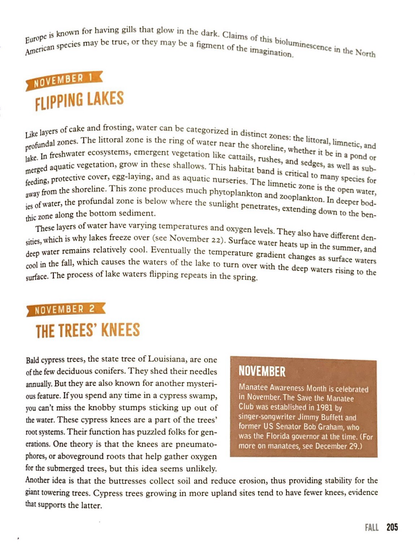
A gift from my oldest brother. An almanac. Our grandmother gave me an almanac when I was a kid. #books #dailyreading #november
Today's energy - If it's for you, it's for you.
We all come from somewhere - thinking about the past - and some people are great at deciding how things should be done. But we all get to decide out own life's experience - including how we interpret our own culture, ancestry and background. Even recent and current family relations.

This is your permission to feel into what feels right for you, when it comes to cultivating your sense of self together with pre-determined culture and traditions.

#feelgoodrebel #feelgoodrebeacademy #energyreading #spiritual #dailyreading #todaysenergy #culture #ancestors #tradition #selfsovereignty

Anyone may control investments, regardless of their level of knowledge or comprehension. However, to control our financial future, we must acquire the mindset of an inside investor that will enable us to attain an extraordinary return on investment.

.

.

.

#masterinvestor #wealth #leaders #businesses #entrepreneurs #luxury #richest #investing #dailyreading #entrepreneurial #millionaires #hustle #howtomakemoney #wealthymindset #news #trending #financing #roi

One day I couldn't fall asleep and I discovered that by counting numbers..."The idea worked, so I decided to turn it into a book that could also help other people. I also discovered that reading numbers one after another is not easy at all, but it helps achieve the goal. That’s why I recommend you buy it. It can also be a really fun idea if you want to make someone laugh."

Asin ‎B0DRT94H2R
Isbn 9798303084384
Link https://a.co/d/7fD5HlH
#comicbooks #DailyReading #asleep #InsideThenumbers