Did you miss #ECCV2022 & #DIRA2022? Did you go, but want to relive the experience?

Thanks to the Web Science and Digital Libraries Research Group blog for posting my trip report that covers keynotes, some interesting papers, and my work at #ECCV2022 & the #DIRA2022 workshop.

https://ws-dl.blogspot.com/2022/12/2022-12-23-eccv-2022-and-dira-2022-trip.html

#ComputerVision #InformationRetrieval #ComputerScience #Conference

2022-12-23: ECCV 2022 and DIRA 2022 Trip Report

The Web Science and Digital Libraries Research Group at Old Dominion University.

#ECCV2022 #DIRA2022 Many reasons exist for users to conduct image searches: protecting intellectual property, building datasets, providing evidence, or justifying funding. That abstract images are at a disadvantage hurts users leveraging search engines for these use cases.
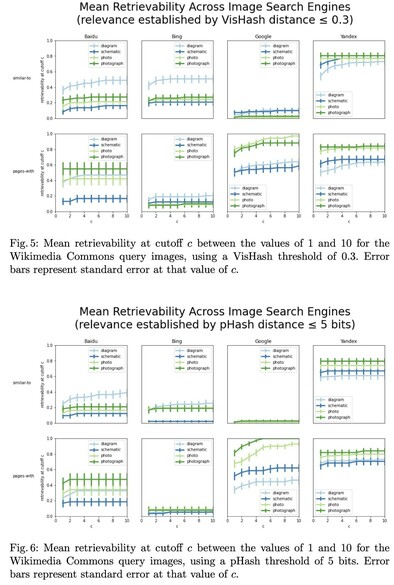
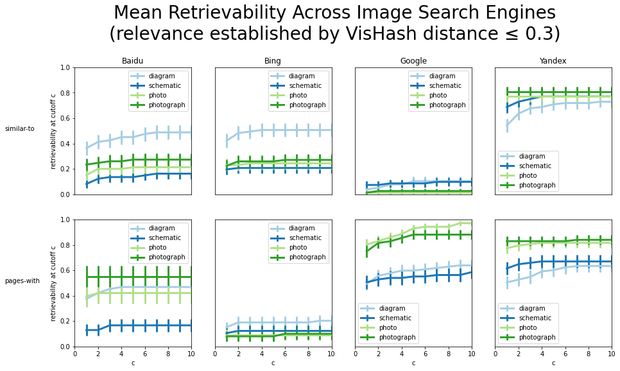
#ECCV2022 #DIRA2022 Google and Yandex perform better with natural images than with abstract ones achieving a difference in retrievability as high as 54% between images in these categories. These results indicate a clear difference in capability among search engines.
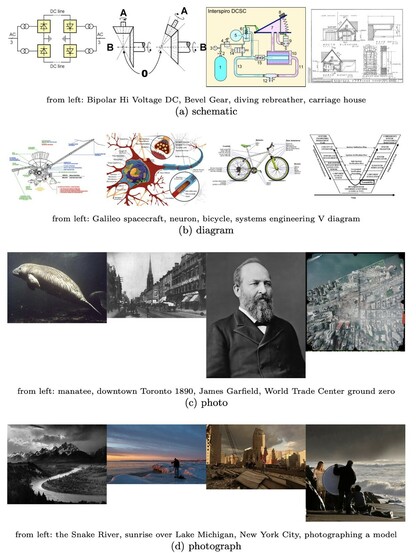
Because Wikipedia is well indexed by search engines, we acquired abstract (diagrams) and natural (photos) images from Wikimedia Commons. We submitted these 380 images to each search engine and recorded how often the search engine returned the same image back. #ECCV2022 #DIRA2022
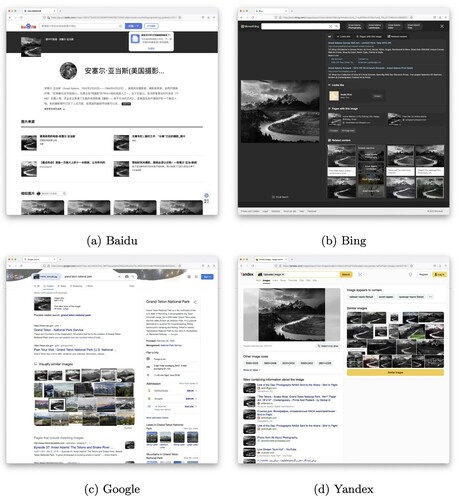
The major search engines Baidu, Bing, Google, and Yandex support "reverse image search" -- where the user can upload an image and view pages that contain that image or pages that have similar images. #ECCV2022 #DIRA2022

Our preprint of "Abstract Images Have Different Levels of Retrievability Per Reverse Image Search Engine" from #ECCV2022 #DIRA2022 is available. We find Google's and Yandex's reverse image search engines favor finding natural images over abstract ones.

Preprint: https://arxiv.org/abs/2211.02115