As President of Cumann na mBan, she left the radicalised party and formed a new organisation called Cumann na Saoirse, holding several senior posts in the Dáil during the Free State. 2/2

#Ireland #IrishHistory #JaneWysePower #SinnFéin #InghinidheNahÉireann #CumannNamBan #FreeState #OnThisDay

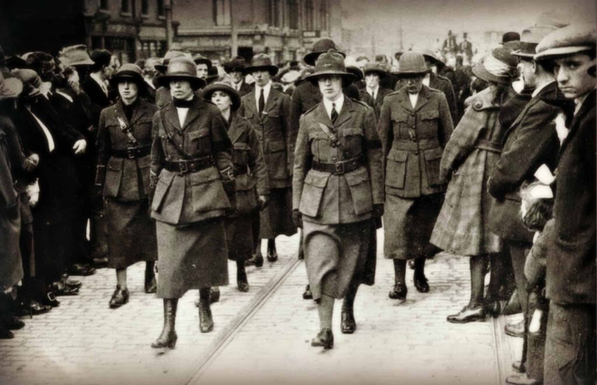
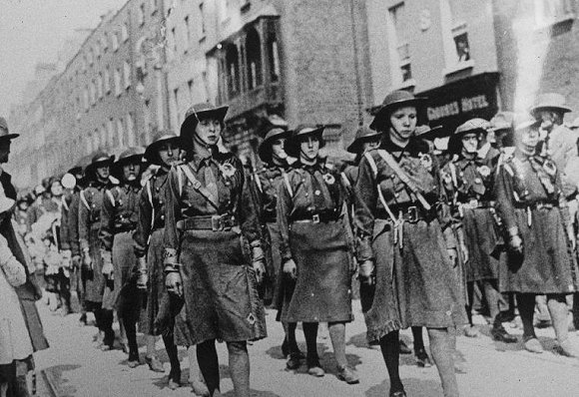
Cumann na mBan was formed in Dublin on 2 April 1914. In 1916, it became an auxiliary of the Irish Volunteers. Cumann na mBan was active in the War of Independence and took the anti-Treaty side in the Civil War. Cumann na mBan was declared an illegal organisation by the government of the Irish Free State in 1923.

#Ireland #IrishHistory #CumannNamBan #IrishWarOfIndependence #OnThisDay
The History Show: Rebel Women: #CumannnamBan in Belfast and the Glens of Antrim 1914-1924 #IrishHistory #Ireland
https://www.rte.ie/radio/radio1/clips/22492722/

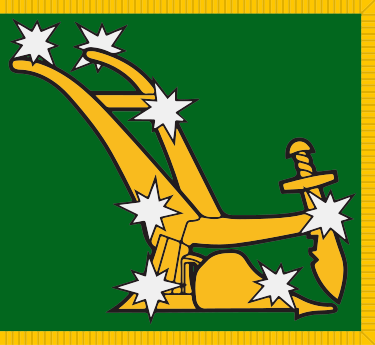
The first performance of Seán O'Casey's the Plough and the Stars took place at the Abbey theatre on 8 February 1926. The play was well received on its opening night. But on subsequent nights audience unrest began and on 11 February Cumann na mBan and Sinn Féin members rioted at perceived insults to the men who had died during the Rising.

#SeánOCasey #ThePloughAndTheStars #AbbeyTheatre #Ireland #IrishTheatre #CumannNamBan #SinnFéin #EasterRising #OnThisDay

On 5 February 1922 a convention of Cumann na mBan members was held to discuss the Anglo-Irish Treaty. 419 Cumann na mBan members voted against the treaty, just 63 voted in favour. In the ensuing Civil War, its members largely supported the anti-Treaty Republican forces. Over 400 of its members were imprisoned by the forces of the Provisional government which became in December 1922 the Irish Free State.

#IrishHistory #Ireland #CumannNamBan #IrishCivilWar #OnThisDay

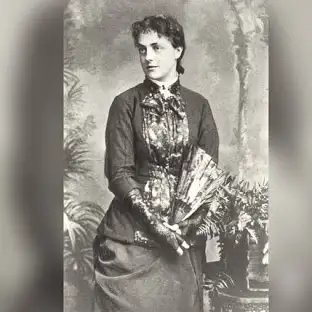
As President of Cumann na mBan, she left the radicalised party and formed a new organisation called Cumann na Saoirse, holding several senior posts in the Dáil during the Free State. The 1916 Proclamation was signed in her house on Henry St, Dublin. 2/2

#Ireland #Dublin #IrishHistory #JaneWysePower #SinnFéin #CumannNamBan #CumannNaSaoirse #OnThisDay

Jane Wyse Power (Siobhán Bean an Phaoraigh) died on 5 January 1941. She was an Irish activist, feminist, politician and businesswoman. She was a founder member of Sinn Féin and Inghinidhe na hÉireann. She rose in the ranks to become one of the most important women of the revolution. 1/2

#Ireland #Dublin #IrishHistory #JaneWysePower #SinnFéin #CumannNamBan #CumannNaSaoirse #OnThisDay

Coyle was one of twenty female prisoners to escape on 7 May 1923. She was recaptured the following day however. Coyle was finally released from Kilmainham in December 1923.

Coyle was appointed to the executive of Cumann na mBan in 1924 and was elected as president in 1926, after Constance Markievicz resigned to join Fianna Fáil. It was a post she held until her resignation in 1941. 4/4

#Ireland #IrishHistory #IrishWarOfIndependence #EithneCoyle #CumannNamBan

In September 1922 the Provisional Government decided to crack down on the activities of Cumann na mBan renegades and Coyle was the first member to be arrested as part of this move.

Initially held at Ballyshannon she became the first Cumann na mBan member to go on hunger strike, refusing food for seven days. Coyle was eventually taken to Mountjoy Prison from which she was transferred to Kilmainham. 3/4

#Ireland #IrishHistory #IrishWarOfIndependence #EithneCoyle #CumannNamBan

She noted in her private papers, 'I read a newspaper during the whole comedy and only raised my eyes once to tell the presiding officer that he was wasting his precious time, as I did not recognise his sham court, as I spoke Irish one of the police had to translate my seven words of wisdom.'

Following the Anglo-Irish Treaty Coyle supported the anti-treaty faction. 2/4

#Ireland #IrishHistory #IrishWarOfIndependence #EithneCoyle #CumannNamBan