 charring auh
The #Chinesezodiac is a traditional classification scheme based on the #Chinesecalendar that assigns an animal and its reputed attributes to each year in a repeating twelve-year cycle.[1] In traditional Chinese culture
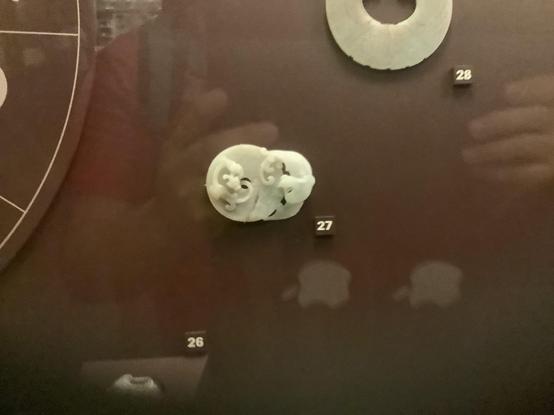
Happy Chinese New Year everybody!
(Or at least it's one Chinese New Year. Tibetans have their own traditional lunisolar calendar, based on classical Indian astronomy, which is also used in Bhutan and Mongolia).
If you will permit me, I'd like to dive deep into the finer minutiae of the history of indigenous Chinese calendars.
#ChineseNewYear #LunarNewYear #ChineseCalendar #calendars
1/23
Renri (7th day of Zhengyue, 1st month in the traditional Chinese calendar) was the day human beings were created.
On each of the year's opening days...
1st=🐔Day
2nd=🐶Day
3rd=🐗Day
4th=🐑Day
5th=🐮Day
6th=🐴Day
7th=🧑🤝🧑Day
...it was forbidden to kill the corresponding animals.
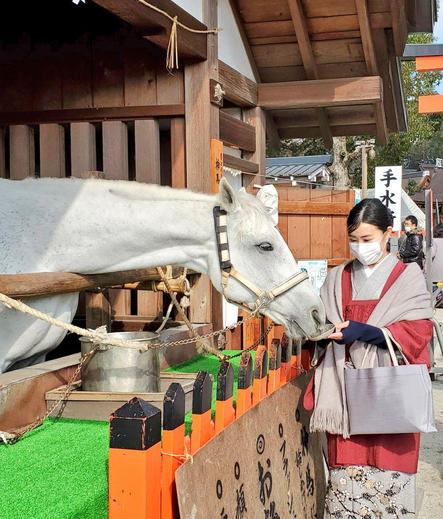
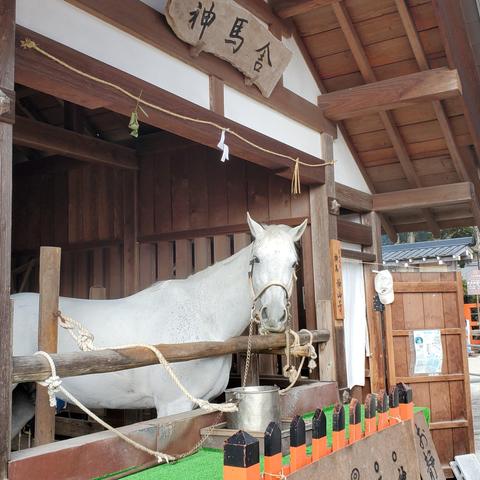
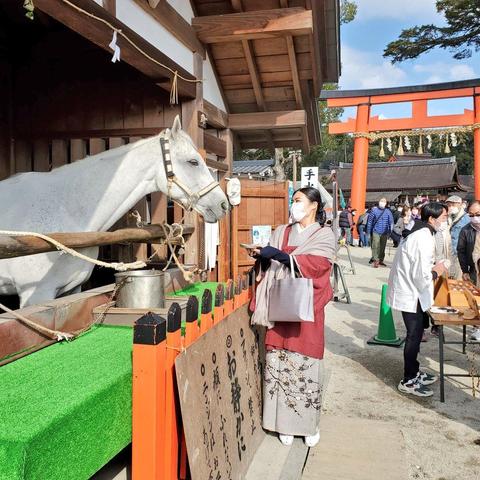
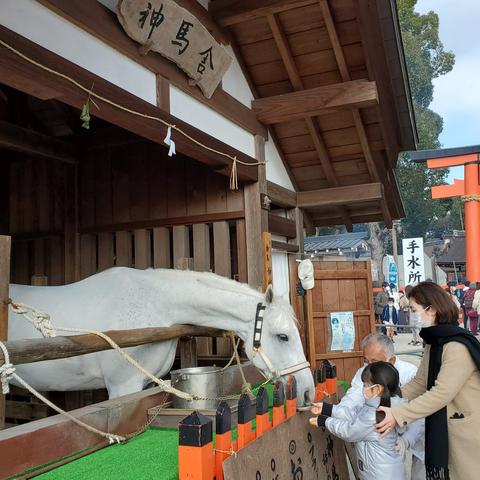
Addendum: Since the #ChineseCalendar depends on the exact positions of the sun and moon, traditional New Year celebrations in #Vietnam and #Korea can happen a day earlier than in #China. They use the same calendar, but are in a different time zone; as such, the month might start a day earlier if the #NewMoon happens to fall very close to #midnight.
#Japan would celebrate New Year's Day on the same day as Kore had the government not abandoned the traditional celebrations in the #MeijiRestoration
Anyway, as you likely know, lunisolar calendars have to add an extra month every few years to keep them in sync with the sun. Sumerian and #Semitic calendars add the extra month at the same position whenever necessary, but the #ChineseCalendar is much more complicated (though in some ways it makes sense). Let me explain.
7/
The #ChineseCalendar is, naturally, based on time in China. Civil days run from midnight to midnight.
Each month begins on the day of the #NewMoon. It doesn't matter if the new moon happens at 00:00:01 or 23:59:59 Chinese time, as long as it falls between those two midnights in China, that's the day the month begins.
Even though China is so big it warrants at least three time zones, all of China is on a single time zone, chosen to make sense in Beijing. Not so great for #Tibet or #Xinjiang
6/
The #ChineseCalendar divides the year into 24 solar terms, or jieqi. Each covers 15° of the ecliptic.
12 of these are considered major, and are referred to as #zhongqi. Four zhongqi begin with the solstices and equinoxes.
Minor and major solar terms alternate throughout the year beginning with Lìchūn, a minor solar term that begins on the day the sun crosses 315° of the ecliptic;.
5/
 Infrapink (he/his/him)
 Camellia Tea Ceremony