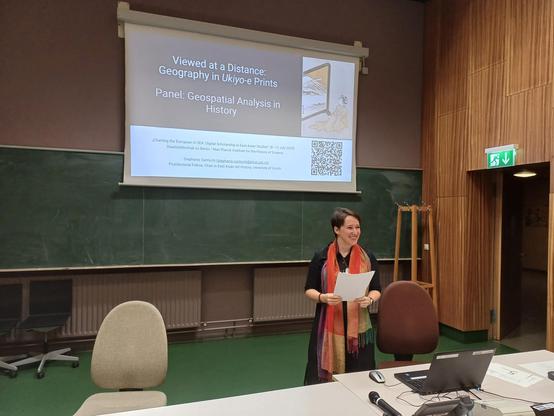
Finally, at #ChartingDSEA, I had the opportunity to present on my own research at the intersection of #arthistory #eastasianart #digitalhumanities and #GIS.
I am looking forward to developing the topic further, and your questions and feedback allow me to make it even better!
Thanks to @stabi_berlin for having hosted us this week, for the workshops and the conference!

https://www.mpiwg-berlin.mpg.de/event/charting-european-d-sea
Charting the European D-SEA: Digital Scholarship in East Asian Studies | MPIWG

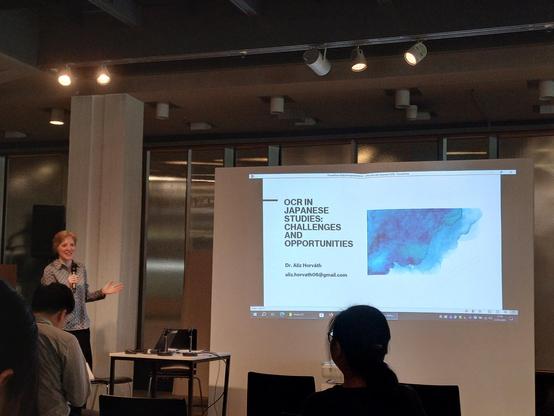
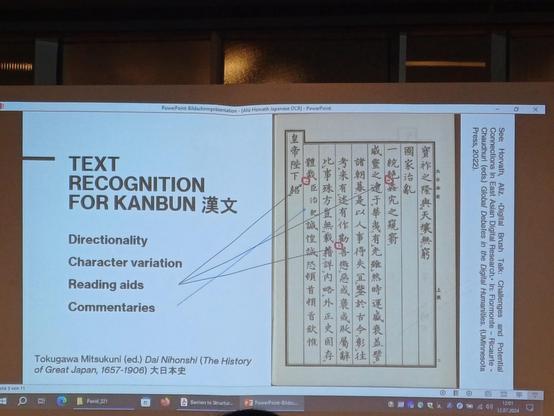
Today I completed my third (or 2.5th) presentation at #ChartingDSEA @stabi_berlin , this time as part of the OCR panel - I contributed with a case study on why it is challenging to OCR Kanbun. Thank you for the great workshop + conference experience and the amazing atmosphere, hope to keep the ball rolling! #multilingualdh #multilingualism #eastasia #Japanese #japan
@multilingualdhwg @mldh
Following, at #ChartingDSEA :
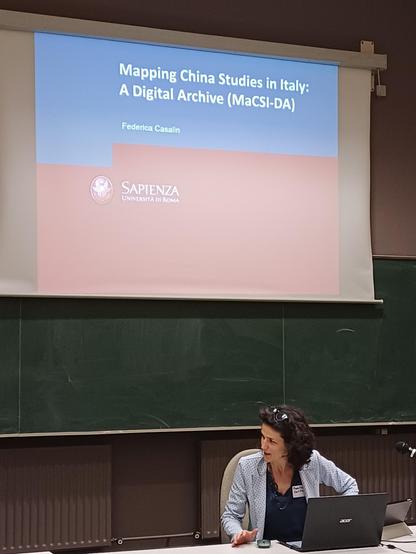
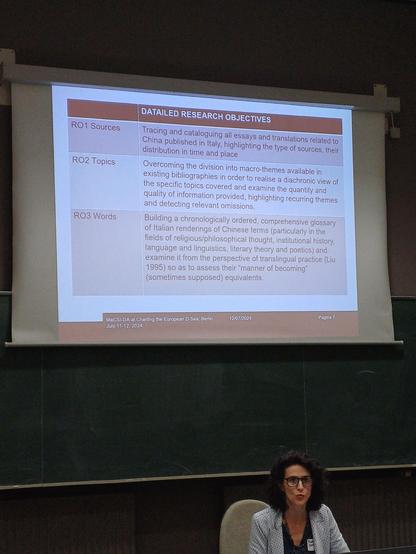
Federica Casalin on 'Mapping China Studies in Italy (1861-1949): A Digital Archive (MaCSI-DA)'.
"Mapping" as surveying and overcoming "multifaceted blindness" as establishing a history of knowledge inbetween scientisms and context of power.
Tackle Distant and Close Viewing limitations through careful corpus, topic and glossary construction, for which different sets of #DigitalHumanities tools can be used.
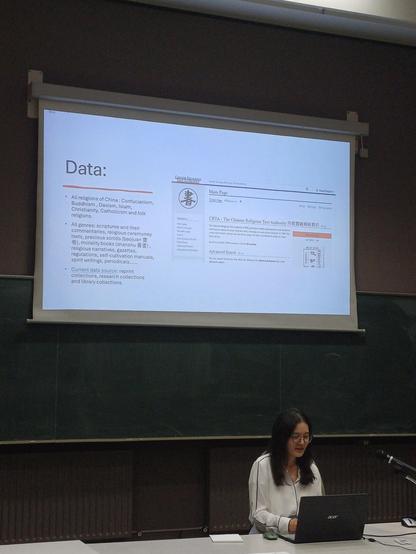
Now, Yangyang Lan on ' Building a digital map of Chinese religious texts: The Project of Chinese Religious Text Authority (CRTA)'. different religion's texts (incl. scrolls, morality books, gazetteers, periodicals, etc.) become available on one platform.
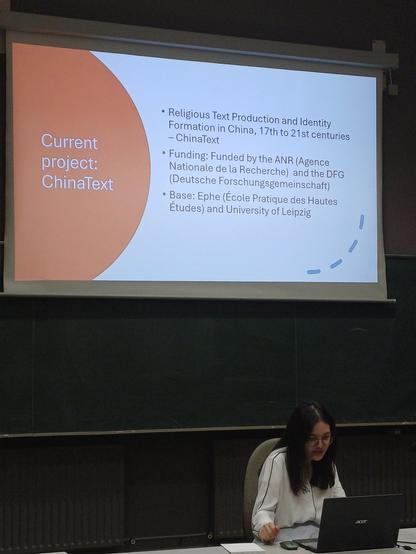
ChinaText: Users can search materials and metadata in a Wiki-type visualisation.
Goal: assess the texts' impact on identity formation.
#ChartingDSEA
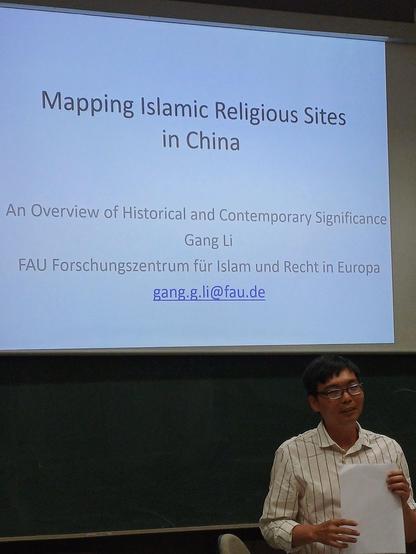
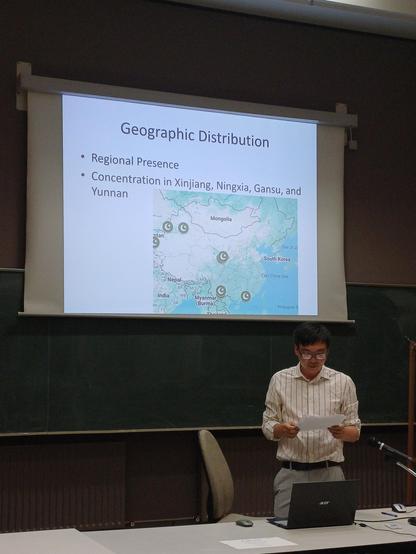
Finally, at #ChartingDSEA, two panels on geospatial project. First speaker: Gang Li, on Mapping Islamic Religious Sites in China. He reminds us that to conduct digital scholarship, we need to have the data to do so - scholarship needs to be aware of data availability biases on our research! And by combatting digital disappearance, we manage to put marginalised objects back "on the map"!

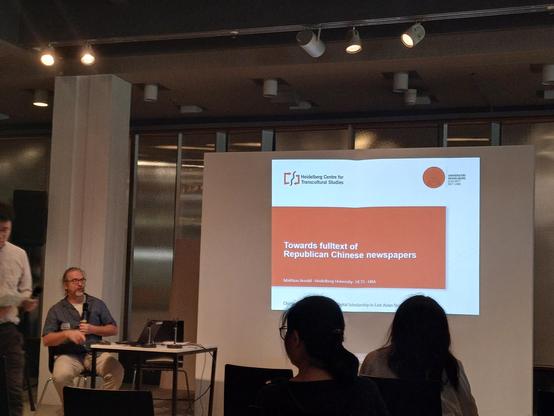
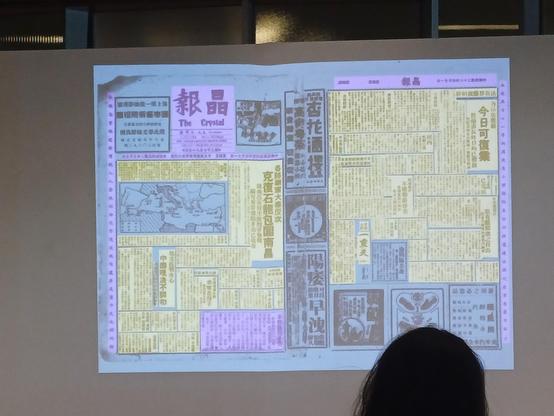
And the last speaker on the #ChartingDSEA OCR panel: Matthias Arnold on: "Towards fulltext of Republican Chinese newspapers" - how can segmentation work in complex newspaper layouts? Crowdsourcing, machine learning, annotation, OCR classification as processes forbrecognising registers and contents.

~ "Ground truths" essential for working with neural networks! ~

Representing Japanese OCR and the complexities of Japanese script which ranges from character and syllable alphabets to sinitic scripts and kuzushiji - Alíz Horváth on challenges and opportunities in pre-modern J-OCR which has so far produced tools like Miwo and KuroNet, but also faces the major issues of Kanbun (directionality, variation, reading aids, commentaries, character size). Some tools which offer solutions remain proprietary.
#ChartingDSEA
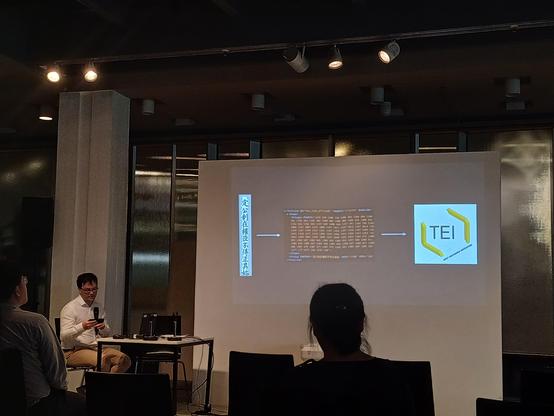
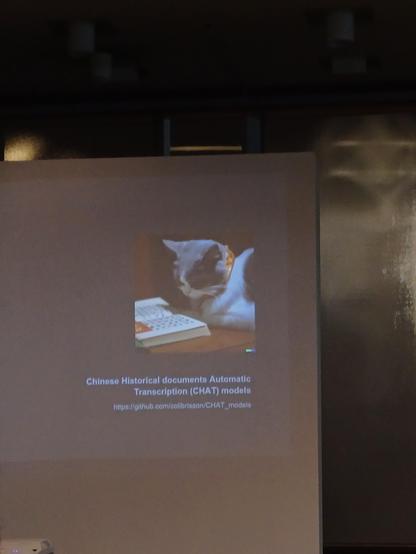
Next at #ChartingDSEA - millions of pre-modern Chinese titles and archival documents face digitisation backlog. To counter, Colin Brisson suggests CHAT_models, guiding us "Towards Massive Production of Open Digital Corpora for the Study of Pre-Modern China".
He urges: datasets need to become reusable (XML TEI), not constantly recreated - and models to be published with code!
The following #ChartingDSEA panel is on #OpticalCharacterRecognition in East Asian scripts. First, Wayne de Fremery on 'Authoring Optical Character Recognition (OCR) Solutions for East Asian Special Collections', who's warns that failure to reproduce historical scripts digitally endagers survival of these languages! OCR is an infrastructure which represents how we think and argue humanity. To conduct humanities research, we must be able to apply OCR to various scripts and styles.
 

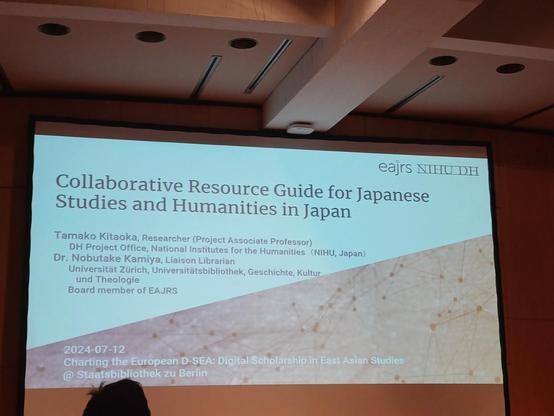
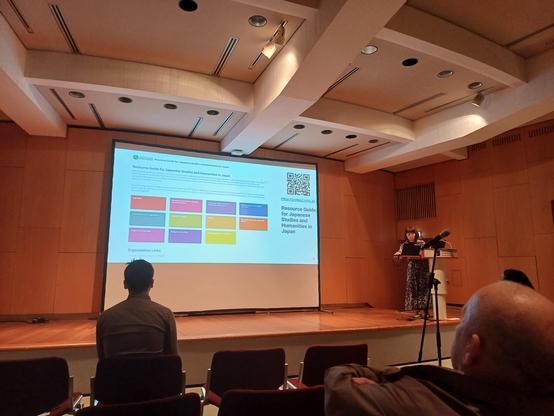
And concluding this panel, Nobutake Kamiya and
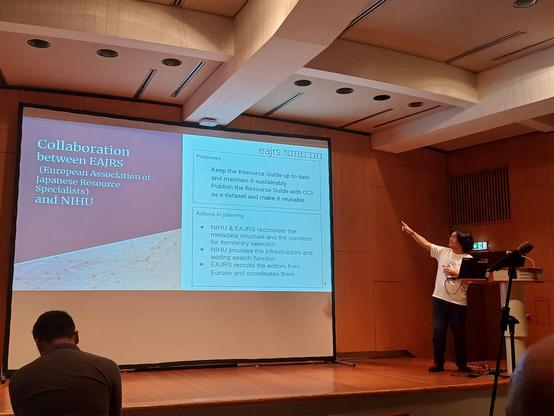
Tamako Kitaoka ask how students, researchers and teachers can find and use their desired information among vast collections of Japanese resources. They propose the 'Collaborative Resource Guide for Japanese Studies and Humanities in Japan', and highlight the collaboration necessary to maintain such infrastructure and update the research guide, at #EAJRS and the National Institutes for the Humanities.

#ChartingDSEA