Ultimate Overlanding Guide: Gear, Safety, and Comfort
Overlanding is the art of self-reliant travel to remote destinations, where the journey is as important as the destination. For a 7-10 day expedition in 2026, packing the right gear is crucial for safety, comfort, and enjoyment. Below, gear is classified into three categories: MUST HAVE, NICE TO HAVE, and LUXURY items.
MUST HAVE: Essential Gear for Survival and Safety
Shelter & Sleeping
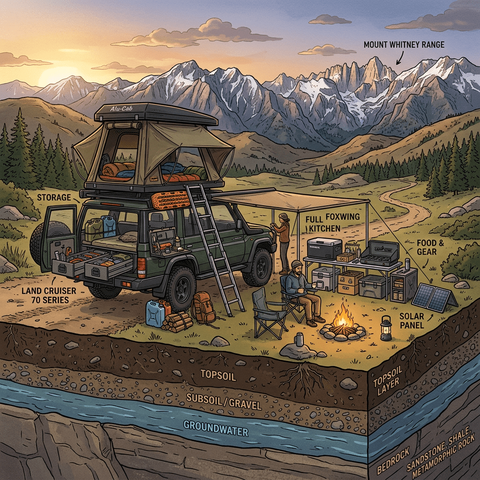
When preparing for an overlanding expedition, shelter and sleeping arrangements are at the core of your survival and comfort. The classic choice for most overlanders remains a tent or rooftop tent, prized for their weatherproof construction and the ability to set up quickly after a long day on the trail. Modern tents in 2026 are lighter, more durable, and often feature integrated bug screens and improved ventilation, making them suitable for a wide range of climates. Rooftop tents, mounted on your vehicle, offer the added benefit of keeping you off the ground, away from moisture, insects, and small wildlife, while also providing a sense of security and a panoramic view of your surroundings.
A sleeping bag, carefully chosen for the expected nighttime temperatures, is non-negotiable. Advances in insulation materials mean that sleeping bags are now more compact and lighter, yet still capable of keeping you warm in sub-zero conditions. Pairing your sleeping bag with a sleeping pad or mattress is equally important. Not only does this layer provide comfort by cushioning you from the hard ground, but it also acts as a critical barrier against heat loss, which can be significant even in mild climates. The latest inflatable or self-inflating pads are designed to be both lightweight and highly insulating, ensuring a good night’s rest.
A tarp or groundsheet rounds out the essentials, serving multiple purposes. Laid beneath your tent, it protects the tent floor from abrasion and moisture, extending the life of your gear. In emergencies or minimalist setups, a tarp can be rigged as a makeshift shelter, offering protection from rain, wind, or sun. Its versatility makes it a must-have, even if you’re already carrying a tent.
However, in recent years, the hammock has emerged as a compelling alternative to the traditional tent, especially for solo travelers or those venturing into forested or uneven terrain. Hammock camping offers several advantages: it eliminates the need for flat, dry ground, allowing you to set up camp almost anywhere there are trees. Modern camping hammocks are designed with integrated bug nets and rain flies, providing protection from insects and the elements. Sleeping suspended above the ground can be more comfortable for some, reducing pressure points and avoiding contact with rocks, roots, or mud. Hammocks also pack down smaller and lighter than most tents, making them ideal for those seeking to minimize weight and bulk.
That said, hammock camping does require some adaptation. Insulation is still necessary, as air circulating beneath you can quickly sap body heat. Many hammock campers use underquilts or specially designed sleeping pads to stay warm. Additionally, hammocks are best suited to environments where trees or sturdy anchor points are reliably available; in open plains or deserts, a tent remains the more practical choice.
For overlanders who want the comfort and versatility of hammock camping but may not always have access to suitable trees or anchor points, hammock stands are a popular solution, especially for car camping. Modern hammock stands are designed to be lightweight, collapsible, and easy to assemble, making them practical to transport and set up at any campsite. These stands allow you to enjoy the benefits of hammock sleeping even in open fields, deserts, or established campgrounds where trees are scarce or protected. Some models are specifically engineered for overlanding, with rugged construction that can withstand rough terrain and variable weather. By bringing a hammock stand, you gain the freedom to choose your campsite based on scenery or convenience rather than the availability of trees, and you can set up your shelter right next to your vehicle for added security and ease of access to your gear. This flexibility makes hammock stands a valuable addition to the overlander’s shelter arsenal, ensuring restful sleep wherever your journey takes you.
Ultimately, the choice between tent and hammock comes down to personal preference, the environment you’ll be traveling through, and your willingness to adapt your sleep system to the conditions at hand. Both options, when paired with a quality sleeping bag, pad, and a versatile tarp, form the backbone of a safe and comfortable overlanding shelter system—ensuring you’re well-rested and ready for whatever the next day’s adventure brings.
Navigation & Communication
Reliable navigation and communication tools are the backbone of any successful overlanding expedition, especially when venturing far from civilization for a week or more. In 2026, the primary means of navigation for most overlanders is a dedicated GPS device or a smartphone equipped with robust offline mapping applications. These digital tools offer real-time positioning, route planning, and the ability to mark waypoints or hazards, making it easy to adapt your journey as conditions change. The latest mapping apps can overlay topographic data, weather updates, and even crowd-sourced trail information, providing a level of situational awareness that was unimaginable just a decade ago.
However, technology is not infallible. Devices can fail, batteries can die, and software can glitch—especially in remote areas where environmental conditions are harsh. That’s why carrying paper maps and a reliable compass remains a critical backup. Paper maps don’t require power, are immune to software errors, and can be invaluable for big-picture route planning or when retracing your steps if you become disoriented. A compass, meanwhile, is a simple but essential tool for orienting yourself and navigating by landmarks or celestial cues if all else fails. Mastery of these analog skills is a mark of a prepared and self-reliant traveler.
Communication is equally vital, not just for convenience but for safety. In areas with little or no cellular coverage, a satellite communicator or emergency beacon becomes your lifeline. These compact devices allow you to send and receive messages, share your location, and, in the event of an emergency, trigger a distress signal that can summon help from search and rescue services. The peace of mind that comes from knowing you can reach out for assistance—no matter how remote your location—cannot be overstated, especially when traveling solo or in small groups.
All of these electronic devices are only as reliable as their power supply. Over a 7-10 day expedition, a high-capacity power bank is essential for keeping your GPS, phone, and satellite communicator charged. Many overlanders also carry solar panels or vehicle-based charging solutions to ensure a steady supply of power, regardless of how long they’re off-grid. Charging cables, adapters, and spare batteries round out the system, ensuring that your navigation and communication tools are always ready when you need them most.
Together, these tools—digital and analog—form a comprehensive navigation and communication system that supports both the spirit of adventure and the practical demands of safety and self-reliance in the wild.
Food & Water
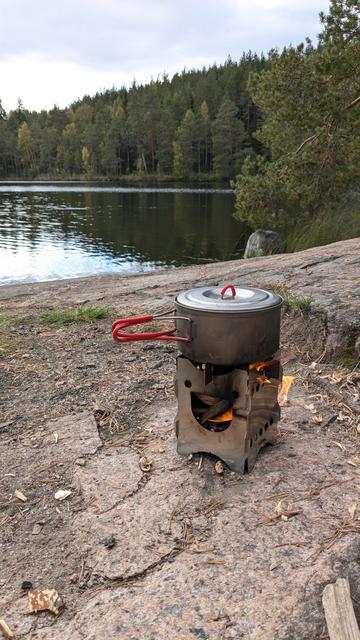
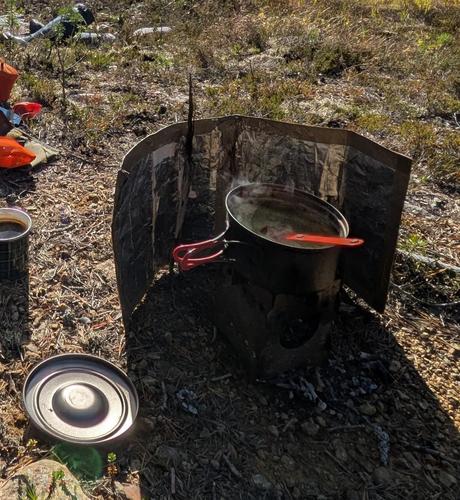
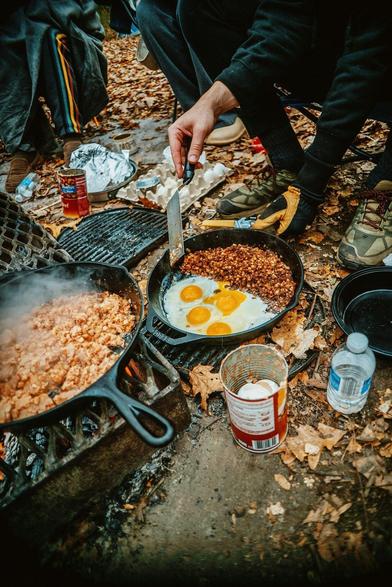
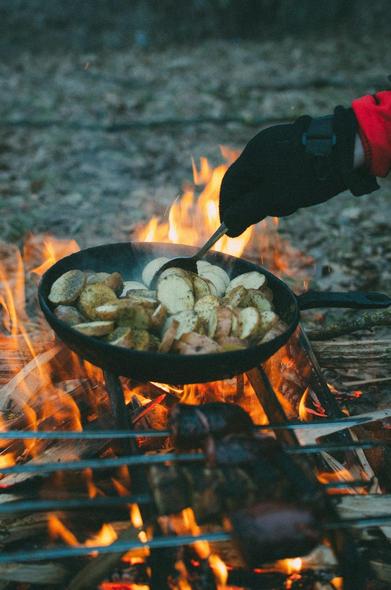
Sustenance is at the heart of any overlanding journey, and thoughtful planning around food and water can make the difference between a challenging ordeal and a rewarding adventure. For cooking, most overlanders rely on a portable stove, which offers reliable heat and efficiency regardless of weather or fire restrictions. Modern stoves are compact, fuel-efficient, and easy to set up, making them ideal for preparing hot meals at the end of a long day. In areas where campfires are permitted and safe, a well-managed fire can add a sense of ritual and comfort to camp life, but it’s important to be mindful of local regulations and environmental impact.
Fuel management is a critical consideration. Carrying enough fuel for your stove ensures you can cook every meal, boil water, and even provide emergency warmth if needed. Advances in fuel canisters and refillable systems have made it easier to pack just the right amount, minimizing waste and weight. Alongside your stove, lightweight cookware—such as a nesting pot and pan set, along with durable utensils—enables you to prepare a variety of meals without overburdening your vehicle or pack. The latest materials, like titanium and hard-anodized aluminum, strike a balance between durability and minimal weight, while clever designs allow for compact storage.
When it comes to food, the key is balancing nutrition, weight, and ease of preparation. Freeze-dried and dehydrated meals have become staples for overlanders, offering long shelf life, minimal bulk, and quick rehydration with hot water. Many travelers supplement these with canned goods, energy bars, and snacks that require no preparation. For those who enjoy cooking, bringing a selection of spices or condiments can transform basic meals into memorable camp cuisine. Planning your menu in advance ensures you have enough calories and variety to stay energized and satisfied throughout the trip.
Water is perhaps the most critical resource of all. Over a 7-10 day expedition, carrying sufficient water is non-negotiable, with a general guideline of at least four liters per person per day to cover drinking, cooking, and basic hygiene. Sturdy water containers—ranging from collapsible bladders to rigid jerry cans—make it possible to transport and store enough water for several days at a time. However, since water is heavy and space is limited, the ability to resupply along the route is invaluable. This is where water filters and purification tablets come into play. Modern filtration systems can quickly turn river, lake, or even questionable tap water into safe drinking water, while chemical treatments provide a lightweight backup for emergencies.
By carefully considering your approach to food and water, you ensure not only your survival but also your comfort and enjoyment on the trail. The right gear and planning allow you to savor hot meals, stay hydrated, and maintain your energy—freeing you to focus on the journey and the landscapes unfolding before you.
Clothing
Clothing is your first and most adaptable line of defense against the elements during an overlanding expedition, and choosing the right garments can profoundly affect your comfort, safety, and overall experience. The foundation of any effective overlanding wardrobe is a layering system, which allows you to adjust your insulation and protection as conditions change throughout the day. In 2026, technical fabrics have advanced to offer even greater breathability, moisture-wicking, and thermal regulation, making it easier to stay comfortable whether you’re facing chilly mornings, midday heat, or sudden drops in temperature after sunset.
A typical layering system starts with a base layer that sits next to your skin, efficiently wicking sweat away to keep you dry and prevent chills. Merino wool and high-performance synthetics are popular choices, as they resist odor and dry quickly. Over this, a mid-layer—such as a fleece or lightweight insulated jacket—provides warmth without bulk, trapping body heat while still allowing moisture to escape. The outermost layer is your shield against wind, rain, and snow: a waterproof jacket and pants are essential, constructed from modern materials that block out the elements while remaining flexible and breathable enough for active movement. These garments are designed to pack down small, so they’re always ready when the weather turns.
Footwear is equally critical. Sturdy boots, preferably waterproof and with good ankle support, protect your feet from rough terrain, mud, and water crossings. Advances in boot design mean you no longer have to choose between comfort and durability; many models now offer both, with improved grip and lighter weight for long days on your feet. Proper socks—again, often merino wool or synthetic blends—help prevent blisters and keep your feet dry.
Accessories like a hat and gloves round out your clothing system. A wide-brimmed hat shields you from the sun during exposed drives or hikes, while a warm beanie is invaluable on cold nights. Gloves serve multiple purposes: they keep your hands warm, protect against abrasions during camp setup or vehicle repairs, and can even provide extra grip when handling gear in wet or icy conditions.
Ultimately, the right clothing allows you to adapt to whatever nature throws your way, from sudden storms to blazing sun. By investing in quality, versatile garments and understanding how to layer them effectively, you ensure that you remain comfortable, protected, and ready to tackle every challenge your overlanding adventure presents.
Vehicle Essentials
Your vehicle is the backbone of any overlanding journey, and its reliability can make or break your expedition. Preparing your rig with the right essentials is not just about convenience—it’s about ensuring you can handle the unexpected and keep moving forward, no matter how remote your route becomes. One of the most fundamental preparations is carrying a full-size spare tire, along with a robust jack and a comprehensive tire repair kit. Overlanding often means traversing rocky trails, sharp gravel, or muddy tracks where punctures and blowouts are not just possible, but likely. A full-size spare ensures you’re not limited by the reduced capability of a temporary tire, while a quality jack and repair kit allow you to address everything from slow leaks to major punctures on the spot, minimizing downtime and frustration.
A basic tool kit is another non-negotiable item, tailored to your specific vehicle. This kit should include the tools necessary for routine maintenance and common roadside repairs, such as tightening loose bolts, replacing fuses, or adjusting components that may rattle loose after hours of rough travel. In 2026, many overlanders also carry compact, multi-functional tools that combine several implements in one, saving space and weight while still providing the versatility needed for field repairs.
Recovery gear is essential for self-sufficiency, especially when traveling solo or in small groups. Tow straps and shackles are the minimum equipment needed to extricate your vehicle from mud, sand, or snow, and they’re equally useful for helping others you may encounter along the way. Modern recovery gear is lighter and stronger than ever, with synthetic materials replacing heavy steel cables, making it easier to handle and safer to use. Knowing how to use this equipment is just as important as carrying it; a little practice before your trip can make a big difference when you’re faced with a real-world recovery situation.
Vehicle fluids—such as engine oil and coolant—should always be part of your kit. Long days on the trail can put extra strain on your engine, and leaks or overheating can happen without warning. Carrying spare fluids allows you to top up as needed and prevent minor issues from escalating into trip-ending breakdowns. Many overlanders also bring along a small funnel and rags to make the process cleaner and more efficient.
Finally, jumper cables or a portable jump starter are indispensable for dealing with dead batteries, which can result from extended use of lights, fridges, or other accessories while camped in one spot. Portable jump starters have become more compact and powerful, often doubling as power banks for charging devices in a pinch. With one of these on hand, you can quickly get your vehicle running again without relying on another car for assistance.
Together, these vehicle essentials form the foundation of your overlanding preparedness. They empower you to tackle mechanical setbacks, recover from sticky situations, and maintain your vehicle’s performance throughout your journey—ensuring that your adventure continues, no matter what challenges the road throws your way.
First Aid & Emergency
When venturing far from the conveniences of civilization, being prepared for medical and emergency situations is not just prudent—it’s essential. A comprehensive first aid kit is the cornerstone of your emergency preparedness. In 2026, these kits are more advanced and compact than ever, often including not only the basics like bandages, antiseptics, and gauze, but also trauma supplies such as tourniquets, hemostatic agents, and splints. The best kits are tailored to the specific risks of overlanding, with items to treat burns, cuts, sprains, insect bites, and even allergic reactions. It’s not enough to simply carry a kit; knowing how to use its contents is equally important, so a basic understanding of wilderness first aid can make a critical difference in a remote setting.
Personal medications are another vital aspect of your emergency planning. Whether you require daily prescriptions or carry medications for chronic conditions like asthma or severe allergies, ensuring you have an ample supply—plus a little extra for unforeseen delays—can be lifesaving. It’s wise to store these medications in waterproof, clearly labeled containers, and to keep a written list of your medical needs and dosages in case you need to communicate with rescuers or medical professionals.
Fire safety is a concern that should never be underestimated, especially when cooking with stoves or building campfires in wild areas. A compact, modern fire extinguisher designed for automotive and outdoor use is a must-have. These extinguishers are capable of handling a range of fire types, from electrical to fuel-based, and can be the difference between a minor incident and a catastrophic loss of your vehicle or gear. Mounting the extinguisher in an easily accessible location ensures you can act quickly if a fire breaks out.
An emergency blanket, often made from reflective Mylar, is a deceptively simple but incredibly versatile piece of gear. It can provide life-saving warmth in the event of exposure or shock, reflecting body heat back to the user and shielding against wind and rain. Beyond its primary use, an emergency blanket can serve as a makeshift shelter, ground cover, or even a signaling device thanks to its reflective surface. Its minimal weight and compact size make it an easy addition to any emergency kit.
Together, these first aid and emergency items form a safety net that allows you to respond effectively to accidents, sudden illnesses, or environmental hazards. They provide peace of mind, knowing that you’re equipped to handle the unexpected and protect yourself and your companions until help arrives or you’re able to reach safety. In the unpredictable world of overlanding, this level of preparedness is not just wise—it’s essential for a safe and successful journey.
Summary
Survival/SafetyKey ElementsDetails & InsightsShelter & SleepingTent or rooftop tent, sleeping bag, sleeping pad/mattress, tarp/groundsheet, hammock, hammock standModern tents and rooftop tents offer weatherproof, quick setup, and protection from elements and wildlife. Sleeping bags with advanced insulation keep you warm in all conditions, while sleeping pads provide comfort and prevent heat loss. Tarps serve as ground protection or emergency shelter. Hammocks, with bug nets and rain flies, are ideal for forested terrain and pack down small, but require insulation and anchor points. Hammock stands enable hammock use even where trees are absent, adding flexibility for car camping. The choice between tent and hammock depends on environment and personal preference, but both require quality insulation and a versatile tarp for a reliable sleep system.Navigation & CommunicationGPS/smartphone with offline maps, paper maps, compass, satellite communicator/emergency beacon, power bank, charging solutionsDigital navigation tools provide real-time positioning, route planning, and situational awareness, but can fail in harsh conditions. Paper maps and a compass are essential backups for orientation and route planning. Satellite communicators or emergency beacons ensure you can call for help in remote areas, offering peace of mind. Reliable power is crucial—high-capacity power banks, solar panels, and charging cables keep devices operational throughout the journey. A blend of digital and analog tools ensures both adventure and safety.Food & WaterPortable stove/campfire, fuel, lightweight cookware, food (freeze-dried, canned, dehydrated), water containers, water filter/purification tabletsPortable stoves provide reliable cooking regardless of weather or fire bans, with modern fuel systems minimizing weight and waste. Lightweight cookware enables varied meal prep without excess bulk. Food choices balance nutrition, weight, and ease of preparation, with freeze-dried and dehydrated meals as staples. Water is critical—carry at least 4L per person per day, using sturdy containers. Water filters and purification tablets allow safe resupply from natural sources, ensuring hydration and health. Careful planning supports both survival and enjoyment.ClothingLayering system, waterproof jacket/pants, sturdy boots, hat, glovesLayering allows adaptation to changing weather, with technical fabrics offering breathability and thermal regulation. Base layers wick moisture, mid-layers provide warmth, and waterproof outer layers shield from wind and rain. Sturdy, waterproof boots with good support protect feet on rough terrain, while quality socks prevent blisters. Hats and gloves offer sun protection and warmth, rounding out a system that keeps you comfortable and ready for any conditions.Vehicle EssentialsFull-size spare tire, jack, tire repair kit, basic tool kit, recovery gear, vehicle fluids, jumper cables/portable jump starterVehicle reliability is paramount. A full-size spare, jack, and repair kit address tire issues common on rough trails. A basic tool kit enables routine maintenance and field repairs. Recovery gear like tow straps and shackles is essential for self-extraction or helping others, with modern materials improving safety and ease of use. Carrying spare fluids prevents breakdowns from leaks or overheating. Jumper cables or a portable jump starter ensure you can recover from a dead battery, keeping your journey on track.First Aid & EmergencyComprehensive first aid kit, personal medications, fire extinguisher, emergency blanketAdvanced first aid kits cover a range of injuries and emergencies, but knowledge of their use is vital. Personal medications must be packed in sufficient quantity and stored safely. Fire extinguishers are crucial for vehicle and campfire safety, with modern models handling multiple fire types. Emergency blankets provide warmth, shelter, and signaling capability in a compact package. Together, these items form a safety net, enabling effective response to accidents, illness, or environmental hazards and ensuring peace of mind in remote settings.
NICE TO HAVE: Comfort and Convenience
Camp Comfort
While the essentials keep you safe and alive, it’s the “nice to have” comforts that transform an overlanding expedition from a rugged survival exercise into a truly enjoyable adventure. After a long day of driving rough tracks or hiking through wild terrain, the simple pleasure of unfolding a comfortable chair and sitting at a table can’t be overstated. Folding chairs and tables designed for overlanding are lightweight, durable, and pack down small, making them easy to stow in your vehicle. They provide a welcoming spot to relax, share meals, or plan the next day’s route, and they help create a sense of home no matter how far you are from civilization.
Personal hygiene, often overlooked in the wild, becomes much more manageable with the addition of a compact camp shower or a supply of biodegradable wipes. Modern camp showers are ingeniously designed to be portable and efficient, using solar-heated bags or battery-powered pumps to deliver a refreshing rinse even in remote locations. This small luxury can make a world of difference in your comfort and morale, especially on longer trips where dust, sweat, and grime accumulate quickly. When water is scarce or time is short, high-quality wipes offer a quick and effective way to freshen up, keeping you feeling clean and reducing the risk of skin irritation or infection.
Lighting is another area where a little extra gear can greatly enhance your camp experience. Solar lanterns and string lights have become favorites among overlanders for their ability to create a warm, inviting atmosphere after dark. These lights are lightweight, energy-efficient, and can be recharged during the day, ensuring you always have illumination without draining your vehicle’s battery. String lights can be draped around your camp or inside your tent, providing gentle, ambient light that makes cooking, reading, or socializing more pleasant. Solar lanterns, meanwhile, offer reliable task lighting for everything from meal prep to late-night repairs.
Together, these comfort-focused additions help bridge the gap between wilderness and home, making your camp a place of relaxation and enjoyment rather than just a stopover. They encourage you to linger, savor the evening, and connect with your surroundings and companions, turning each night on the trail into a memorable part of the journey.
Cooking & Food Prep
Elevating your overland kitchen with a few thoughtful additions can dramatically enhance both the quality and enjoyment of your meals on the trail. One of the most transformative upgrades is the inclusion of a portable fridge or high-performance cooler. Unlike traditional ice chests, modern portable fridges run off your vehicle’s power or a dedicated battery, maintaining a consistent temperature regardless of the weather outside. This means you can safely store fresh produce, dairy, meats, and even leftovers for days at a time, opening up a world of culinary possibilities far beyond the limitations of canned or dehydrated foods. Even a well-insulated cooler, when paired with quality ice packs, can keep perishables fresh for several days, allowing for crisp salads, cold drinks, and a wider variety of ingredients.
Flavor is another area where a little extra effort pays big dividends. A compact spice kit, tailored to your tastes, transforms basic camp meals into memorable feasts. Whether it’s a pinch of smoked paprika for your morning eggs, a dash of chili flakes for a hearty stew, or a sprinkle of cinnamon on your oatmeal, having your favorite seasonings at hand makes every meal more satisfying. Small containers of olive oil, soy sauce, or hot sauce can also go a long way in adding depth and variety to your camp cuisine. These little touches help break the monotony of repetitive trail food and bring a sense of home to even the most remote campsites.
For many overlanders, the ritual of making coffee or tea is a cherished part of the daily routine. A dedicated coffee or tea kit—complete with a compact brewing device, your favorite beans or leaves, and perhaps a hand grinder—ensures you can start each morning with a hot, comforting beverage. Whether you prefer the simplicity of instant coffee or the full-bodied flavor of a pour-over or French press, having the right tools makes the process easy and enjoyable. Sharing a cup of coffee at sunrise or winding down with tea at sunset becomes a small but meaningful luxury, connecting you to the rhythms of the day and the landscape around you.
Together, these enhancements to your cooking and food prep setup not only improve your nutrition and comfort but also add a sense of ritual and pleasure to life on the road. They encourage creativity, foster relaxation, and help turn each meal into an experience to savor, making your overlanding journey as much about the moments at camp as the miles you travel.
Navigation & Tech
The integration of advanced technology into overlanding has opened up new dimensions of exploration, planning, and enjoyment. One of the most exciting additions to the modern overlander’s toolkit is the drone. Compact, rugged, and equipped with high-resolution cameras, drones allow you to scout the terrain ahead from a bird’s-eye view, which can be invaluable for route planning in unfamiliar or challenging landscapes. With a drone, you can identify obstacles, find the best campsites, or even locate water sources and trailheads that might be hidden from ground level. Beyond their practical applications, drones also offer the opportunity to capture breathtaking aerial photographs and videos, preserving the grandeur of remote vistas and the scale of your journey in ways that ground-based cameras simply can’t match. These images become lasting memories and can be shared with friends, family, or the wider overlanding community, inspiring others and documenting your adventures.
A tablet or e-reader, meanwhile, brings both utility and comfort to life on the road. Tablets serve as versatile navigation aids, offering larger screens for detailed maps, satellite imagery, and route planning apps that are easier to use than a smartphone’s smaller display. They can store guidebooks, field manuals, and offline resources, putting a wealth of information at your fingertips even when you’re far from a signal. For downtime at camp, a tablet doubles as an entertainment hub, allowing you to watch downloaded movies, edit photos, or keep a digital journal of your travels. E-readers, with their long battery life and glare-free screens, are perfect for unwinding with a good book under the stars, providing a lightweight library that takes up virtually no space in your gear.
Together, these tech enhancements not only make navigation more precise and flexible but also enrich your overlanding experience with new ways to explore, document, and relax. They bridge the gap between rugged adventure and modern convenience, ensuring that you can navigate confidently, capture the beauty of your journey, and enjoy moments of leisure wherever the road takes you.
Vehicle Upgrades
Enhancing your vehicle with a few strategic upgrades can significantly expand your capabilities and confidence on an overlanding journey. One of the most practical additions is an air compressor, which allows you to adjust tire pressure on the fly. Lowering tire pressure can dramatically improve traction and ride comfort on sand, mud, or rocky trails, while reinflating your tires before returning to paved roads ensures safety and fuel efficiency. A portable or onboard air compressor makes this process quick and convenient, eliminating the need to search for a service station in remote areas and giving you the flexibility to adapt to changing terrain at a moment’s notice.
Traction boards are another invaluable upgrade, especially when traveling through soft sand, deep mud, or snow. These rugged, lightweight boards can be placed under your tires to provide immediate grip when your vehicle is stuck, often allowing you to self-recover without the need for a winch or assistance from another vehicle. Their effectiveness can mean the difference between a minor delay and a major ordeal, and they’re easy to stow on a roof rack or in the back of your rig. In addition to their primary function, traction boards can serve as makeshift shovels or even as a stable platform for jacking up your vehicle on uneven ground.
Storage solutions such as roof racks and storage boxes help you organize and maximize the carrying capacity of your vehicle. A well-designed roof rack allows you to transport bulky or dirty items—like spare tires, fuel cans, recovery gear, or even kayaks—outside the main cabin, freeing up interior space for passengers and delicate equipment. Storage boxes, whether mounted on the roof or inside the vehicle, keep your gear secure, protected from the elements, and easily accessible. They also help maintain order, so you can quickly find what you need without unpacking your entire load at every stop. With these upgrades, your vehicle becomes a more efficient, capable, and comfortable base for extended travel, ready to tackle the challenges and opportunities of the open road.
Personal Items
Thoughtful personal items can make a significant difference in your comfort and adaptability during an overlanding expedition. A lightweight hammock is a perfect example of a small luxury that offers outsized benefits. Compact and easy to set up, a hammock provides a relaxing spot to unwind at camp, whether you’re reading, napping, or simply enjoying the scenery. In warm weather, it can even serve as an alternative sleeping arrangement, keeping you cool and suspended above uneven or damp ground. Modern hammocks are made from durable, breathable fabrics and pack down to the size of a water bottle, making them easy to stow in any vehicle.
A quick-dry towel is another personal essential that enhances both hygiene and convenience. Unlike traditional cotton towels, quick-dry versions are made from advanced microfiber materials that absorb water efficiently and dry rapidly, even in humid conditions. This means you can use your towel for bathing, swimming, or cleaning up spills, and it will be ready for use again in no time. Its compact size and lightweight nature make it ideal for travel, and it can double as a makeshift blanket, pillow, or even a sunshade in a pinch.
A small repair or sewing kit rounds out your personal gear, providing peace of mind for those inevitable moments when something breaks or tears. Whether it’s patching a hole in your tent, repairing a torn backpack strap, or fixing a button on your shirt, having the right tools and materials on hand can save you from discomfort or inconvenience. Modern kits are compact and well-organized, containing needles, thread, patches, safety pins, and sometimes even adhesive tape or mini tools. This level of preparedness ensures that minor mishaps don’t escalate into major problems, allowing you to stay focused on the adventure rather than the setbacks.
Together, these personal items add a layer of comfort, versatility, and resilience to your overlanding experience, helping you adapt to changing conditions and enjoy every moment on the road.
Summary
Comfort/ConvenienceKey ItemsSummary & BenefitsCamp ComfortFolding chairs & table, camp shower or wipes, solar lanterns/string lightsAdds relaxation and a sense of home to camp life. Chairs and tables provide comfort for meals and planning. Camp showers and wipes improve hygiene and morale, while solar lighting creates a welcoming, functional atmosphere after dark.Cooking & Food PrepPortable fridge/cooler, spice kit & condiments, coffee/tea kitEnhances meal quality and enjoyment. Fridges/coolers keep food fresh, expanding menu options. Spice kits and condiments add flavor and variety, while a coffee/tea kit brings daily ritual and comfort, making meals and breaks more pleasurable.Navigation & TechDrone, tablet or e-readerExpands exploration and documentation. Drones help scout terrain and capture stunning aerial photos. Tablets aid in navigation, planning, and entertainment, while e-readers provide a portable library for relaxation at camp.Vehicle UpgradesAir compressor, traction boards, roof rack/storage boxesIncreases vehicle capability and organization. Air compressors allow for tire adjustments on varying terrain. Traction boards aid in self-recovery from mud or sand. Roof racks and storage boxes maximize space and keep gear accessible and protected.Personal ItemsLightweight hammock, quick-dry towel, repair/sewing kitBoosts comfort, hygiene, and preparedness. Hammocks offer a relaxing or alternative sleeping option. Quick-dry towels are versatile and efficient for cleaning and bathing. Repair kits ensure minor gear failures don’t disrupt the journey.
LUXURY: For Maximum Enjoyment
Camp Life
For those who want to elevate their overlanding experience beyond comfort and into the realm of true luxury, a few carefully chosen extras can transform a remote campsite into a place of entertainment, leisure, and adventure. Bringing a portable projector, for example, allows you to create a pop-up outdoor cinema wherever you park for the night. Imagine unwinding after a day of exploration by watching your favorite films projected onto a taut white tarp or the side of your vehicle, surrounded by the sounds of nature and the company of friends or family. Modern projectors are compact, battery-powered, and capable of delivering surprisingly vivid images, making movie nights under the stars a magical highlight of any trip.
Music, too, can dramatically enhance the atmosphere at camp. A high-quality Bluetooth speaker brings your favorite playlists, podcasts, or audiobooks to life, whether you’re cooking dinner, relaxing by the fire, or sharing stories with fellow travelers. Today’s speakers are rugged, waterproof, and designed for outdoor use, so you don’t have to worry about a little dust or rain. The ability to set the mood with music or enjoy a communal listening experience adds a layer of connection and enjoyment that’s hard to replicate with headphones or the tinny sound from a phone.
For those who crave a bit of active recreation, packing an inflatable kayak or paddleboard opens up a whole new world of exploration. These watercraft are designed to be lightweight and packable, fitting easily into a vehicle when deflated, yet sturdy and stable when inflated. With one on board, any lake, river, or calm coastal stretch becomes an opportunity for adventure—whether you’re paddling out to fish, exploring hidden coves, or simply drifting and soaking in the scenery. The freedom to get out on the water adds a dynamic, playful element to your journey, turning rest days or afternoons at camp into memorable mini-adventures.
Together, these luxury items are not about survival or even basic comfort—they’re about maximizing the joy and richness of your time outdoors. They encourage you to linger, to celebrate, and to make the most of every moment, transforming your overlanding expedition into an experience that’s as much about living well as it is about traveling far.
Gourmet Cooking
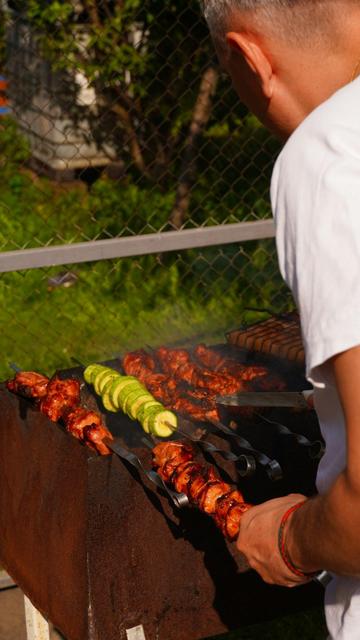
For those who see overlanding not just as a journey but as an opportunity to savor life’s pleasures, gourmet cooking in the wild can be one of the most rewarding luxuries. Bringing along a Dutch oven or portable grill opens up a world of culinary possibilities that go far beyond the typical camp fare. A Dutch oven, with its heavy cast-iron construction, is a versatile powerhouse that can be used to bake bread, simmer stews, roast meats, or even craft desserts like cobblers and cakes. Its ability to retain and evenly distribute heat makes it ideal for slow-cooked, flavorful meals that fill the campsite with enticing aromas and bring people together around the fire. A portable grill, on the other hand, offers the joy of open-flame cooking, allowing you to sear steaks, grill vegetables, or prepare fresh-caught fish with that unmistakable smoky flavor that only comes from cooking outdoors.
The experience is elevated even further when you pack fresh produce and specialty foods. Instead of relying solely on shelf-stable or dehydrated ingredients, you can enjoy crisp vegetables, ripe fruit, artisan cheeses, or even marinated meats. With a portable fridge or cooler, it’s possible to keep these ingredients fresh for days, enabling you to prepare vibrant salads, gourmet sandwiches, or elaborate multi-course meals. Specialty foods—like infused oils, exotic spices, or locally sourced delicacies—add a touch of indulgence and creativity to your camp kitchen, transforming each meal into a celebration of both place and palate.
Gourmet cooking while overlanding is about more than just eating well; it’s about embracing the ritual of meal preparation, sharing food with companions, and making the act of dining a central, memorable part of your adventure. The process of gathering around a bubbling Dutch oven or sizzling grill, savoring the flavors of fresh, thoughtfully chosen ingredients, and enjoying the camaraderie that comes with a shared meal under the open sky, turns every dinner into an event. It’s a reminder that even in the wildest places, you can still enjoy the pleasures of good food, creativity, and connection.
Comfort Upgrades
For overlanders who want to bring the comforts of home into the wild, a few select upgrades can make a dramatic difference in both relaxation and convenience. A heated blanket powered by your vehicle’s 12V system is a game-changer for chilly nights, especially at high elevations or during shoulder seasons. Unlike traditional sleeping bags or blankets, a heated blanket provides consistent, adjustable warmth at the touch of a button, allowing you to settle in for the night without shivering or layering up excessively. It’s perfect for unwinding after a long day, reading in your tent, or simply enjoying the luxury of warmth on demand, no matter how cold it gets outside.
Sanitation and privacy are also elevated with the addition of a portable toilet and a dedicated privacy tent. While digging a cat hole or using public facilities might suffice for short trips, having your own portable toilet brings a new level of hygiene, comfort, and independence—especially in remote areas or during inclement weather. Modern portable toilets are compact, easy to clean, and designed to minimize odors, making them a practical solution for extended journeys. Pairing the toilet with a privacy tent ensures you have a discreet, sheltered space for bathroom needs, changing clothes, or even taking a quick camp shower. This setup not only enhances comfort but also supports Leave No Trace principles by containing waste responsibly.
A hot water system rounds out the suite of luxury comforts, transforming your camp routine with the simple pleasure of hot showers and easy dishwashing. Whether it’s a compact propane heater, a solar-heated bag, or a vehicle-integrated system, having access to hot water means you can wash away the dust and fatigue of the day, soothe sore muscles, and maintain a higher standard of cleanliness. It also makes meal prep and cleanup far more pleasant, especially when temperatures drop. The ability to enjoy a hot shower or rinse your hands in warm water after a cold morning hike is a small but profound luxury that can lift your spirits and make life on the road feel truly indulgent.
Together, these comfort upgrades blur the line between rugged adventure and refined living, allowing you to enjoy the wild without sacrificing the pleasures of warmth, privacy, and cleanliness. They make your overlanding experience not just survivable, but deeply enjoyable—no matter where your journey takes you.
Tech & Entertainment
For those who want to blend the wonders of the natural world with the possibilities of modern technology, a few luxury tech and entertainment upgrades can turn any remote campsite into a place of discovery and connection. Bringing a star tracker or telescope transforms the night sky from a distant backdrop into a source of awe and fascination. Far from city lights, the stars blaze with clarity, and a quality telescope allows you to explore the craters of the moon, the rings of Saturn, or the swirling arms of distant galaxies. A star tracker, often paired with a smartphone app, helps you identify constellations, planets, and celestial events, making stargazing accessible even to beginners. This kind of gear turns evenings at camp into immersive, educational experiences, inviting you and your companions to slow down, look up, and appreciate the vastness and beauty of the universe.
On the other end of the spectrum, a satellite internet hotspot brings the world to your fingertips, no matter how far you roam. With a compact, portable satellite device, you can access reliable internet in places where cellular coverage is nonexistent. This opens up a range of possibilities: you can check weather forecasts, download updated maps, stay in touch with loved ones, or even work remotely from the most secluded locations. For some, the ability to share photos, post updates, or stream entertainment is a welcome way to stay connected and document the journey in real time. For others, it’s a vital safety net, ensuring that help or information is always within reach.
Together, these tech and entertainment luxuries allow you to enjoy the best of both worlds: the serenity and wonder of the wild, and the knowledge, connection, and convenience of modern life. Whether you’re marveling at the cosmos or sending a message across continents, these tools enrich your overlanding experience, making each night and every destination more memorable and meaningful.
Summary
Here’s a summary table of the luxury overlanding upgrades described in your text:
EnjoymentLuxury Item/UpgradeDescription/BenefitCamp LifePortable ProjectorOutdoor cinema experience; compact, battery-powered, vivid images for movie nights under the stars.Bluetooth SpeakerHigh-quality, rugged, waterproof; enhances camp atmosphere with music, podcasts, or audiobooks.Inflatable Kayak/PaddleboardLightweight, packable; enables water adventures and exploration at lakes, rivers, or coastlines.Gourmet CookingDutch OvenVersatile cast-iron cookware for baking, roasting, simmering, and desserts; enhances meal quality.Portable GrillOpen-flame cooking for grilling meats, vegetables, and fish; adds smoky flavor and enjoyment.Fresh Produce & Specialty FoodsEnables gourmet meals with fresh ingredients, artisan cheeses, and specialty items; portable fridge/cooler keeps food fresh.Comfort UpgradesHeated Blanket (12V)Provides adjustable warmth for chilly nights; enhances relaxation and comfort.Portable Toilet & Privacy TentImproves hygiene, privacy, and convenience; supports Leave No Trace principles.Hot Water SystemEnables hot showers and dishwashing; increases cleanliness and comfort.Tech & EntertainmentStar Tracker/TelescopeEnables stargazing and celestial exploration; educational and awe-inspiring.Satellite Internet HotspotProvides reliable internet in remote areas; allows for communication, work, and safety.
Conclusion
A successful overlanding expedition is ultimately defined by your ability to strike a harmonious balance between being thoroughly prepared and traveling with purposeful simplicity. At its core, overlanding is about self-reliance and adaptability—qualities that are best supported by a carefully curated selection of gear. The foundation of your packing list should always be the MUST HAVE items: those essential tools and supplies that guarantee your safety, health, and ability to respond to emergencies. These are non-negotiable, forming the backbone of your survival strategy and ensuring that you can handle the unpredictable challenges that remote travel inevitably presents.
Once your essential needs are covered, the NICE TO HAVE gear comes into play, elevating your experience from mere survival to genuine comfort and enjoyment. These items—whether they provide a better night’s sleep, make camp life more pleasant, or add convenience to daily routines—help you settle into the rhythm of life on the road. They allow you to savor the journey, not just endure it, and can make the difference between a trip that feels like a test of endurance and one that becomes a cherished memory.
LUXURY items, meanwhile, are the finishing touches that transform your expedition into something truly special. These are the indulgences that bring joy, creativity, and a sense of celebration to your travels, whether it’s watching a movie under the stars, preparing gourmet meals, or exploring a hidden lake by kayak. However, these luxuries should only be included if your vehicle’s space, weight limits, and organizational systems allow. Overpacking can quickly turn a well-planned adventure into a logistical headache, making it harder to find what you need and potentially compromising safety or vehicle performance.
Thoughtful packing is about more than just making a checklist; it’s about understanding your priorities, the environment you’ll be traveling through, and your own style of adventure. It means choosing multi-purpose items, packing light where possible, and always leaving room for the unexpected. By approaching your gear selection with intention, you ensure that you’re not weighed down by unnecessary items, yet you’re never left wishing you’d brought something vital.
In 2026, as technology and gear continue to evolve, the principles of smart packing remain timeless. Equip yourself for safety first, add comfort where it counts, and indulge in luxury only when it enhances your journey without encumbering it. With this mindset, you’ll be ready to embrace the freedom and discovery that overlanding promises, confident that you can handle whatever the road—and the wild—has in store.
#adventure #CampCooking #Camping #hiking #outdoors #travel #water BookReviews
 UTAZCO Overland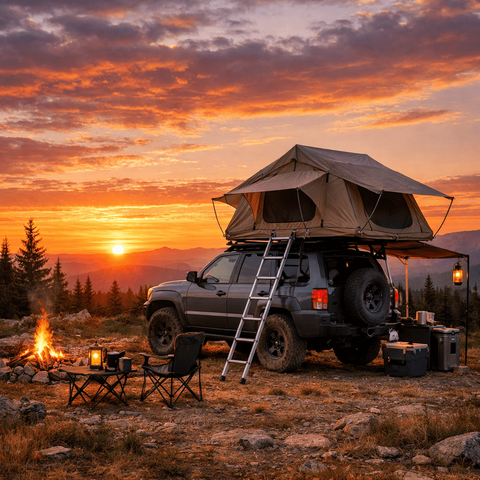
 Jaakko
 Camping Emporium
 Erica Hargreave
 Niklas