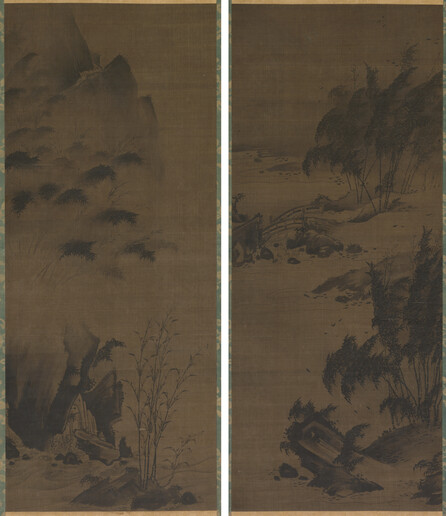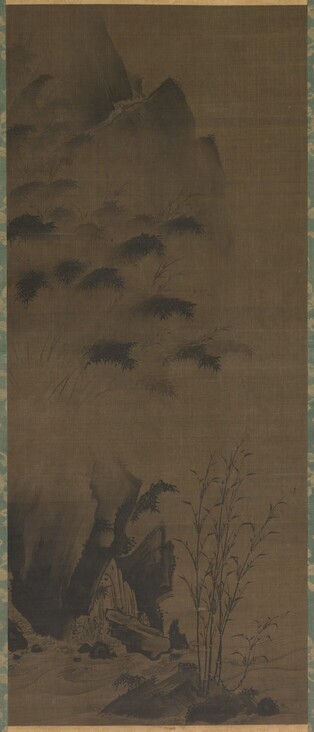
Ink bleeds into paper like rain through bamboo—each stroke a downpour, the leaves trembling in wet, smudged shadows. The rocks loom, almost monstrous, their jagged silhouettes defying the delicate fronds. This pair whispers of a borderless brush, where Korean boldness might dance with Japanese restraint. Who else but a wanderer between worlds could conjure such storm-lit tension?

#BambooInRain #EastAsianArt #ClevelandMuseumofArt
https://clevelandart.org/art/1975.71.1
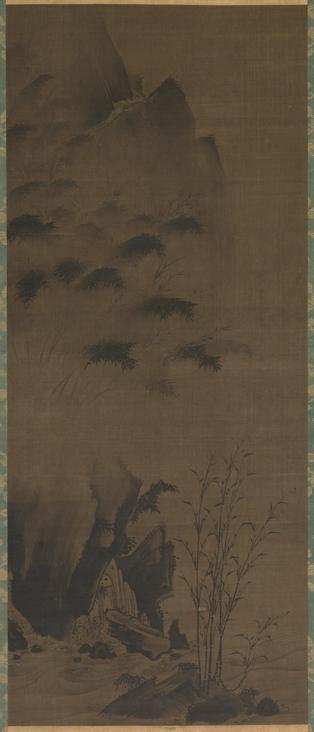
The "Bamboo in Rain" artwork encapsulates the essence of East Asian harmony, merging natural elements with masterful ink brushwork. Lost identities add intrigue—could this painting reflect a Korean influence on Japanese artistry? What stories do you see?
#ClevelandArt #BambooInRain #ArtHistory
https://clevelandart.org/art/1975.71.1
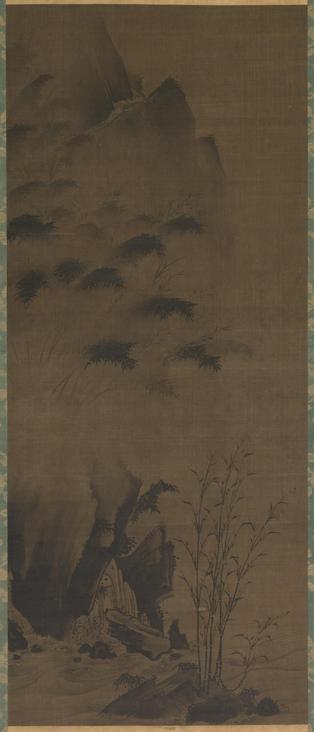
Bamboo in Rain | Cleveland Museum of Art

East Asian paintings from China, Korea, and Japan were frequently conceived as sets of multiple images. These sets might have been composed for specific palace or temple rooms, or to portray a specific theme, such as the four seasons. Over time, the original intent of such sets is often lost through damage, changes in ownership, or a variety of other reasons. <br><br>The identity of the artist can also be lost, but then, sometimes, retrieved. This pair of ink paintings has traditionally been labeled as Japanese and attributed to the 16th-century painter Genga. Since there are no seals or signature of the artist on the painting, this attribution was based on comparisons of brush style with paintings known to be by Genga. More recent study indicates that while the 16th century is an appropriate time frame for the pair, the precise cultural identity of the artist is not certain after all. The dark, eccentric shapes of the rocks and bamboo clusters and the dramatic tonal contrasts evident throughout the composition point to either Korean authorship or influence upon a Japanese painter of the period.

Bamboo in Rain captures the serenity of East Asian landscape art, inviting contemplation through its minimalist brushwork and harmonious composition. Whose story do these paintings tell, and what secrets lie within their ink?
#ClevelandArt #EastAsianArt #BambooInRain
https://clevelandart.org/art/1975.71.1
Bamboo in Rain | Cleveland Museum of Art

East Asian paintings from China, Korea, and Japan were frequently conceived as sets of multiple images. These sets might have been composed for specific palace or temple rooms, or to portray a specific theme, such as the four seasons. Over time, the original intent of such sets is often lost through damage, changes in ownership, or a variety of other reasons. <br><br>The identity of the artist can also be lost, but then, sometimes, retrieved. This pair of ink paintings has traditionally been labeled as Japanese and attributed to the 16th-century painter Genga. Since there are no seals or signature of the artist on the painting, this attribution was based on comparisons of brush style with paintings known to be by Genga. More recent study indicates that while the 16th century is an appropriate time frame for the pair, the precise cultural identity of the artist is not certain after all. The dark, eccentric shapes of the rocks and bamboo clusters and the dramatic tonal contrasts evident throughout the composition point to either Korean authorship or influence upon a Japanese painter of the period.

"Bamboo in Rain" at #ClevelandMuseumofArt reveals the timeless beauty of East Asian ink paintings, where fluid brushstrokes and tonal contrasts create serene landscapes. Could the mysterious artist be Korean, despite the Japanese attribution? #ArtMystery #EastAsianArt #BambooInRain
https://clevelandart.org/art/1975.71.1
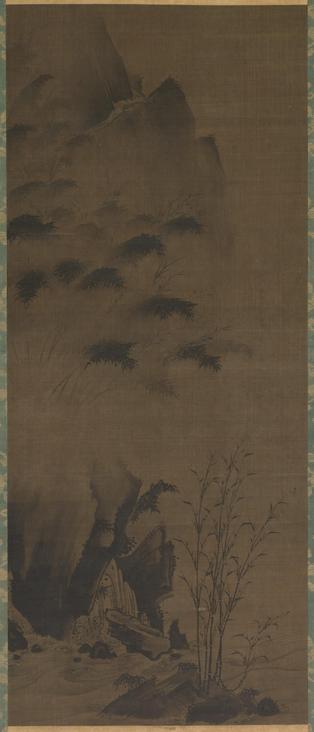
Bamboo in Rain | Cleveland Museum of Art

East Asian paintings from China, Korea, and Japan were frequently conceived as sets of multiple images. These sets might have been composed for specific palace or temple rooms, or to portray a specific theme, such as the four seasons. Over time, the original intent of such sets is often lost through damage, changes in ownership, or a variety of other reasons. <br><br>The identity of the artist can also be lost, but then, sometimes, retrieved. This pair of ink paintings has traditionally been labeled as Japanese and attributed to the 16th-century painter Genga. Since there are no seals or signature of the artist on the painting, this attribution was based on comparisons of brush style with paintings known to be by Genga. More recent study indicates that while the 16th century is an appropriate time frame for the pair, the precise cultural identity of the artist is not certain after all. The dark, eccentric shapes of the rocks and bamboo clusters and the dramatic tonal contrasts evident throughout the composition point to either Korean authorship or influence upon a Japanese painter of the period.

Appreciating the enigmatic #BambooinRain #BambooinWind at #ClevelandMuseumofArt. Origin of its creation has been a subject of debate, may it be Korean or Japanese, but its beauty remains certain. Thoughts on the cultural identity of the artist?
#ArtMystery #ClevelandArtMuseum
https://clevelandart.org/art/1975.71
Bamboo in Rain; Bamboo in Wind | Cleveland Museum of Art

East Asian paintings from China, Korea, and Japan were frequently conceived as sets of multiple images. These sets might have been composed for specific palace or temple rooms, or to portray a specific theme, such as the four seasons. Over time, the original intent of such sets is often lost through damage, changes in ownership, or a variety of other reasons. <br><br>The identity of the artist can also be lost, but then, sometimes, retrieved. This pair of ink paintings has traditionally been labeled as Japanese and attributed to the 16th-century painter Genga. Since there are no seals or signature of the artist on the painting, this attribution was based on comparisons of brush style with paintings known to be by Genga. More recent study indicates that while the 16th century is an appropriate time frame for the pair, the precise cultural identity of the artist is not certain after all. The dark, eccentric shapes of the rocks and bamboo clusters and the dramatic tonal contrasts evident throughout the composition point to either Korean authorship or influence upon a Japanese painter of the period.

Discover the enigmatic world of East Asian paintings, like the Bamboo in Rain from #ClevelandMuseumofArt 🌧️ Is it Japanese or Korean? Unravel the mystery with us! 🖌️✨
#ArtMystery #EastAsianArt #BambooInRain
https://clevelandart.org/art/1975.71.1
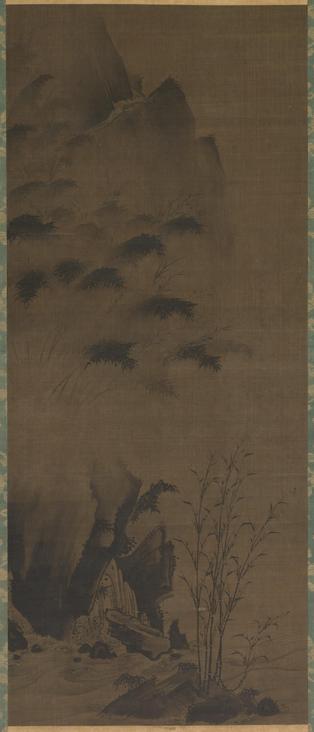
Bamboo in Rain | Cleveland Museum of Art

East Asian paintings from China, Korea, and Japan were frequently conceived as sets of multiple images. These sets might have been composed for specific palace or temple rooms, or to portray a specific theme, such as the four seasons. Over time, the original intent of such sets is often lost through damage, changes in ownership, or a variety of other reasons. <br><br>The identity of the artist can also be lost, but then, sometimes, retrieved. This pair of ink paintings has traditionally been labeled as Japanese and attributed to the 16th-century painter Genga. Since there are no seals or signature of the artist on the painting, this attribution was based on comparisons of brush style with paintings known to be by Genga. More recent study indicates that while the 16th century is an appropriate time frame for the pair, the precise cultural identity of the artist is not certain after all. The dark, eccentric shapes of the rocks and bamboo clusters and the dramatic tonal contrasts evident throughout the composition point to either Korean authorship or influence upon a Japanese painter of the period.