Canta, avias
https://www.youtube.com/watch?v=jf-quWCqU-E #elefen #auxlang #conlang #internatioanl #language #lingua

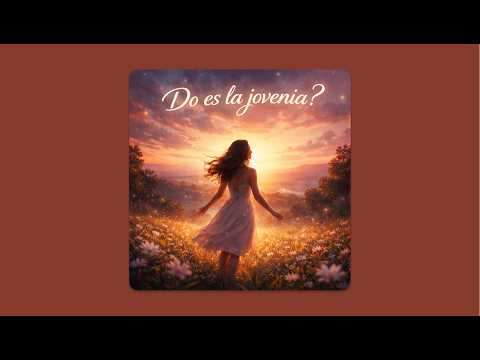
Canta, avias
https://www.youtube.com/watch?v=jf-quWCqU-E #elefen #auxlang #conlang #internatioanl #language #lingua


Go out in the world and work like money doesn't matter, sing as if no one is listening, love as if you have never been hurt, and dance as if no one is watching. —Victor Hugo
kûu li nô ilik nucoto kûu tûu misli fos munî li yôk sonkon, kûu kontol misli fos xûnyu tenkîn, kûu lîûbîk misli fos nîmû hoî xûnyu wokût li tônkô, kûu li cifulo misli fos xûnyu dêko. —umo Fîktôl Igô
#conlang #auxlang #worldlang #ConstructedLanguage #hisyeo #VictorHugo
We use math (square roots) to balance our vocabulary sources, but what happens when conflicts arise?
We prioritize the small.
If a new word source conflicts with another, the smaller language family always gets priority.
This policy lifts up underrepresented voices, ensuring that even languages that might statistically "miss the cut" find a home in our shared tongue.
Hîsyêô's vocabulary isn't random. It is sourced from world languages based on the square root of their L1 (native) speaker populations.
Why the square root? If we used raw proportions, giants like English and Mandarin would swallow the whole dictionary. The square-root method flattens the curve, preventing specific language dominance and ensuring a truly global mix.
How do you spot a name in Hîsyêô?
🔡 Latin Script: Look for the Capital Letter. It is the only time we use title case. noyo sûko yôk îskô Kôko Kôlo.
🈯 Hîsyokûî & Obûgîdo Scripts: Look for the Brackets or Chevrons. Since these scripts don't have "capital letters," we wrap names to make them stand out. ƨɀ ɐʄɔ ɀ̑ı ɽ́ɟɔı ‹ɔıɔ ɔıʓ›
Simple rule: If it's capitalized or bracketed, it's a Name!
Did you know Hîsyêô has 4 levels of agreement? 🤯
Stop just nodding your head and start using the right register:
* Casual: ko / cî
* Standard: [Repeat the Verb]
* Formal: hokîkî (It is true) / wofok (Agreed)
* Emphatic: lôîcôk (Absolutely!)
From chilling with friends to signing treaties, we've got you covered. 📜✨
We use inverted Q marks ¿like this? for tone but the grammar does the interrogating:
❓ zik (Pronoun) The universal "wh-" word. It stands in for the unknown. zik li nîmû = "Who are you?" (Lit: What/Who is you?)
✅ ko (Ender) Marks a Polar Question (Yes/No). It asks for a truth value. nîmû li xowosê ko = "Are you happy?"
🤝 cî (Ender) Marks a Proposal. It asks for agreement/consent. nûs li nô cî = "Shall we go?" / "Let's go, okay?"
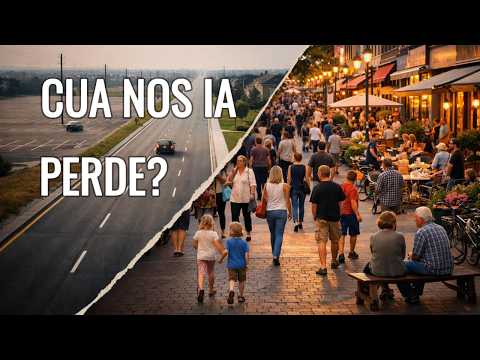
La pel de la mundo: la via de pedes libre
https://www.youtube.com/watch?v=67J1ACrVTHs #elefen #auxlang #conlang #international #language #lingua

In Hîsyêô, the particle yôk is a "constituent negator."
It goes immediately after the Preposition or Verb, but before the object phrase it negates.
noyo mokon yôk kûôxi I eat [not] fruit.
This structure mirrors older English (e.g., "I know not the man") before do-support pulled the negation forward ("I do not know...").
It keeps the negation attached strictly to the action or relationship it modifies! 🧠