
The God Who Stands Above All

The Bible in a Year

“The Lord your God is God of gods, and Lord of lords, a great God, a mighty, and a terrible, which regardeth not persons, nor taketh reward.” — Deuteronomy 10:17

As we continue our journey through Scripture, we arrive at a verse that recalibrates our entire understanding of who God is. Deuteronomy 10 is part of Moses’ final sermons to Israel. The wilderness years are nearly behind them. The Promised Land lies ahead. Before they step into blessing, Moses lifts their eyes upward. He wants them to know not merely the commandments of God, but the character of God. Right theology fuels right living.

First, we encounter the preeminence of God. He is “God of gods, and Lord of lords.” In a world filled with competing allegiances, visible idols, and subtle modern substitutes for worship, this declaration stands unshaken. The Hebrew construction intensifies the point: He is supreme over every so-called power. There is no rival throne. There is no shared sovereignty. When Scripture calls Him “Lord of lords,” it affirms absolute authority. Paul echoes this truth in 1 Timothy 6:15, describing God as “the blessed and only Potentate, the King of kings, and Lord of lords.” Our faith rests not in a regional deity or a cultural construct, but in the sovereign Lord of all existence.

As I reflect on this, I ask myself what truly governs my decisions. If He is preeminent, then my career, reputation, fears, and ambitions must submit to His rule. A. W. Tozer once wrote, “What comes into our minds when we think about God is the most important thing about us.” If my view of God is small, my obedience will be hesitant. But when I see Him as supreme, trust grows naturally.

Second, the verse highlights the prominence of God. He is called “a great God.” Our culture uses the word “great” casually—great deals, great meals, great performances. Yet Scripture reserves true greatness for God alone. The Hebrew word gadol speaks of magnitude and majesty. Psalm 145:3 declares, “Great is the LORD, and greatly to be praised; and His greatness is unsearchable.” His greatness is not hype; it is intrinsic. He does not become great because we acknowledge Him; He is great whether we recognize it or not.

When I meditate on God’s greatness, anxiety begins to shrink. My challenges may feel overwhelming, but they are not greater than God. His greatness is not abstract; it is active. He governs history, sustains creation, and shepherds His people with unwavering wisdom.

Third, Moses reminds Israel of the power of God. He is “mighty, and a terrible.” The Hebrew word translated “terrible” here is yare’, which conveys awe-inspiring majesty rather than something morally bad. It speaks of reverent fear. God’s power is not chaotic or cruel; it is awesome and righteous. He spoke the universe into being (Genesis 1). He parted the Red Sea. He fed Israel in the wilderness. Yet how often do my prayers shrink His power? I sometimes approach Him as though He were limited, as though my situation might exceed His strength.

When we grasp God’s might, worship deepens. Prayer becomes bold rather than timid. Faith becomes anchored rather than fragile. As Charles Spurgeon observed, “There is no attribute of God more comforting to His children than the doctrine of divine sovereignty.” His power assures us that nothing escapes His oversight.

Finally, we see the propriety of God. He “regardeth not persons, nor taketh reward.” In other words, He is impartial and incorruptible. The Hebrew phrase lo yissa panim means He does not show favoritism. He cannot be bribed or manipulated. Human systems often bend under influence or advantage, but God’s justice remains perfectly balanced. Acts 10:34 affirms this continuity in the New Testament: “God is no respecter of persons.”

This truth comforts me deeply. God does not treat me unjustly. His dealings are never arbitrary. Even when I do not understand His ways, I can trust His character. His judgments are pure. His mercy is consistent with His holiness. There is no shadow of corruption in Him.

As we move through this year-long journey in the Bible, this verse anchors our theology. God is preeminent over every authority, prominent in unmatched greatness, powerful beyond comprehension, and proper in flawless justice. If we align our creed with this portrait of God, our lives will gradually reflect greater reverence, trust, and obedience.

Today, let Deuteronomy 10:17 reshape your understanding of God. Allow His supremacy to quiet your fears. Let His greatness humble your pride. Trust His power in your weakness. Rest in His justice when circumstances feel unfair. For further reflection on the character of God, you may find this article helpful: https://www.ligonier.org/learn/articles/attributes-of-god

As we continue The Bible in a Year, remember that knowing Scripture is not merely accumulating information—it is encountering the living God who stands above all.

FEEL FREE TO COMMENT, SUBSCRIBE, AND REPOST, SO OTHERS MAY KNOW


#attributesOfGod #BibleStudyDevotional #characterOfGod #ChristianTheology #Deuteronomy1017 #sovereigntyOfGod
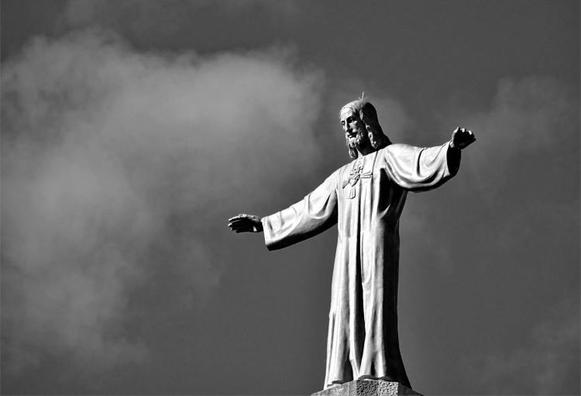

The Greatness We Can’t Outrun

DID YOU KNOW

Did You Know that God’s greatness is infinite—and yet always approachable?

Psalm 145:3 opens with a statement that could stop any worshiper in their tracks: “Great is the LORD and most worthy of praise; His greatness no one can fathom.” It is a remarkable declaration, especially when we consider how naturally we gravitate toward things we can measure, calculate, or fully grasp. Like the endless digits of Pi, which mathematicians continue to recite without hope of reaching the end, God’s greatness stretches beyond the boundaries of our understanding. And yet, unlike Pi, God does not remain an abstract concept. His infinity is relational, personal, deeply close. Psalm 145 teaches us that while God cannot be fully comprehended, He can be intimately known. This paradox becomes one of the most comforting truths in Scripture: the God who exceeds our intellectual reach still meets us at our point of need. That means your worship today is not hindered by what you do not understand—we worship because of who He is, not because we have fully grasped Him.

This truth becomes even clearer when we pair Psalm 145 with Isaiah 40:28: “Do you not know? Have you not heard? The LORD is the everlasting God… His understanding no one can fathom.” Though His knowledge is unsearchable, His heart is revealed through His works, His Word, and His Son. The Psalmist is not discouraged by God’s incomprehensibility; he is delighted by it. The inability to “reach the end” of God does not frustrate the faithful—it fuels their worship. Just as Pi enthusiasts keep reciting because there is always more to discover, so believers keep praising because God’s greatness never runs out. And unlike mathematical brilliance, the greatness of God isn’t something we must master—it is something we rest in. Take a moment today to reflect on this: You are loved by a God who can never be exhausted, outpaced, or outrun. What an anchor that becomes when life feels uncertain.

When you consider your own walk with Christ, ask yourself: do you allow mystery to draw you nearer to God, or do you allow it to discourage you? Today, let God’s infinity encourage you. Let the majesty of His greatness remind you that your faith is not built on your ability to understand everything—it is built on His ability to hold everything, including you.

Did You Know that your worship today connects you with generations before and after you?

Psalm 145:4 says, “One generation commends Your works to another; they tell of Your mighty acts.” This single truth turns worship into a multigenerational tapestry. When David penned these words, he was not merely celebrating the past—he was commissioning the future. Every time we speak of the Lord’s goodness, we become part of the transmission of faith from one generation to the next. Think about the beauty of that. Your praise, your story, your testimony, your walk with God—it becomes a link in a chain that stretches across the centuries. When children hear their grandparents pray, when a teenager watches an elderly saint worship, when a parent reads Psalm 145 aloud at the dinner table, the baton of faith is carried once again. God designed worship not only to honor Him but also to teach others what He has done.

This generational theme echoes Deuteronomy 6:6–7, which calls God’s people to impress His commandments on their children, speaking of them at home and on the road, in the morning and in the evening. Worship was never meant to be contained within a single life; it was meant to ripple outward, shaping communities and cultures, one generation at a time. Psalm 145 is the only psalm explicitly titled “A Psalm of Praise,” and it models this generational flow by celebrating God’s works in such a way that every age can join in. Whether your church gathers as a blended congregation or your family gathers around a meal, every shared moment of gratitude becomes part of this ancient invitation to pass down the knowledge of God.

Take a moment to reflect on who helped shape your faith—parents, grandparents, pastors, teachers, or perhaps friends. Then ask the Lord to show you how you can intentionally shape someone else’s. Whether you speak a word of encouragement, pray aloud, or simply show consistent faithfulness, you are carrying forward the legacy of Psalm 145:4.

Did You Know that God delights in being gracious and compassionate toward you?

Psalm 145:8 echoes one of the most repeated self-descriptions of God in Scripture: “The LORD is gracious and compassionate, slow to anger and rich in love.” This truth is not poetic exaggeration but a central declaration of God’s nature first introduced in Exodus 34:6. When Moses asked to see God’s glory, God did not respond with a display of power first—but with words about His character. He wanted His people to understand His heart before they understood His actions. David repeats this truth because it was worth repeating—not just for Israel but for every believer thereafter. God delights in showing compassion. He does not rush to anger. He is rich—overflowing—in steadfast love. These attributes are not seasonal but permanent. They are the unchanging qualities of a God who loves you with a love deeper than you can measure.

Hebrews 13:8 adds another layer: “Jesus Christ is the same yesterday, today, and forever.” That means the God David praised is the same God who walks with you today. His compassion is not dependent on your performance. His patience is not fragile. His love does not fluctuate with your mood or your failures. This makes Psalm 145 a refuge for the weary. When the world wears you down, when your own mistakes discourage you, or when fear whispers lies about God’s displeasure, this verse calls you back to the permanent truth of who He is. You are held by a God who is gracious, compassionate, patient, and rich in love. That is a truth worth meditating on every day.

Today, let this remind you to approach the Lord with confidence rather than hesitation. If He is gracious and compassionate, then you never burden Him when you come in prayer. If He is slow to anger, then you do not have to hide in shame. If He is rich in love, then you can rest in the assurance that nothing—nothing—can separate you from the affection of your Shepherd.

Did You Know that God is the true King whose Kingdom cannot fail?

Psalm 145 opens and closes with the declaration of God’s kingship: “I will exalt You, my God the King” (v. 1), and “Your kingdom is an everlasting kingdom, and Your dominion endures through all generations” (v. 13). David understood that earthly kings rise and fall, kingdoms flourish and crumble, but God’s reign is eternal. In a time when nations warred for power and rulers shifted with political tides, this declaration stood as a bold confession of trust. God is not one ruler among many; He is the sovereign King over all creation. Everything in Psalm 145 points to a God whose power is unmatched, whose authority is unquestioned, and whose reign is unending.

This theme finds its New Testament echo in Revelation 4:11: “You are worthy, our Lord and God, to receive glory and honor and power, for You created all things…” Worship is rooted in the truth that God is King—not merely of heaven, but of every moment, every nation, every human life. When David praises God “from A to Z,” he is not simply making poetic beauty; he is declaring total allegiance. He is saying that God deserves every letter of his praise, every breath, every moment. And he invites us to join him. In a world filled with uncertainty, Psalm 145 offers a steadying truth: God’s Kingdom cannot be shaken. His reign is not threatened by world events, cultural shifts, or personal trials.

As you reflect on this truth, ask yourself: where do you need to rest in God’s Kingship today? What anxieties, fears, or pressures can you lay down at His throne? Let this psalm remind you that the One who rules the universe also shepherds your heart.

As we close today’s reflection, let these truths shape your week. God’s greatness is infinite. His praise is generational. His compassion is constant. His Kingdom is unshakeable. And because of who He is, your worship is never wasted. Thank you for seeking the Lord and investing time in His Word today. It will not return void to you. May Psalm 145 strengthen your spirit and renew your confidence in the God who holds all things together.


FEEL FREE TO COMMENT SHARE SUBSCRIBE

#attributesOfGod #christianEncouragement #godsGreatness #multigenerationalWorship #psalm145Devotional

Things that might seem contradictory to us may simply be a case of us not being able to comprehend the incomprehensible. #AttributesofGod #Purpose

https://aclayjar.net/?p=27260