 Weekends in Paradelle
The Sundial of the Seasons
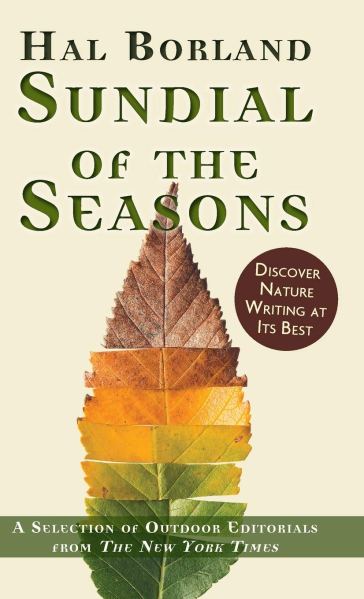
I picked up a free, used book from a cart at the park this week simply because I liked the title, The Sundial of the Seasons. I thought I might use that as a title for a poem since we will soon be turning over the spring season to summer.
I have written about the seasons a lot and sundials a few times, too. This is a book by Hal Borland. It is a year‑long meditation on the natural world. There are 365 brief essays that follow the turning of the seasons, a bit like a naturalist’s almanac. Each captures a small moment and uses it as a way into reflection on our place in the living world.
That is similar to the original reason I started my poetry site, Writing the Day, but my reflections are in the form of poems. The poem that came from that title and reading through the book is on the website.
Borland published one essay every week in The New York Times, and by the time he died in 1978, he had written 1,750 nature editorials, and the last of them was published the day before his death.
I published one poem every day the first year. I have added to those 365 poems with mostly weekly poems, and there are now almost a thousand poems.
I like this idea of a “calendar of attentiveness.” I have also moved from spring thaw, to summer fullness, autumn color and decline, and then to frost, winter, and around to spring again. Any day’s small signs are markers of cyclical time. Collected, my poems are my guide to noticing birds returning, fog settling, frost and snow changing the smell of the air.
My poems sometimes depart from the outside and nature, and go inside my home and myself. But that is also influenced by the seasons and the world outside.
The only constancy comes from within change.
I hoped the poems would move some readers to look out their own window and compare what they see, whether or not they write a poem, essay, journal entry, or just make a note on their calendar.
Following the rhythms of the natural world is an antidote to hurrying and a reminder that the Earth’s cycles continue whether or not we notice. But you should take notice.
Hal Borland (1900–1978) was a nature writer and novelist who produced numerous bestselling books, including memoirs and young adult classics, as well as decades of nature writing. Borland considered himself a “natural philosopher,” and he was interested in exploring the way human life was bound to the greater world of plants, animals, and natural processes. In researching him, I realized I had read his novel, When the Legends Die, many years ago. He also has another collection of 365 essays, Twelve Moons of the Year,
#almanacs #nature #writing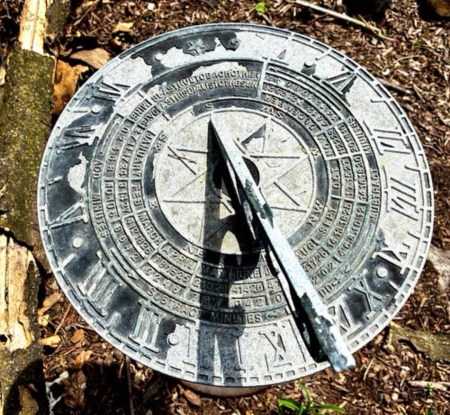
 Daniel Bellingradt
 Clayton Hove
 Richard J. Dalton
 Daniel Bellingradt