Stuck in the Filter: November/December 2025’s Angry Misses By Kenstrosity

Brutal cold envelops the building as my minions scrape through ice and filthy slush to find even the smallest shard of metallic glimmer. With extensive budget cuts demanded by my exorbitant bonus schedule—as is my right as CEO of this filtration service—there was no room to purchase adequate gear and equipment for these harsher weathers. However, I did take up crocheting recently so each of my “employees” received a nice soft hat.

Hopefully, that will be enough to tide them over until the inclement weather passes and we return to normal temps. Until then, they have these rare finds to keep them warm, and so do you! REJOICE!

Kenstrosity’s Knightly Nightmare

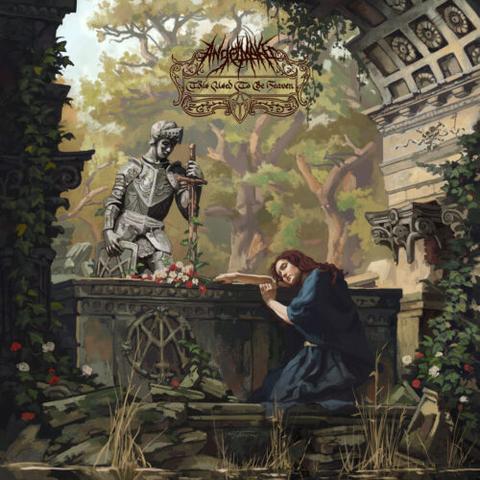
AngelMaker // This Used to Be Heaven [November 20th, 2025 – Self Released]

I’ve been a fan of AngelMaker’s since their 2015 debut Dissentient. The grossly underrated and underappreciated Vancouver septet are a highly specialized deathcore infantry, with their lineup expanding steadily over their career in concert with their ever-increasing songwriting sophistication. Unlike the brutish and belligerent debut and follow-up AngelMaker, 2022’s Sanctum and new outing This Used to Be Heaven indulge in rich layering, near-neoclassical melodies, and dramatic atmosphere to complement AngelMaker’s trademark sense of swaggering groove. With early entries “Rich in Anguish” and “Haunter” establishing the strength of both sides of their sound, it always surprises me how AngelMaker successfully twist and gnarl their sound into shapes—whether it be hardcore, blackened, or melodic—I wasn’t anticipating (“Silken Hands,” “Relinquished,” “Nothing Left”). A rock-solid back half launched by the epic “The Omen” two-part suite brings these deviations from the expected into unity with the deathcore foundation I know AngelMaker so well for (“Malevolence Reigns,” “Altare Mortis”), and in doing so secure their status as one of the most reliably creative deathcore acts in the scene. Nothing here is going to change the minds of the fiercer deathcore detractors, but if your heart is open even just a crack, there’s a good chance This Used to Be Heaven will force themselves into it, if not entirely rip the whole thing asunder. My advice is simply to let it.

This Used To Be Heaven by AngelMaker

ClarkKent’s Sonic Symphonics

Brainblast // Colossus Suprema [November 11th, 2025 – Vmbrella]

A debut album five years in the making from a band formed in 2015, Colossus Suprema is the brainchild of Bogotá, Colombia’s Edd Jiménez. Jiménez turned his passion for and training in classical composition towards his symphonic progressive act, Brainblast. With Bach as an inspiration, Brainblast’s brand of technical death metal has the grandeur of Fleshgod Apocalypse, the speed of Archspire, and the virtuosity of concert musicians. Jiménez’s classical training shows — the compositions have an orchestral feel, only played at insane energy levels. The speed, the depth, and the breadth of the instrumentation are sure to leave you breathless. Nicholas Le Fou Wells (First Fragment) lays down relentless kitwork with jaw-dropping velocity, while Eetu Hernesmaa provides technical fretwork that’ll similarly leave you awestruck. He delivers sublime riffs on “Relentless Rise” and a surprising melodic lead that steals the show on “Unchain Your Soul.” Perhaps most prominent is the virtuoso play of the bass from Rich Gray (Annihilator) and Dominic Forest Lapointe (First Fragment) that is omnipresent and funky on each and every song. To top it all off is the piano (perhaps from Jiménez), giving the music some gravitas with the technical, concert-style playing. This record is just plain bonkers and tons of fun. Given this is the debut from a young musician, the idea that Brainblast has room to grow is plenty exciting.

COLOSSUS SUPREMA by BRAINBLAST

Gods of Gaia // Escape the Wonderland [November 28th, 2025 – Self Released]

If you’ve been eagerly awaiting the next SepticFlesh release, Germany’s Gods of Gaia have got you covered. Founded in 2023 by Kevin Sierra Eifert, Gods of Gaia is made up of an anonymous collective from around the world, contributing to a dark, heavy, and aggressive form of symphonic metal. Their sophomore album, Escape the Wonderland, features a collection of death metal songs with plenty of orchestral arrangements that add a dramatic flair. Along with crushing riffs and thunderous blast beats, you’ll hear choral chants (“Escape the Wonderland,” “Burn for Me”), bits of piano (“What It Takes”), and plenty of cinematic symphonics. SepticFlesh is the obvious influence, but the grandiosity of Fleshgod Apocalypse flares up on cuts like the dramatic “Rise Up.” The front half is largely aggressive, with “What It Takes” taking the energy to thrash levels. The back half dials down the energy, even creeping to near doom on “Krieg in Mir,” but never pulls back on the heaviness. Cool as the symphonic elements are, the riffs, blast beats, and brutal vocal delivery are just as impressive. Make no mistake, this is melodic death metal above all else, with symphonic seasonings that elevate it a notch. Just the opposite of what the record title suggests, this is one wonderland you won’t want to escape.

Escape the Wonderland by Gods of Gaia

Grin Reaper’s Frozen Feast

Hounds of Bayanay // КЭМ [November 15, 2025 – Self Released]

Two-and-a-half years after dropping debut Legends of the North, Hounds of Bayanay returns with КЭМ to sate your eternal lust for folk metal.1 Blending heavy metal with folk instrumentation, specifically kyrympa2 and khomus,3 as well as throat singing, Hounds of Bayanay might sound like a Tengger Cavalry or The Hu knockoff, but you’ll do yourself a disservice by writing them off. Boldly enunciated, clarion cleans belt out in confident proclamations while grittier refrains and overtones resonate beneath, proffering assorted and engaging vocal stylings. Rather than dwelling overlong in strings and tribal chanting, the deft fusion of folk instruments with traditional metal defines Hounds’ sound and feels cohesively integrated on КЭМ, providing an intimate yet heavy backdrop to a hook-laden and alluringly replayable thirty-nine minutes. In addition to the eclectic folk influence, there’s a satisfying variety of songwriting from track to track, with “Ardaq,” “Cɯsqa:n,” and “Dɔʃɔrum” exemplifying the enticing synthesis of styles. More than anything else, Hounds of Bayanay embodies heart and fun, warming my chilly days with a well-executed platter of Eastern-influenced folk metal. Don’t skip this one, or the decision could hound you.

KEM by Hounds Of Bayanay

Blood Red Throne // Siltskin [December 05, 2025 – Soulseller Records]

I’m shoving up against the deadline to wedge this one in, but Blood Red Throne’s latest deserves a mention, and bulldozing is just the sort of thing you should do while listening to BRT’s brand of bludgeoning, pit-stomping romp. Back in December, the venerable Norwegian death metal act dropped twelfth album Siltskin, maintaining their prolific and consistent release schedule. In addition to their dependable output, BRT stays the course with pummeling, brutish pomp. In his coverage of Nonagon and Imperial Congregation, Doc Grier drums up comparisons to Old Man’s Child, Panzerchrist, and Hypocrisy, and while I’m not inclined to disagree on those points, I’ll add that Siltskin also harkens to Kill-era Cannibal Corpse in its slick coalition of mid-paced slammers, warp-speed blitzes, and fat ‘n’ frolicking bass. Add to that the sly, sticky melody from the likes of Sentenced’s North from Here (“Vestigial Remnants”), and you’ve got a recipe for a righteous forty-five-minute smash-a-thon. Blood Red Throne’s last few records have been among their best, which is an incredible feat for a band this far into their career. While Siltskin doesn’t surpass BRT’s high-water mark, it keeps up, and if you’re hungry for an aural beatdown, then Blood Red Throne would like to throw their crown into the ring for consideration.

Siltskin by Blood Red Throne

Gotsu-Totsu-Kotsu // Immortality [December 17, 2025 – Bang the Head Records]

I am woefully late to the charms of Gotsu-Totsu-Kotsu, a Japanese death metal outfit prominently featuring slap ‘n’ pop bass. Had it not been for our trusty Flippered Friend, I might have continued this grievous injustice of ignorance, but thankfully, this is not the timeline to which I’m doomed. Immortality is Gotsu-Totsu-Kotsu’s seventh album, and those who enjoy the band’s previous work should remain satisfied. For new acolytes, Gotsu-Totsu-Kotsu grasps the rabid intensity of Vader and Krisiun and imbues it with a funky edge. Meaty bass rumbles and sprightly slapped accents, provided by bassist/vocalist Haruhisa Takahata, merge with Kouki Akita’s kit obliteration to establish a thunderous, unrelenting rhythm section. Atop the lower end’s heft, Keiichi Enjouji shreds and squeals with thrashy vigor and a keen understanding of melody. First proper track “Anima Immortalis” even includes gang intonations that work so well, I wish they were more prevalent across the album. The sum total of Gotsu-Totsu-Kotsu’s atmosphere is one of plucky exuberance that strikes with the force of a roundhouse kick to the dome. Had I discovered it sooner, Immortality would have qualified for a 2025 year-end honorable mention, as I haven’t been able to stop spinning it or the band’s prior releases.4 Though I’m still in the honeymoon phase, I expect this platter to live on in my listening, and recommend you not miss this GTK killer like I almost did.

Thus Spoke’s Random Revelations

The Algorithm // Recursive Infinity [November 21st, 2025 – Self Released]

I’ve been a fan of The Algorithm since the early days, back when their electronica-djent was almost twee in its experimental joy, spliced with light-hearted samples. Over the years, Rémi Gallego has tuned his flair for mesmeric, playful compositions to develop a richer, more streamlined sound. Recursive Infinity continues the recent upward trend Data Renaissance began. With riffs and rhythms the slickest since Brute Force, and melodies the brightest and most colourful since equally-prettily adorned Polymorphic Code, it’s a cyberpunk tour-de-force. The wildness is trained, chunky heaviness grounding magnetic melodies (“Race Condition,” “Mutex,” “By Design”), dense chugging transitioning seamlessly into techno (“Advanced Iteration Technique,” “Hollowing,” “Graceful Degradation), and adding bite to bubbly, candy-coloured soundscapes (“Rainbow Table,”). The skittering of breakbeats tempers synthwave (“Endless Iteration), and bright pulses wrap cascading electro-core (“Race Condition,” “Mutex”) and orchestral melodrama (“Recursive Infinity”). It’s often strongly reminiscent of some point in The Algorithm’s history, but everything is upgraded from charming to entrancing. This provides a new way to interpret Recursive Infinity: not just a reference to an endless loop in general, but to Boucle Infinie (Infinite Loop)—Remi’s other musical project—and by extension, The Algorithm themselves. Yet he is still experimenting, including vocoder vocals (“Endless Iteration,” “By Design”) for a surprisingly successful dark-Daft Punk vibe in slower, moodier moments. With nostalgic throwbacks transformed so beautifully, and the continued evolution, there’s simply no way I can ignore The Algorithm now. And neither should you.

Recursive Infinity by The Algorithm

Owlswald’s Holiday Scraps

Sun of the Suns // Entanglement [December 12th, 2025 – Scarlet Records]

Bands and labels take heed—We reserve December for two things: Listurnalia and celebrating another trip around the sun. It is not for releasing new music. Yet this blunder persists, ensuring we inevitably miss gems like Sun of the Suns’ sophomore effort, Entanglement.5 The record dropped just as the world was tuning out for the year, and it deserves much better. Building on the foundation of their 2021 debut, TIIT, the Italian trio has significantly beefed up their progressive death formula. Mixing tech-death articulation with deathcore brutality, Entanglement ensures fans of Fallujah will feel right at home with its effervescent clean melodies and crystalline textures. Francesca Paoli (Fleshgod Apocalypse) returns to provide another masterclass behind the kit with rapid-fire double-bass, blasts, and tom fills, while guitarists Marco Righetti and Ludovico Cioffi deliver cosmic shredding and radiant solos that are both technical and deliberate. While the early tracks lean into Fallujahian songcraft and Tesseract-style arpeggios, the album shines brightest late when the group largely sheds its stylistic orbit. “Please, Blackout My Eyes” pivots toward a majestic Aeternam vibe with ethereal tech-death incisiveness, while “One With the Sun” and “The Void Where Sound Ends Its Path” hit like a sledgehammer with Xenobiotic’s deathcore grooves. Though Luca Dave Scarlatti’s vocals lack differentiation, the sheer quality of the compositions carries the weight, proving Sun of the Suns are much more than mere clones.

Entanglement by Sun Of The Suns

#2025 #Aeternam #AngelMaker #Annihilator #Archspire #Bach #BangTheHeadRecords #BloodRedThrone #Brainblast #CannibalCorpse #ColombianMetal #ColossusSuprema #DaftPunk #DeathMetal #Deathcore #Dec25 #Djent #Entanglement #EscapeTheWonderland #ExperimentalMetal #Fallujah #FirstFragment #FleshgodApocalypse #FolkMetal #GermanMetal #GodsOfGaia #GotsuTotsuKotsu #HeavyMetal #HoundsOfBayanay #Hypocrisy #Immortality #ItalianMetal #JapaneseMetal #Krisiun #MelodicDeathMetal #NorwegianMetal #Nov25 #OldManSChild #Panzerchrist #ProgressiveDeathMetal #ProgressiveMetal #RecursiveInfinity #Review #Reviews #ScarletRecords #SelfRelease #SelfReleased #Sentenced #SepticFlesh #Siltskin #SoulsellerRecords #StuckInTheFilter #StuckInTheFilter2025 #SunOfTheSuns #SymphonicDeathMetal #SymphonicMetal #Synthwave #TechnicalDeathMetal #TenggerCavalry #TesseracT #TheAlgorithm #TheHu #ThisUsedToBeHeaven #Vader #Vmbrella #Xenobiotic #КЭМ
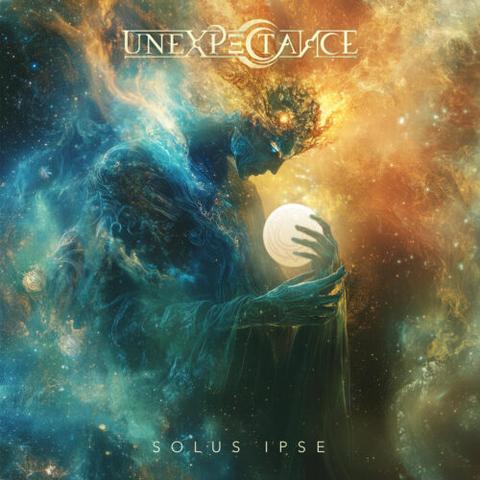
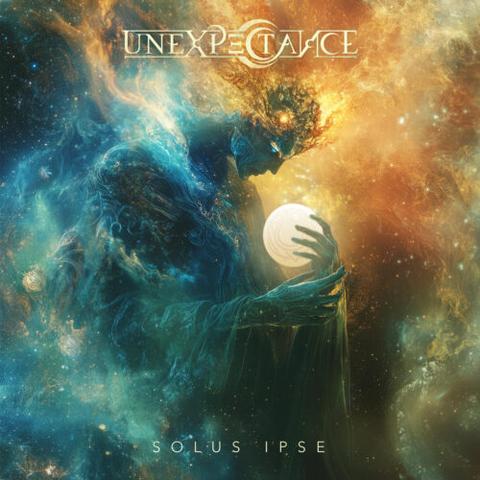
Unexpectance – Solus Ipse By Kenstrosity

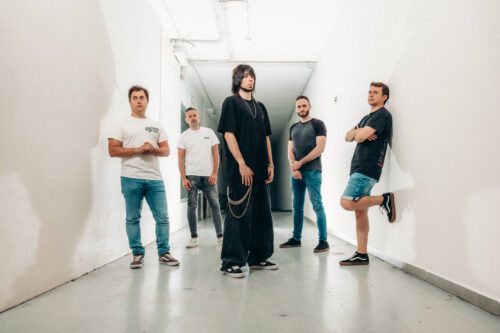
Spanish metalcore/melodeath quintet Unexpectance lived up to their name when I encountered them for the first time in 2022, boasting a remarkably meaty and riff-packed assault on their sophomore effort Vortex. After recruiting a new drummer, a new vocalist, and a new lead guitarist, their upcoming salvo Solus Ipse threatens to sound quite a bit different, despite tapping similar Dante-centric philosophical wells for its theme. This potential shift didn’t hamper my interest, however, as their chunky, groovy songwriting held up quite well over time. Considering Unexpectance’s rhythm guitarist and bassist both carry over from the last lineup, I have no reason to believe that solid backbone incurred any serious injury.

The same can’t be said for my backbone, after spending some quality time with Solus Ipse. These Spaniards still understand what it means to groove, and groove hard. While Solus Ipse certainly leans heavier into the metalcore side of Unexpectance’s sound, perhaps to its detriment especially in regards to the new higher register screams, Unexpectance still know their way around hooks, riffs, and momentum. Reeking of Orbit Culture restlessness, Aeternam-esque melodicism and verve, and embellished by ominous trem-picked leads—some of which, oddly enough, resemble those singled out refrains which made Unfathomable Ruination’s Finitude so compelling (“Hybris”)—Solus Ipse’s sycopated patterns and chunky stop-starts play companion to blistering barrages of double-bass-backed ballistics. Sealing the deal, and representing my favorite aspect of Unexpectance’s sound, the entire record is presented in Spanish, with nary a syllable of English to mar the experience. I may not understand what I’m hearing nearly as well (yet), but the effectiveness of Spanish’s cadence and character in this context is undeniable.

I also can’t deny Unexpectance’s ability to craft dynamic, crunchy, and satisfying tunes when all the pieces fall into place. Especially in the back half, Solus Ipse is a clinic in effervescent energy, crushing riffs, and rabid pacing (“Netamorpha,” “Ethos,” “Samsara,” and “Hybris”). In fact, I’d say these three attributes are Solus Ipse’s core strengths, as early highlights “Momji,” “Ataraxia,” and “Gnosis” successfully conjure the same neck-snapping momentum. Those early cuts communicate that momentum through more overt metalcore language, whereas the back end swings the pendulum a little closer to boisterous melodic death metal (“Empíreo”). Through it all, Unexpectance’s lead guitar steals the show, brilliantly weaving melodies in and out of bulky riffs and chuggy breakdowns as if they weren’t obstacles to evade, but rather partners to unite in a destructive dance (“Momji,” “Gnosis,” “Ethos,” “Hybris”).

Unexpectance’s ability to walk a tightrope between similar, but distinct, styles showcases their maturity and versatility as writers, but Solus Ipse as a whole isn’t as strong as previous efforts. The primary aspect that gets in my way of enjoying this entertaining back and forth more are, unfortunately, the vocals. I miss the greater dominance of deeper growls and mid-pitch roars that pervaded Vortex. While they feature here frequently, those higher-pitched screams—while admirably performed and brimming with piss and vinegar—feel not just more prevalent, but also much more monotonous, and thereby create a fair amount of drag. In other areas, Solus Ipse is a touch more repetitive and less cohesive, rhythmically speaking, compared to the never-ending cavalcade of twists and tempos that Vortex effortlessly wrangled. Most easily heard in opening duo, “Sophrosyne” and “Momji,” this kind of weak point forces the impression that I must choose between options to either keep or discard on future spins. I would much rather feel compelled to adopt every track.

Following up a contender like Vortex always posed a daunting proposition. Considering the various lineup changes and the 4-year gap between releases, what Solus Ipse accomplishes is admirable. Unexpectance remains an act to watch, as they routinely offer songwriting that either moves the needle for the style or holds great potential to do so with a little more massaging. A ton of great ideas populate Solus Ipse, but the overall product lacks the same consistent hype-worthy quality of the previous installment. Still, it’s worth checking out at least once, even if you aren’t necessarily a fan of the style.


Rating: Mixed
DR: 7 | Format Reviewed: PCM
Label: Self Released
Websites: unexpectance.bandcamp.com | facebook.com/unexpectance
Releases Worldwide: January 15th, 2026

#25 #2026 #Aeternam #Jan26 #MelodicDeathMetal #Metalcore #OrbitCulture #Review #Reviews #SelfReleased #SolusIpse #SpanishMetal #Unexpectance #UnfathomableRuination
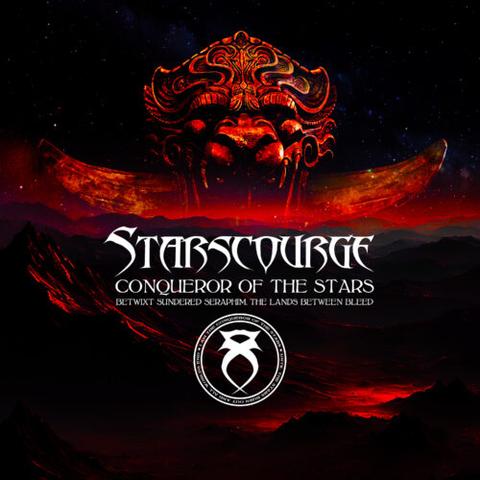
Starscourge – Conqueror of the Stars – Betwixt Sundered Seraphim, the Lands Between Bleed Review By Andy-War-Hall

Fromsoftware’s behemoth action-RPG Elden Ring is an enigma. How a game so obtuse, difficult, and uniquely itself in its visuals and storytelling became the blockbuster that it is baffles me, and it’s one of those precious pieces of art that simply makes me happy to live in the same world as it. It’s also metal as anything can be. Bands like Fell Omen have tapped into the game’s mythology for inspiration before and, now, the international blackened death duo Starscourge enter the fray with their debut Conqueror of the Stars – Betwixt Sundered Seraphim, the Lands Between Bleed. Promising serious riffage and an emphasis on storytelling, instrumentalist Zul Bharoocha (Sweden) and vocalist Mithun MK (Singapore) have already overcome one great obstacle by getting this thing made at all. But what did Starscourge achieve with Conqueror of the Stars…? I doubt you could even imagine it…

Conqueror of the Stars…’s full title is comically verbose, but it foreshadows the sheer opulent regality exuded by Starscourge. The band masterfully captures Elden Ring’s demi-deific power struggle through massive riff-craft supported by extravagant (synth) orchestration and choir. “Ranni’s Requiem – A Night of Black Knives” imposes regal grandiosity through overwhelming choirs and guitar leads, while the weight with which “The Battle of Aeonia” heaves itself feels genuinely symphonic. “Athwart Hereditary Taint, Thence Doth the Valkyrie Ride” wields a wonderful balance of airy dueling guitars and piano and blistering, throat-shredding black metal, standing in contrast to the maniacal, overtly evil decadence of “Together, My Serpentine Valentine” immediately following. Even the Slayer cover “Spirit in Black” sounds opulent, imbuing MK’s Araya impersonation with the arrogant pomp suited to a Golden Order lord of Elden Ring. If you like your metal as haughty as it is heavy, Starscourge is your band and Conqueror of the Stars… is your album.

Athwart Hereditary Taint, Thence Doth The Valkyrie Ride by Starscourge

Conqueror of the Stars… may reek of vainglory and overwriting, but don’t be fooled: Starscourge are exhilarating. Bharoocha’s riffs tap into the fullest majesty of black metal (“The Shattering”) and melodeath’s sharpest hooks (“I Am the Starscourge”), even indulging in NWOBHM-isms on “The Battle of Aeonia.” MK’s growls resemble a mix of Aeternam’s Achraf Loudiy and Lamb of God’s Randy Blythe, while his cleans recall both Borknagar’s ICS Vortex and, when he breaks out the falsettos, King Diamond. Conqueror of the Stars… rages from start to finish,1 whether by propulsive chops on “Whereunto Frenzy Beckoneth” or furious tremolos on “Destiny’s Dastardly Dynasty,” and Bharoocha’s leads and solos approach Moonlight Sorcery levels of show-off-ness in their technicality (“Blessings Upon the Golden Throne”). Starscourge also prove expert editors, as everything but “The Battle of Aeonia” sits tight at three to four minutes of no fat, all muscle goodness.2 Starscourge could’ve afforded to put on some weight, as both “Blessings Upon the Golden Order” and “I Am the Starscourge” end somewhat anticlimactically. Like Elden Ring, Conqueror of the Stars… brings the goods in great quantity without resorting to padding.

But there’s no avoiding Starscourge’s Achilles heel: insistence upon voice acting. Opener “Betwixt Sundered Seraphim…” sees Starscourge read off one of Elden Ring’s trailer scripts in an unconvincing Shakespearean inflection over boring synths, failing to either achieve the dramatic pulse of the original read or excite the listener. This is the least offensive spoken word moment on the album, however, because it at least doesn’t distract from a good instrumental. Too often, a bruising riff (“Destiny’s Dastardly Dynasty”), half a solo (“The Shattering”), or a slow build-up (“The Battle of Aeonia”) is buried under cringey monologue that doesn’t immerse the listener into the story any better than a compelling instrumental could’ve. Given voice acting’s prominent role in Conqueror of the Stars…, it’s clear that Starscourge think of it as an integral factor of their style. I don’t. It’s boring, a bit silly, and stands in conflict with the rest of the music. Conqueror of the Stars… is already an engrossing, deeply dramatic record without it, so why insist upon it?3

But even with Starscourge’s voice acting woes, not to mention less-than-thrilling mixing and mastering,4 Conqueror of the Stars – Betwixt Sundered Seraphim, the Lands Between Bleed is a monumentally entertaining record. Both grandiose and lean, the few but notable hiccups this album has just barely held my hand from shattering the Score Safety Box one last time this year. Whether you abide by the frenzy of black metal or live in death, or just really like Elden Ring, Conqueror of the Starsis an easy recommendation. Bear witness!

Rating: Very Good…
DR: 6… | Format Reviewed: 320 kbps MP3…
Label: Self-Release…
Websites: facebook.com/official.starscourge | starscourgeofficial.bandcamp.com
Releases Worldwide: December 19th, 2025…

#2025 #35 #Aeternam #BlackenedDeathMetal #Borknagar #ConquerorOfTheStarsBetwixtSunderedSeraphimTheLandsBetweenBleed #Dec25 #FellOmen #InternationalMetal #KingDiamond #LambOfGod #MoonlightSorcery #Review #Reviews #SelfReleased #Slayer #Starscourge

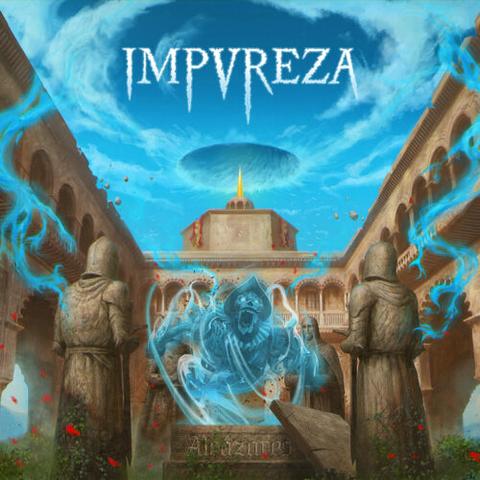
Impureza – Alcázares Review

By Angry Metal Guy

Founded in 2004 by guitarist Lionel Cano Muñoz (of Spanish descent, but born in Orléans, France), Impureza is based in France but fully embraces Spanish heritage in both concept and execution. Jokingly called the “French Nile,”1 Impureza blends extreme, brutal death metal with rich cultural motifs and flamenco. Alcázares marks Impureza’s third full-length album in 15 years. The album continues the band’s legacy of high-concept releases, following La Iglesia del Odio (2010, an Inquisition-themed album) and La Caída de Tonatiuh (2017, an Aztec Conquest-themed album).2

Conceptually, Alcázares is based around the Reconquista, a centuries-long conflict between Christian and Muslim forces that started in the 8th century, following Tariq ibn Ziyad’s conquest of the Visigothic Kingdom in 711 and the Battle of Covadonga (in ~722) and ending in 1492 with the establishment of the Catholic Monarchs.3 Alcázares means “fortresses” or “palaces.”4 The word is derived from Arabic, “al-qaṣr” (ٱلْقَصْر),5 which means the same. As with many things on the Iberian Peninsula, like flamenco itself, the tension at the heart of Alcázares is between cultures, faiths, and empires—specifically between Islam and Christianity, the Moor and the Castilian. Symbolically, the title evokes the contested strongholds of medieval Spain: places of siege, destruction, religious power, and shifting dominion between Muslim and Christian empires.

Seven years have changed and improved Impureza. At its core, their sound is best evoked by invoking two excellent bands: Vidres a la Sang and Æternam.6 2017’s La Caída de Tonatiuh was replete with the blasty, brutal ’90s style death metal (à la Vidres a la Sang), a sound near to my heart and that in a lot of ways has receded in the modern death metal landscape. Alcázares doesn’t shy away from this sound. If you needle drop anywhere in the 49 minutes of music on Alcázares, you are likely to land within a minute of blast beats, guttural vocals, and trem-picked, harmonized guitars. The Nileesque brutality sets down the deepest root of their sound, but the tree has also flowered over the years.

Where La Caída de Tonatiuh felt like the tale of two records, Alcázares feels unified. Having backed away from single-minded br00tality, Impureza does a better job of integrating the different flavors of their sound. The real innovation is that they have discovered dynamics. More clean vocals (“La Orden del Yelmo Negro,” “Castigos Eclesiásticos”), better use of integrated acoustic guitars (“Pestilencia,” “Castigos Eclesiásticos”), and the strong melodic content of flamenco—still bearing the history of MENA influences—evokes Æternam’s last two records and even at times Melechesh. For me, this is a perfect blend of brutal and melodic. I love the growls, the anthemic cleans, the fretless bass (“Ruina del Alcázar”), and the tightly integrated feel.

Integration of flamenco and metal is not easy. This is because these two genres of music are fundamentally quite different. Said differently, flamenco is progressive as fuck. It uses a 12-beat cycle,7 where accents fall unpredictably (on beats 12, 3, 6, 8, 10), rather than on typical downbeats.8 Additionally, these cycles blend note-groupings of 2s and 3s (hemiolas), which create shifting accents and internal tensions. I can only imagine that this is genuinely tough to integrate into metal, which operates in 4/4 or 3/4 or, when we’re feeling particularly saucy, 7/8. So, while some moments here threw me at first—seeming messy or chaotic, almost like a band that wasn’t playing in time (for example, on “Santa Inquisición” and “Pestalencia”)—I realized that what I was hearing was the sound of innovation and adventure.

In addition to compositional innovations and refinements, Alcázares benefits from notably improved production. The mix is cleaner, clearer, and better balanced than their previous album, allowing each element—flamenco, cleans, and death metal—to find its place without overpowering the others. It’s probably too loud, but it is never muddy. The guitars shimmer when needed and crush when they must. The bass is visceral and perfectly matched with the drums, and though they sound crushed and a bit mechanical—it is Jacob Hansen, after all—they punch through with precision. Everything feels tighter, more refined, and integrated in a way that I genuinely love.

Impureza has an Orphaned Land-like quality of disappearing and then reappearing to remind you of just what you were missing. Alcázares is Impureza at their most ambitious: historically immersed, sonically expansive, blasphemous, and, well, super into the (alternative) histories of colonialism. Alcázares is a violent, poetic invocation of Spain’s medieval imagination, and it sports an enchanting vibe that recalls some of the best records I own. Seven years of development resulted in a record full of tight riffs, beautiful guitar work, and intense compositions, and they somehow managed to work a Necromancer into a historical concept album (“El Ejército de los Fallecidos de Alarcos”). I would say that I hope to see something from them soon, but I’m happy to wait another seven years for another record of this quality.

Rating: Very Good!
DR: 7 | Format Reviewed: 320 kb/s CBR MP3
Label: Season of Mist
Websites: impureza.bandcamp.com
Release Date: July 11th, 2025

#2025 #35 #Aeternam #Alcázares #DeathMetal #Flamenco #FleshgodApocalypse #Impureza #Jul25 #LaCaìdaDeTonatiuh #Melechesh #Nile #VidresALaSang

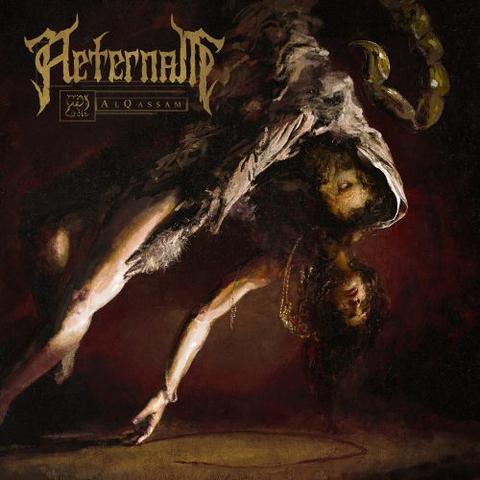
Like most days, today is a good day to listen to Aeternam, symphonic/folk death metal with an oriental touch from Québec, Canada. #NowPlaying the wonderful album Al Qassam 😊

bandcamp link:
https://aeternam.bandcamp.com/album/al-qassam

album.link:
https://album.link/i/1499215149

FFO: Orphaned Land

#Music #Metal #SymphonicDeathMetal #FolkDeathMetal #OrientalMetal #Aeternam

Al Qassam, by Aeternam

9 track album

Aeternam

Aujourd'hui sur Blog à part –

Aeternam: Heir of the Rising Sun

Le 29 mai 1453, la ville de Constantinople est prise. C’est cette histoire que vient nous raconter Aeternam, dans cet album Heir of the Rising Sun.

#Aeternam #conceptAlbum #deathMetal #metalSymphonique #MoyenOrient #Québec

https://wp.me/ppneF-bgy

Aeternam: Heir of the Rising Sun – Blog à part

Le 29 mai 1453, la ville de Constantinople est prise. C’est cette histoire que vient nous raconter Aeternam, dans cet album Heir of the Rising Sun.

Blog à part

More people should listen to Aeternam! So, here's an album by Aeternam, that I don't think I've posted yet - Heir of the Rising Sun, released in 2022 🤘🏼

It's on bandcamp here:
https://aeternam.bandcamp.com/album/heir-of-the-rising-sun

#Music #Metal #SymphonicDeathMetal #OrientalMetal #Aeternam

Heir of the Rising Sun, by Aeternam

9 track album

Aeternam

Octoploid – Beyond the Aeons Review

By Kenstrosity

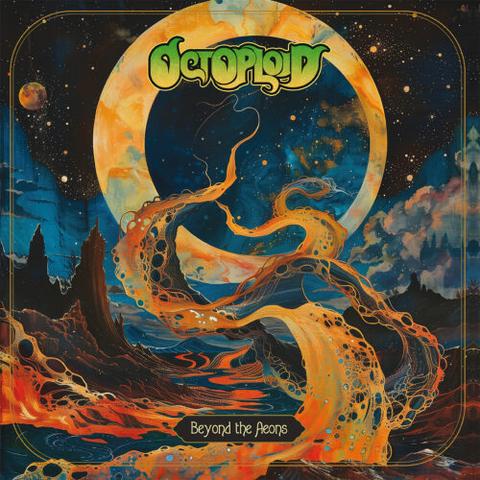
Let’s play a little game, shall we? If I put a gun to your head, and it’s a big deadly gun, what genre would you guess Finland’s Octoploid play based on the album artwork alone? Yes, I know the genre tags are right under the title of this article. I assume nobody reads those. Anyway, my first assumption viewing the artwork was stoner sludge. I couldn’t have been farther off, and that excited me beyond reason. I had to check it out. Pronto. Immediately after smashing the play button on their debut record Beyond the Aeons, I reveled in absolute joy to discover the deceptive artwork was as much a red herring as I had hoped!

Featuring members of Amorphis, Barren Earth, Mannhai, and Death Mex, Octoploid flex a wide array of music muscles that I don’t normally expect to work together. Progressive melodic death metal at its core, Beyond the Aeons evokes notes of Vulture Industries, Amorphis, Kull, Amon Amarth, Blind the Huntsmen, and In Mourning without outright mimicking any of their respective sounds. Additional, subtle threads of surf rock, pirate metal, and psychedelia brighten the record with whimsical vibrancy as well. In total, Beyond the Aeons feels like an eldritch adventure with all of the fun and none of the horror. Striking an assortment of moods ranging from righteous adventurism (“Human Amoral”) to pensive introspection (“Concealed Serenity”) and everything in between (“The Hollowed Flame”), Octoploid’s debut plays like a concept album, brimming with songwriting dynamics and intriguing twists.

Everything successful about Beyond the Aeons lies in its thoughtful and unexpected details. Opener “The Dawns in Nothingness” takes notes from Vulture Industries’ lead guitar melodies and transmogrifies them into a melodic death metal context, while dramatic organs and Gregorian chants deftly shift the mood of the song in the second half to something darker and more mysterious. Surf rock aesthetics, combined with Kull’s and Amon Amarth’s adventurous spirit, fantastic leads and solos, 80s synthwork, a delightful “la la la” introduction, and a light hit of psychedelia, merge in album standout “Human Amoral.” Delightfully twangy lead guitars and just the right amount of progressive oddities and killer riff passages tie each and every idea together wonderfully here. Simply put, it’s one of the most fun melodic death metal jams of the year. Leaning even harder into progressive metal territory and exploring a meditative side to Octoploid’s sound, “The Hallowed Flame” represents a fascinating combination of Blind the Huntsmen’s intelligent construction, Eternal Storm‘s emotional drama, and Vulture Industries’ sultry grooves. Thankfully, I don’t leave this experience despondent, thanks to closing hit “A Dusk of Vex.” Its high-energy swagger ends the record with a sort of exuberance that motivates me to hit that replay button right away, just so I can experience the whole journey again knowing I’ll get to jig with “Dusk in Vex” one more time on my way out.

Everything unsuccessful about Beyond the Aeons lies in missed opportunities. The most obvious example of this drawback, interlude “Beyond the Aeons” could’ve been a gorgeous psychedelic palette cleanser between Beyond the Aeon’s two acts. Alas, it merely jams for a brief minute before moving on. “Concealed Serenity,” coming in near the end of the runtime, lacks a compelling musical backbone to carry its somber weight. It could have been a beautiful way to further develop the smooth transition into more mournful territory introduced by “The Hallowed Flame,” but sullies the opportunity with lackluster riffs and a weak chorus. Musically, “Coast of the Drowned Sailors” and “Shattered Wings” constitute excellent pieces of whimsical death metal with righteous guitar shreddery and killer grooves, but the vocals in these tracks don’t quite clear the same high bar. Competent and well-fitting though he is, Octoploid’s vocalist had an opportunity to take more or greater risks for an even bigger payoff in these numbers. He just didn’t take them. Lastly, Beyond the Aeons is loud. Well-mixed, but loud. I would’ve enjoyed the record even more if the engineers traded in a bit of compression for an airier soundstage that allowed its multitudinous layers to breathe with even greater vitality.

Despite my critiques, I am unreasonably excited by Octoploid’s debut. It represents a side of the melodic and progressive death metal scenes that I don’t hear often, and I want so much more. Beyond the Aeon is professional, whimsical, immense fun, and dynamic to boot. That’s a rare combination. If you’re looking for something familiar, but different, Beyond the Aeons is the album for you!

Rating: Good!
DR: 5 | Format Reviewed: 320 kb/s mp3
Label: Reigning Phoenix Music
Website: facebook.com/octoploidmusic
Releases Worldwide: July 5th, 2024

#2024 #30 #Aeternam #AmonAmarth #Amorphis #BeyondTheAeons #BlindTheHuntsmen #DeathMetal #EternalStorm #FinnishMetal #InMourning #Jul24 #Kull #MelodicDeathMetal #Octoploid #Opeth #ProgressiveDeathMetal #ProgressiveMetal #PsychedelicRock #ReigningPhoenixMusic #Review #Reviews #SurfRock #VultureIndustries

Octoploid - Beyond the Aeons Review | Angry Metal Guy

A review of Beyond the Aeons by Octoploid, available July 5th worldwide via Reigning Phoenix Music.

Angry Metal Guy

AMG Turns 15: Angry Metal Guy Himself Reflects on 15 Years of AngryMetalGuy.com

By Angry Metal Guy

In 2009, when I started AngryMetalGuy.com, I had absolutely no serious intentions for it. I had finished my senior year of university while abroad in Sweden, and I had met someone in the lovely city of Umeå.1 We had moved in together, but finding work was proving difficult given my degree in sociology and my lack of Swedish skills. And so, I had a lot of time on my hands and not a lot of money. Needless to say, access to new music was a matter of concern for me, because I couldn’t afford it. Domestically, the Swedish government was coming down hard on piracy—or trying to—and I got a bit spooked by the whole thing because I wasn’t even a permanent resident at the time.

Fortunately, I had a few things going for me. I had a rudimentary understanding of websites and web design because of the stuff I had done for my band (and others) in the early 2000s. I had a label contact at Napalm because of the work that I had done for Vintersorg. I had experience as a reviewer from years earlier, which was a pretty formative experience for me, and where I had cut my teeth on reviews with bands like Orphaned Land and Disillusion. I tended to write lengthy reviews and had a deep and abiding love of list-making. And, yes, being a young man, I had boatloads of unearned confidence.2

The most important of the things I had going for me, however, may have been that I had no more serious intentions for AngryMetalGuy.com than gaining access to the labels from whom I wanted to receive promotional materials. Some people might think that sounds bad, but I don’t think that this is something that should be taken as a negative. When I think back, I think it was key to the website’s success.3 This nonchalance gave me the freedom to quickly stop trying to imitate news websites like Blabbermouth. It gave me the latitude to write negative reviews without fear of losing advertising dollars. And it made it easier to do what I wanted; writing the occasional rant, doing the occasional interview, and writing long-form music reviews. While focusing on reviews was not a driver of traffic early on,4 I also had no desire to monetize AMG. And, in my estimation, it was that authenticity that attracted loyal readers and, eventually, loyal writers.

AngryMetalGuy.com became synonymous with authentic, high-quality reviews. The Angry branding, which had been rooted in a joke that had little to do with my actual personality at the time,5 seemed to grant me a certain bit of leeway for my initially naïve belief that the reviewing game was, in fact, about giving honest appraisals of music. And while such naïveté has cost us label access—here’s looking at you, Nuclear Blast—this helped to make AMG the website that it has become. And I wouldn’t trade that for anything, especially access. Additionally, as I added writers, worked hard to help people learn to write, and began thinking about music reviews as an editor, I began to refine my own style and a style that we teach to new writers. Over time—and with a metric ton of further education—I have become more like the writer that I had imagined myself to be when I started AMG.

My involvement in AngryMetalGuy.com has waned, to my frustration, and, of course, inevitably. The fact that my involvement is a bit of a punchline in recent years is funny like a tough guy nickname—you know, those guys who call you Simba because your uncle killed your dad or Univision because you’re blind in one eye—funny because it’s true, but also ouch. And this becomes clear when reading through the reflections of the staff; the newer a writer is, the less likely they are to mention my influence. And yet, as bittersweet as that is, I am so happy at the consistency—and consistently increasing quality—of the staff here over the years. We’ve been able to continually recruit impressive people and excellent writers whose tastes fill out the topography of the scene in ways that are necessary to keep AngryMetalGuy.com both relevant and diverse. And yet, we never skimp on quality. The group who writes here is deep and accomplished, and I am so proud that they represent AMG today.

Fifteen years later, here I still am. I’m still The Angry Metal Guy. I’ve wondered over the years, when I’ve been struggling with keeping up, why I’m unwilling to just let go of AMG. But it’s not a mystery. The reality is that AMG is me, and I am AMG. And yet, as you’ve seen over recent weeks, AMG isn’t just me. AMG is a community of writers and readers who have worked together to create the best reviewing site in the world. We have collectively given so much more to the scene than I could ever have imagined when I registered the website all those years ago. Of course, that’s due to the dedication of the staff, the editors, and my long-time partner in crime Steel Druhm.6 Our longevity and strength show that AMG will live on, because this site, this community, and all its readers—those who read every day and those who pass on through—get so much from it. And yet, there’s so much more to give.

Here’s to another 15 years!

AMG Gave to Me …

The thing that AMG has given to me that I doubt that I would have found my way to on my own has been unsigned bands. As a supporter of the scene and musician, I would like to believe that I would have been supportive of local bands, even if I weren’t involved here. Yet, the access to things I wouldn’t have heard—and the ability to raise them for others to hear and love them as I do—is something I wouldn’t have had without AMG. In recent years, I have taken all the more comfort in independent bands. While I am a believer in the importance—necessity, even—of labels for bands to have sustained success in the world of metal, the quality of independent releases has been very high during the last decade. And even when labels are passing on things that won’t sell, there’s still a wealth of great releases that have landed on my plate and my life is better for it.

Wilderun // Veil of Imagination [2019-11-19 | Self-release] — The most obvious example of this is Wilderun. While they ended up signed to Century Media eventually, their sophomore and junior releases were both independent and they were both excellent records, which demonstrated the kinds of chops that unsigned bands shouldn’t be expected to have. These records both made my life so much richer at times when I didn’t always feel like the metal scene, as represented in my promo inbox, was cutting it for me. And while my love for Wilderun has also become a punchline, the reality is that I am not ashamed of going to bat so hard for a band that I truly love.

Aeternam // Al Qassam [2020-03-27 | Self-release] — Like Wilderun, Aeternam has become a mainstay in my rotation. Unlike Wilderun, my initial exposure to them was their debut album, which had been optioned by Metal Blade, but the band was dropped following its release. While the band’s earliest material is not as strong as their later releases,7 it’s been fun to watch Aeternam develop through the years to become one of the best orchestral and melodic death bands active today. Their composition is fantastic and their records sound great. And Al Qassam also happened to be Record o’ the Month when we started with the new layout, so it also holds that special place in my heart. I’m happy to stan these guys for years to come.

Trials // This Ruined World [2015-07-24 | Self-release] — The first time I became aware of the Angry Metal Bump™ was when I was told by then-colleague Mark Sugar (AKA Dr. Fisting) that we had pushed Trials from the red into the black because of our coverage of This Ruined World. And, while I am a genuine fan of Black Sites, Sugar’s follow-up to his late-modern thrash attack known as Trials, This Ruined World holds such a special place in my heart. The album is raw and it’s weird, and endlessly hooky. It has a trashy production that’s charming as hell and which gives it a unique sound. But it wasn’t just the production that was charming. Sugar and guitarist Ryan Bruchert tag-teamed the solos throughout the album, naming them things like “Gremlins II” and “Tango and Thrash,” and these are some real highlights; creative, fun, and super memorable. There’s a vitality to Trials’ final record that, nearly 10 years on, makes it my favorite modern thrash record by a country mile.

The foregoing three albums are hardly alone. Absolutely killer bands, like Xoth, Lör, Dreamgrave, Dialith, and Carnosus, enriched my life before they signed record deals. And I would almost certainly never have heard of them without the promo bin at AMG or the other writers who are constantly delving into the depths to cover the very best that the scene has to offer—no matter where it’s from. And, on that note, there is so much music that I never would have discovered if not for the other writers. Part of the reason for expanding AngryMetalGuy.com over the years has been that we can’t keep up with all the promotional materials we receive. I just don’t have the ears or the time to listen to, never mind write about, everything I want or need to—now more than ever. But I frequently receive messages from the Angry Metal Persons telling me what to check out, and we have a community of commenters who are keeping us up to date with the things that even we miss. That is a great privilege that AMG has given me.

I Wish I Had Written …

There are two key answers to this one. First, I wish that I had written more. During recent years, I have been too far away from AMG as an entity and as a person. I reflect often upon the fact that I don’t have relationships with newer writers and readers that are similar to the ones I had in the past. That sucks. So, when I think about what I wish I had written, it’s hard not to answer: everything. I wish I had been the one to cover a critical mass of records and bands that I just haven’t had the time or the energy to cover. Not because we didn’t do it well, but because it would have been nice to be able to do it myself.8

More concretely, though, The Ocean Collective’s brilliant Pelagial. Noctus was a guy who wrote for us and who had taste I didn’t find that agreeable. He loved long, slow, and simplistic albums about which he could write long, slow, and baroque reviews. But it was good to have a countervailing opinion and diversity in the camp at the time, and we may very well not have covered Pelagial if he hadn’t snapped it up. This album stands as one of the testaments to the strength of iconic composition in the history of AMG. The fact that Pelagial hits so hard not once, but twice, because both versions of it—bevocalized and unbevocalized—are killer, makes it one of the best things I own to this day. And that’s without mentioning that the art is gorgeous and the packaging was next level. I wish I had been able to afford the vinyl they released at the time because it was truly a special boxed set. Pelagial got a 4.0 at the time. By the end of the year, I would have given it a 4.5. Today, I think it’s an unquestionable 5.0.

I Wish I Could Do Over …

If I could do it all again, I would get rid of scores.

I’m not sure how I would replace them. Either I would switch to a thumbs up/thumbs down kind of system, so that the lazy among us could still look at the thumb and decide what to read,9 or I would just get rid of them altogether. I see scores as a disservice to bands and fans alike. Scores are fundamentally subjective and yet promise objectivity. But, of course, it’s impossible to quantify something that doesn’t have quantifiable aspects and one’s impressions of music are often contextualized by one’s life context in ways that make scores variable for the person giving them over time. Yet, scoring implies that there should be intersubjectivity between reviewers and even review websites, but we all know that a M*tal T*mple 10/10 is an AMG 3.0/5.0. And sure, that 5.0 moment is great for bands.10 But every 3.0 that one writes where one is saying “Yeah, I like this! Check it out!” is interpreted by readers and bands alike as “This is fucking trash, throw it on the fire!” That’s a waste. Would AMG be the same without scores? I don’t know. Maybe Druhm would never have reached out to me to work at a place without them. Maybe the labels wouldn’t have taken me as seriously. What’s done is done. But the more I think about review scores, the dumber I think they are.

In terms of things I’ve written, I feel like I have few regrets. That said, having excised that stupid fucking Linkin Park apologetics post was one of the best moments of my life, and that thing should never have been written to begin with. Linkin Park sucks. Nostalgia is not quality; it’s nostalgia. I nostalgia early Biohazard records, but it doesn’t mean that they were good. We’ve reached the time when we’re getting a lot of “nü metal was good actually” nostalgia takes because people listened to it, and it was a gateway into better music. You don’t have to apologize for having listened to it—there are no guilty pleasures, and there are bands like System of a Down and other bands that have now been labeled ‘alternative metal’ that I think offered something different and fun—but neither do I need to accept the corporate board approved, major-label-A&R-guy-connected, darlings of MTV2 as having made a valuable contribution to the metal scene as covered by AngryMetalGuy.com. Because it didn’t.

I Wish More People Had Read …

I have wrestled with this question and I don’t have a great answer. I guess what I wish is that bigger labels would understand the nature and value of Angry Metal Guy. And so, I wish more industry people had read what is always my most popular post of the year: The End o’ Year List. In these, I discuss the growing nature of our reach, our stats, and how the things we review gain traction. I wish that these people understood the power of our staff and of you, the reader. The fact that you read so diligently and that you show up when we endorse stuff—and even when we don’t, often to tell us that we should have—is what makes this place so special. And yet, it seems like labels and PR firms have yet to truly take stock of this because we don’t play the same kind of commercial game that ‘proper’ magazines do.

Maybe it’s a question of math. As Friend o’ the Blog Matt Bacon has said, a PR company that gets you into Decibel isn’t always doing you a favor if you’re the smallest band there, because you’re competing with Iron Maiden and shitty nü metal retrospectives. Whereas, Angry Metal Guy readers and writers are operating at a different level of the scene and, as Matt has said, even our negative reviews are positives in terms of streams and purchases for bands.

And yet, it’s hard to believe that at 15 years, I still have to call out Nuclear Blast for treating us like we’re on Blogspot. I wrote a rant in 2012 called “On Things That Make Being Angry Metal Guy Hard” and I remember a PR intern at a Metal Major Label saying to me, basically, “Hey, I saw your post and I am pointedly not mentioning it to my bosses.” As streaming has proliferated, even the idea of getting individual promos for new albums has started to dwindle. There’s this idea that the compensation of free 320 kb/s mp3s of the thing we’re reviewing—and thus promoting—is too much to ask. In so many ways, the things I wrote then—which, I must admit, were very angry—are worse now than it was. Labels embargo us, in spite of our reach and quality, and they farm out work to others without concern for how it affects reviewers to be dealing with a new PR firm every six months. And then they can’t even bother to give us Yum Codes or higher quality downloads in good time for review.

I wish people would read the summaries of our statistics and sympathize a bit more with the plight of the independent reviewer. There’s no reason why we should have anything other than pretty much full access to the industry, given both our quality and reach, and your dedication to making us look awesome.

What I Wish for the Future of Angry Metal Guy …

A lot more Angry Metal Guy, in all senses.

#2024 #Aeternam #AMGTurns15 #BlackSites #BlogPost #BlogPosts #Carnosus #Dialith #Lör #TheOcean #Trials #Wilderun #Xoth

AMG Speaks: On Turning 15

The Big Man Himself waxes nostalgic about the only thing he's ever done well in his life.

Angry Metal Guy
Mozart: Requiem in D Minor, K. 626 - I. Introitus. Requiem aeternam

YouTube