Diabetes following SARS-CoV-2 infection: Incidence, persistence, and implications of COVID-19 vaccination. A cohort study of fifteen million people.
Background Type 2 diabetes (T2DM) incidence is increased after diagnosis of COVID-19. The impact of vaccination on this increase, for how long it persists, and the effect of COVID-19 on other types of diabetes remain unclear. Methods With NHS England approval, we studied diabetes incidence following COVID-19 diagnosis in pre-vaccination (N=15,211,471, January 2020-December 2021), vaccinated (N =11,822,640), and unvaccinated (N=2,851,183) cohorts (June-December 2021), using linked electronic health records. We estimated adjusted hazard ratios (aHRs) comparing diabetes incidence post-COVID-19 diagnosis with incidence before or without diagnosis up to 102 weeks post-diagnosis. Results were stratified by COVID-19 severity (hospitalised/non-hospitalised) and diabetes type. Findings In the pre-vaccination cohort, aHRS for T2DM incidence after COVID-19 (compared to before or without diagnosis) declined from 3.01 (95% CI: 2.76,3.28) in weeks 1-4 to 1.24 (1.12,1.38) in weeks 53-102. aHRS were higher in unvaccinated than vaccinated people (4.86 (3.69,6.41)) versus 1.42 (1.24,1.62) in weeks 1-4) and for hospitalised COVID-19 (pre-vaccination cohort 21.1 (18.8,23.7) in weeks 1-4 declining to 2.04 (1.65,2.51) in weeks 52-102), than non-hospitalised COVID-19 (1.45 (1.27,1.64) in weeks 1-4, 1.10 (0.98,1.23) in weeks 52-102). T2DM persisted for 4 months after COVID-19 for ~73% of those diagnosed. Patterns were similar for Type 1 diabetes, though excess incidence did not persist beyond a year post-COVID-19. Interpretation Elevated T2DM incidence after COVID-19 is greater, and persists longer, in hospitalised than non-hospitalised people. It is markedly less apparent post-vaccination. Testing for T2DM after severe COVID-19 and promotion of vaccination are important tools in addressing this public health problem.
### Competing Interest Statement
NC is compensated by AstraZeneca for membership of Data Monitoring and Safety Committees for clinical trials. The other authors report no conflicts.
### Clinical Protocols
<https://github.com/opensafely/post-covid-diabetes>
### Funding Statement
This study was funded by the COVID-19 Longitudinal Health and Wellbeing National Core Study, funded by the UKRI Medical Research Council (MC\_PC\_20059); the COVID-19 Data and Connectivity National Core Study, funded by the UKRI Medical Research Council; and by the CONVALESCENCE long COVID study, funded by the UK National Institute for Health and Care Research (COVID-LT-009). This work was also supported by Health Data Research UK, which is funded by the UK Medical Research Council, Engineering and Physical Sciences Research Council, Economic and Social Research Council, Department of Health and Social Care (England), Chief Scientist Office of the Scottish Government Health and Social Care Directorates, Health and Social Care Research and Development Division (Welsh Government), Public Health Agency (Northern Ireland), British Heart Foundation and Wellcome.
### Author Declarations
I confirm all relevant ethical guidelines have been followed, and any necessary IRB and/or ethics committee approvals have been obtained.
Yes
The details of the IRB/oversight body that provided approval or exemption for the research described are given below:
Health Research Authority [REC reference 22/PR/0095] and the University of Bristol's Faculty of Health Sciences Ethics Committee [reference 117269] gave ethical approval for this work.
I confirm that all necessary patient/participant consent has been obtained and the appropriate institutional forms have been archived, and that any patient/participant/sample identifiers included were not known to anyone (e.g., hospital staff, patients or participants themselves) outside the research group so cannot be used to identify individuals.
Yes
I understand that all clinical trials and any other prospective interventional studies must be registered with an ICMJE-approved registry, such as ClinicalTrials.gov. I confirm that any such study reported in the manuscript has been registered and the trial registration ID is provided (note: if posting a prospective study registered retrospectively, please provide a statement in the trial ID field explaining why the study was not registered in advance).
Yes
I have followed all appropriate research reporting guidelines, such as any relevant EQUATOR Network research reporting checklist(s) and other pertinent material, if applicable.
Yes
All data were linked, stored, and analysed securely within the OpenSAFELY platform (https://opensafely.org/). Detailed pseudonymised patient data are potentially reidentifiable and therefore not shared. Details of access to OpenSAFELY secure data analytics platform is described on the OPENSAFELY (website https://opensafely.org/).
<https://github.com/opensafely/post-covid-diabetes>

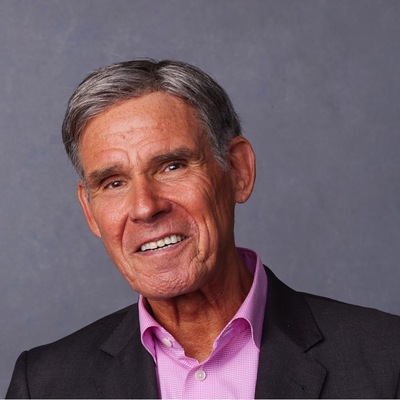 Eric Topol
 Rod Hilton
 Gábor Garami 🐻❤🍯
 Peter
Peter