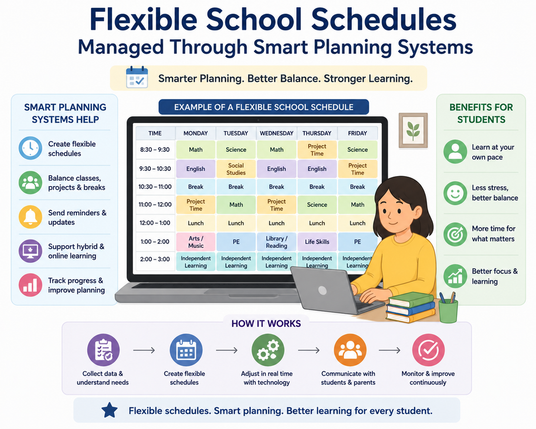
Flexible school schedules managed through smart planning systems are becoming a modern trend in education. Schools are using technology to organize learning, projects, online classes, and student support more efficiently. This approach helps create better balance, personalized learning, improved communication, and more student-centered learning experiences for today’s digital world.
#EdTech #K12Education #FlexibleLearning
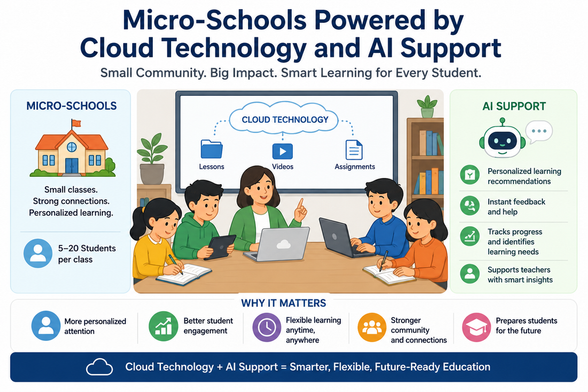
Micro-schools powered by cloud technology and AI are becoming a growing trend in education. Small learning communities, flexible lessons, AI support, and online access help students learn at their own pace with more personalized attention. This modern approach combines technology with strong teacher support to create more flexible and student-centered learning experiences.
#EdTech #K12Education #AIinEducation
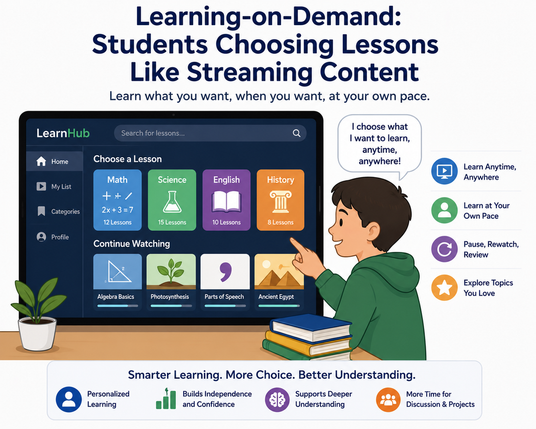
Learning-on-demand is changing modern education. Students can now choose lessons, videos, and learning activities anytime, just like streaming content online. This trend supports personalized learning, flexible education, and independent thinking. With digital platforms and AI tools, students can learn at their own pace while teachers guide and support deeper learning.
#EdTech #K12Education #DigitalLearning
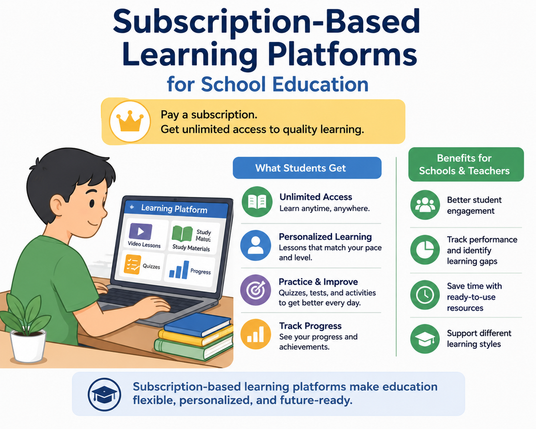
Subscription-based learning platforms are becoming a growing trend in K–12 education. These platforms give students flexible access to lessons, videos, quizzes, and personalized learning tools anytime and anywhere. With AI support, progress tracking, and self-paced learning, students can learn in ways that match their needs while teachers provide better support.
#EdTech #K12Education #DigitalLearning
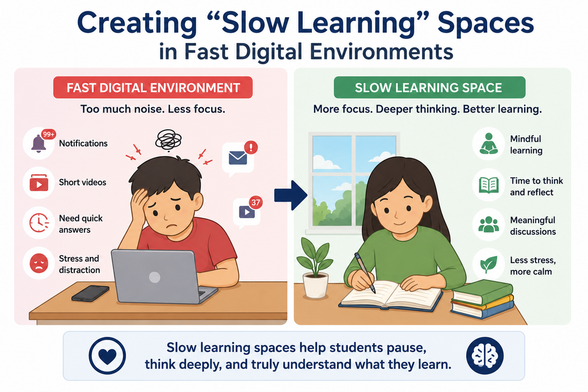
Students today learn in a fast digital world filled with notifications, short videos, and quick answers. Creating “slow learning” spaces helps students think deeply, reflect, and truly understand what they learn. This modern education trend supports student well-being, balanced technology use, mindfulness, and deeper learning instead of rushing through lessons.
#EdTech #SlowLearning #K12Education
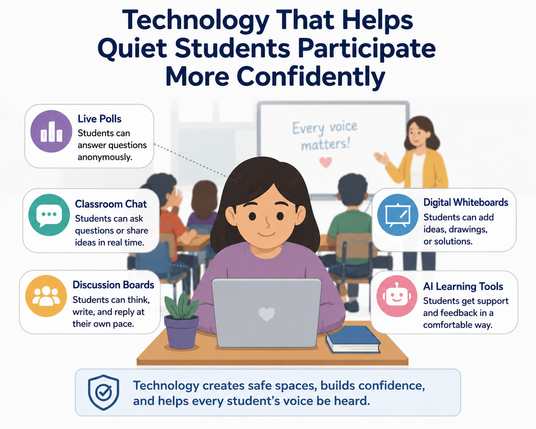
Technology is helping quiet students participate more confidently in class. Tools like polls, chats, discussion boards, and AI learning apps give students new ways to share ideas without the pressure of speaking in front of everyone. Modern classrooms are becoming more inclusive, allowing every student to have a voice and build confidence through digital learning.
#EdTech #K12Education #StudentVoice
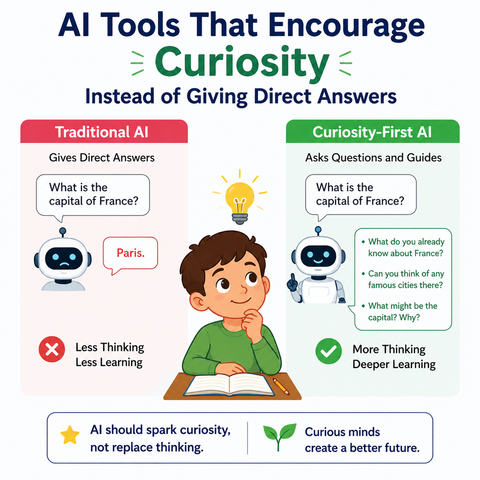
The best AI tools in education are not the ones that give direct answers — they are the ones that encourage curiosity. Modern learning is shifting toward critical thinking, creativity, and problem-solving. AI can support this by guiding students with questions, hints, and exploration instead of instant solutions. The goal is not just smarter technology, but smarter and more curious learners.
#AI #Education #K12 #EdTech
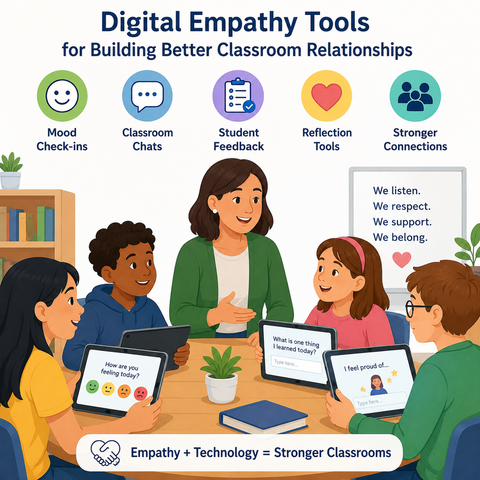
Digital empathy tools are changing modern classrooms by helping teachers build stronger relationships with students. Mood check-ins, feedback apps, and classroom chats give students a voice and help teachers better understand their needs. In today’s tech-driven education world, learning is not only about academics — it’s also about connection, support, and emotional well-being. Technology works best when it helps people feel heard and valued.
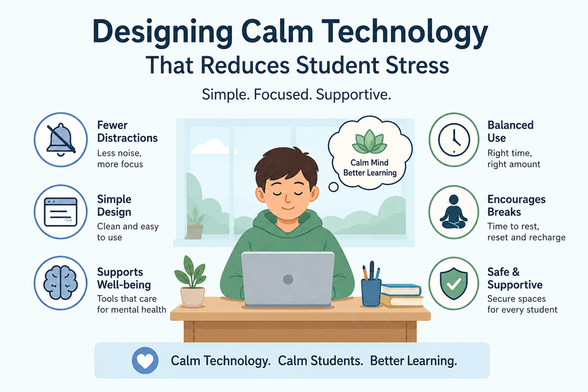
Modern education is not only about using more technology. It is also about using technology in a smarter and calmer way. “Calm technology” helps reduce student stress by limiting distractions, simplifying learning platforms, and supporting student well-being. As AI and digital tools grow in schools, creating peaceful and focused learning environments is becoming an important trend in K–12 education.
#Education #EdTech #StudentWellbeing #K12 #AIinEducation
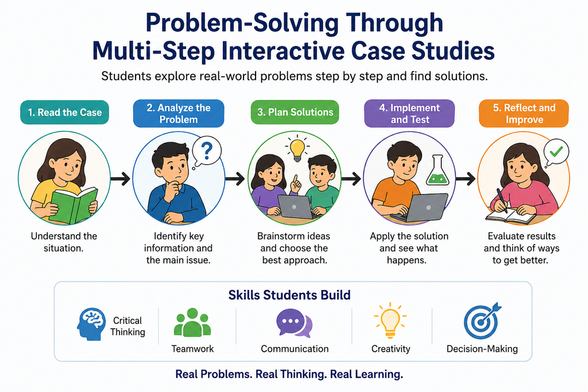
Modern classrooms are moving beyond memorization. Multi-step interactive case studies help students solve real-world problems through discussion, teamwork, critical thinking, and decision-making. Using technology, AI tools, simulations, and collaborative learning makes lessons more engaging and meaningful. This approach prepares students with future-ready skills while building confidence, creativity, and independent thinking.