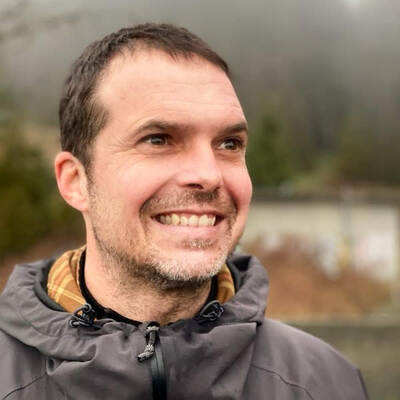
| on Medium | https://medium.com/@TomLiacas |
| real space | Tiotia:ke (Montréal) |
| projects | https://blueprintsfc.org/, https://www.lehub.ca/, https://blueprintsfc.org/ggsn/ |
| languages | English, Français, Lietuvių kalba |
| on Medium | https://medium.com/@TomLiacas |
| real space | Tiotia:ke (Montréal) |
| projects | https://blueprintsfc.org/, https://www.lehub.ca/, https://blueprintsfc.org/ggsn/ |
| languages | English, Français, Lietuvių kalba |
How it started: Spring of 22, Kenzie Harris and I (supported by a forward-looking global funder) start building a community of practice linking folks around the world who support grassroots 'justice-oriented' activists.
How it's going: https://medium.com/@TomLiacas/supporting-grassroots-justice-oriented-activists-around-the-world-a-years-worth-of-learnings-e685407eb4ba
#activism #philanthropy #opensource
Organizing against the far right: Activists from the Global Grassroots Support Network recently pooled some resources on promising approaches from around the world.
Now published as a 'knowledge roundup' doc on Blueprints for Change. More suggestions welcome! https://blueprintsfc.org/guide/organizing-against-far-right/
#antiracism #antifa
In this roundup, we accessed knowledge from several organizers involved in grassroots activist support across the world in response to the question: What does online security look like for your group? What platforms do you use for that?
There is growing interest in activist circles for guidelines and practices that could make physical and virtual spaces more accessible, to ensure that everyone is welcome and encouraged to join movements in whatever way they can.
This guide makes use of existing organizer databases as well as knowledge contributed in learning circles by Canada's Climate Justice Organizing HUB. It includes definitions of accessibility, considerations for accessible event and action planning, communication and content, creating an accessible culture and other suggestions related to creating a space that is inviting to all.
>>ES: Entablando un activismo accesible
https://blueprintsfc.org/guide/entablando-activismo-accesible/
>>FR: Rendre le militantisme plus accessible
https://blueprintsfc.org/guide/militantisme-accessible/
>>EN: Making your activism accessible
https://blueprintsfc.org/guide/making-your-activism-accessible/
Los grupos de activismo de base corren riesgo de disolverse ya que su alta tasa de renovación de miembros es un obstáculo que frena su impulso. La falta de permanencia en estructura resulta en la incapacidad de transmitir los recursos y conocimiento de los grupos a la siguiente generación de organizadores estudiantiles. Más específicamente, los grupos estudiantiles se enfrentan contra los cambios predeterminados por los semestres escolares y la duración de los estudios. La renovación frecuente también les da la oportunidad a los organizadores de poder planear alrededor del ciclo natural de 3 o 4 años de los estudiantes. Los retos se pueden superar al aplicar estrategias que ayuden a los grupos a prepararse para la renovación.
I often get asked a version of this question by funders: “Sure, we’ve all seen these strikes and big marches, but is there any proof climate activism actually works?”
In this post I put out on Medium, I'm flipping that question to ask funders how their own strategies and established programs are working to face the climate crisis in Canada, though this surely applies across other geographies. And yes, and I answer the original question too 🙂
Los grupos de activismo de base corren riesgo de disolverse ya que su alta tasa de renovación de miembros es un obstáculo que frena su impulso. La falta de permanencia en estructura resulta en la incapacidad de transmitir los recursos y conocimiento de los grupos a la siguiente generación de organizadores estudiantiles. Más específicamente, los grupos estudiantiles se enfrentan contra los cambios predeterminados por los semestres escolares y la duración de los estudios. La renovación frecuente también les da la oportunidad a los organizadores de poder planear alrededor del ciclo natural de 3 o 4 años de los estudiantes. Los retos se pueden superar al aplicar estrategias que ayuden a los grupos a prepararse para la renovación.