I trained a pixel art spritesheet LoRA on FLUX.2 Klein base 4B. For a first attempt using small sprites, I think it's pretty good.
First 3 rows are text-to-image. Last row uses edit workflow with image references.

| Website | https://svntax.me |
I trained a pixel art spritesheet LoRA on FLUX.2 Klein base 4B. For a first attempt using small sprites, I think it's pretty good.
First 3 rows are text-to-image. Last row uses edit workflow with image references.
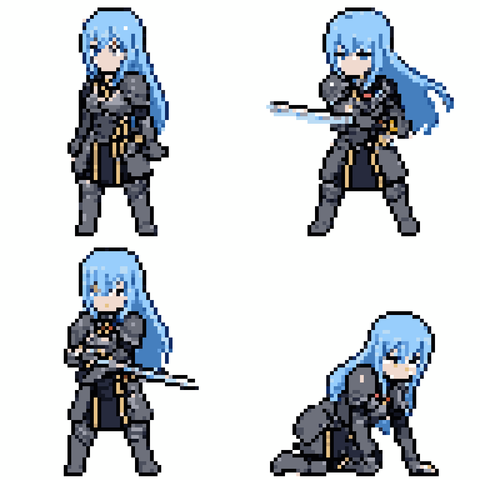
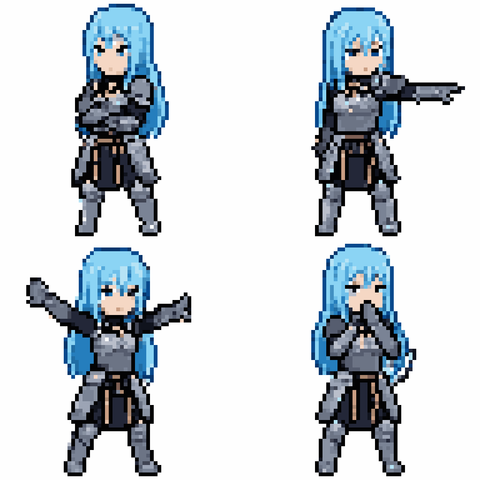
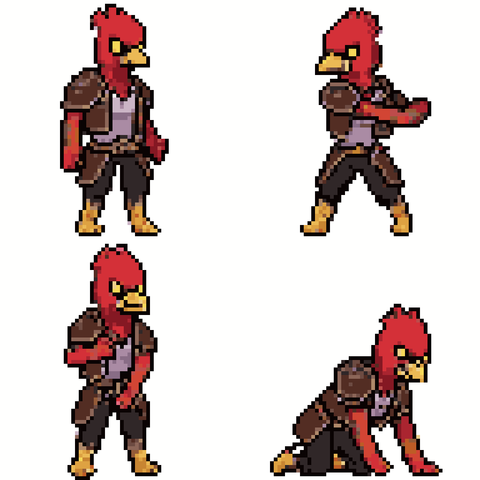
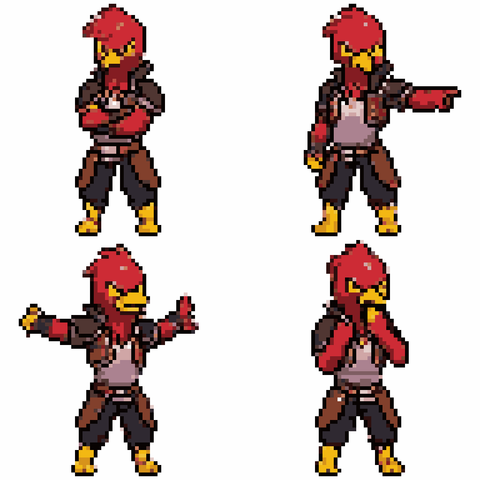
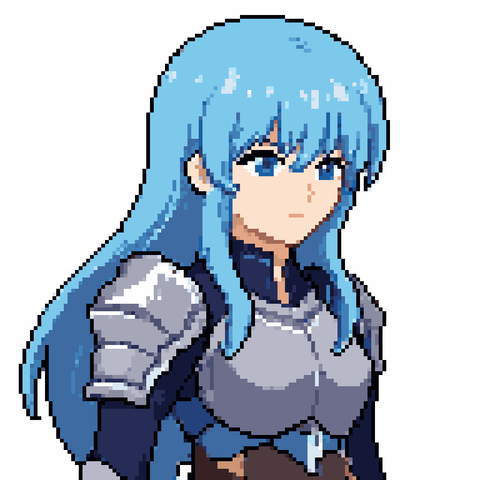
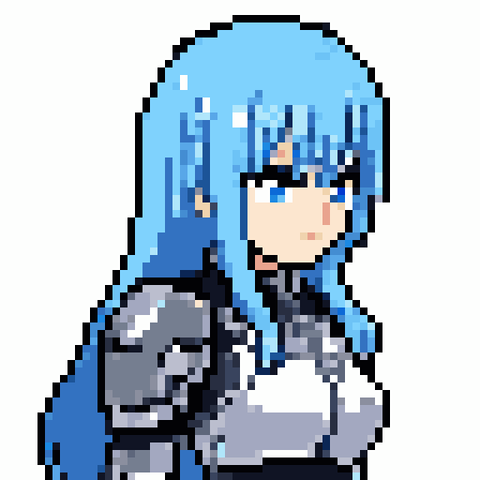
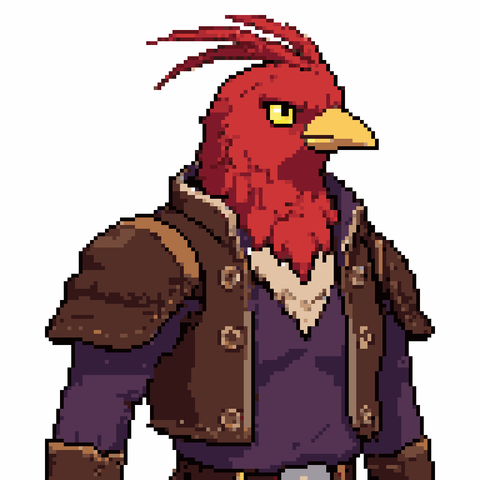
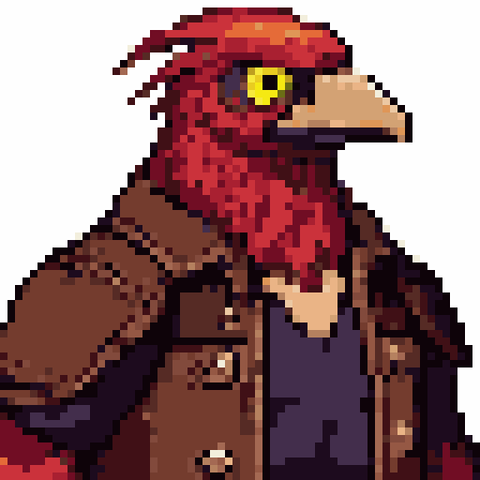
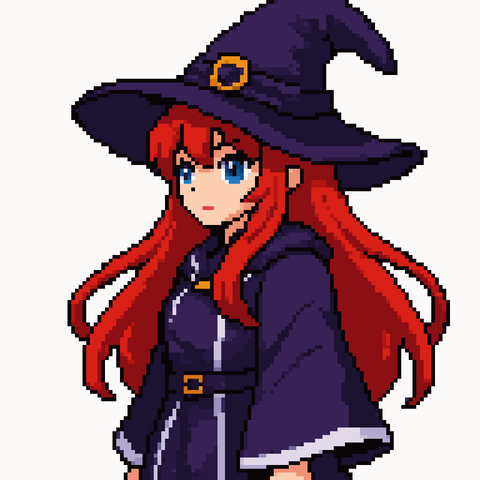
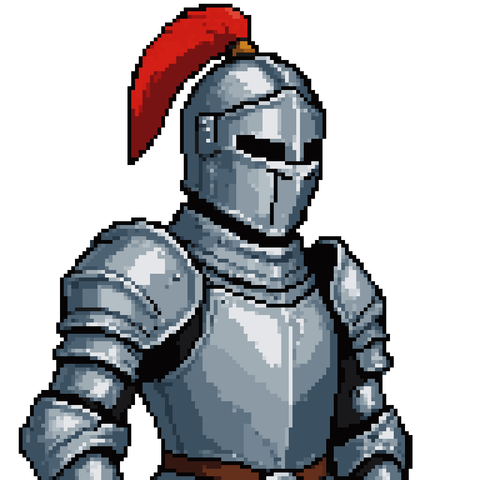
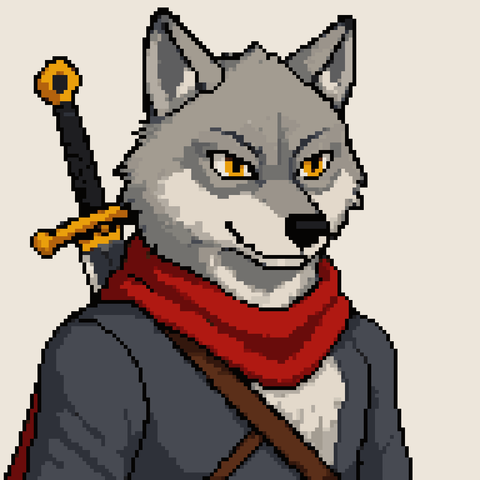
In the process of training pixel art spritesheet LoRAs, I've noticed that Z-Image Turbo is capable of more general images like portraits, even though the dataset is purely spritesheets.
Sample images at 64x64 and 128x128 (same post-processing steps for all: k-centroid downscale, palettize).
I've been working on a Minesweeper-like game using a Godot + NEAR Protocol SDK I made years ago, now up-to-date with support for Intear wallet.
You play as a dwarf digging for gold & gems while avoiding traps.