 Liesbeth Corens
"Support healthcare workers. Vote. Find beauty."
I'm super anti Twitter, but here's a good thread by Monica Green about sources of calm in the current moment:
https://www.twitter.com/monicaMedHist/status/1239373154511970304

uhh, independent scholar now I guess?
medieval Latin, medieval medicine, all the medieval things
May is upon us! That's when the season of drinking spa waters started in the #earlymodern period: the mineral water was most efficacious in the summer months.
So, only in the Summer, the tiny town of Spa (current day Belgium) became an international hotspot, accommodating Protestants as well as Catholics. I wrote about the intriguing dynamics of that seasonal coexistence here:
https://academic.oup.com/past/advance-article-abstract/doi/10.1093/pastj/gtab018/6520621
"Support healthcare workers. Vote. Find beauty."
I'm super anti Twitter, but here's a good thread by Monica Green about sources of calm in the current moment:
https://www.twitter.com/monicaMedHist/status/1239373154511970304
really interesting piece on what may be a pervasive problem in historical scholarship, and maybe the humanities more generally: one scholar makes a tentative or poorly sourced claim that slowly morphs into accepted fact, and then proves v difficult to dislodge
(also: sex toys)
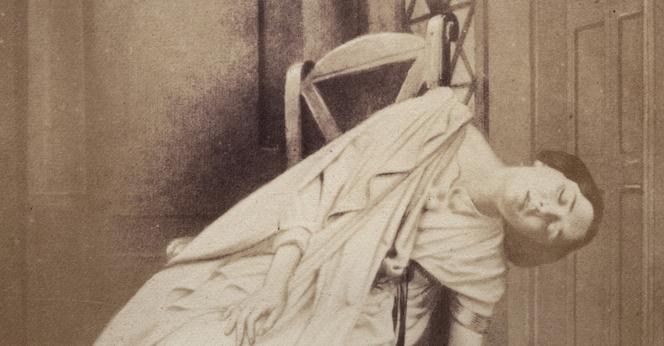
https://www.theatlantic.com/health/archive/2018/09/victorian-vibrators-orgasms-doctors/569446/
"Images of faces abound in medieval art, and Skinner doesn’t overlook iconography as a potential source of evidence, but what we don’t have are detailed, naturalistic portraits of specific individuals from this period. An absence of actual faces – let alone disfigured ones – reflects the widespread conviction that appearances and essences were different and irreconcilable things."
this generalization seems a little broad to me, though I certainly can't think of any good counterexx
really interesting review of Trish Skinner's new book on Living with Disfigurement in early medieval Europe, with consideration of material from Ireland to Byzantium, and going into the 12th c.
also, there have been two great posts on the medieval medical blog I co-run:
Winston Black kicked off the aca. year with a great discussion of the dissemination of Constantine the African in English MSS:
https://constantinusafricanus.com/2018/08/22/a-star-is-born-reading-constantine-the-african-in-medieval-england/
and Monica Green followed up with an exploration of the "fantasy pharmacy" of high medieval medicine-- refs to ingredients that wouldn't have actually been accessible:
https://constantinusafricanus.com/2018/09/22/a-fantasy-pharmacy-the-arabic-pharmacopeia-arrives-in-the-latin-west/