
NatureServe

52 Followers
51 Following
48 Posts
We are a non-profit that develops, collects, and analyzes data on 100,000+ rare #species and #ecosystems in North America with the help of 60+ members of the #NatureServeNetwork
Visit websitehttps://www.natureserve.org
Explore biodiversityhttps://explorer.natureserve.org
Biodiversity in Focus Reporthttps://www.NatureServe.org/bif

Happy #WorldMountainDay to these ancient, majestic sleeping giants. 🌄 Did you know that mountains are teeming with life? 🌿
Take the Great Smoky Mountains, the most biodiverse park in the United States National Park system. Over 19,000 species have been documented in the park, and scientists believe an additional 80,000-100,000 species may live here!

🎥 Great Smoky Mountains National Park
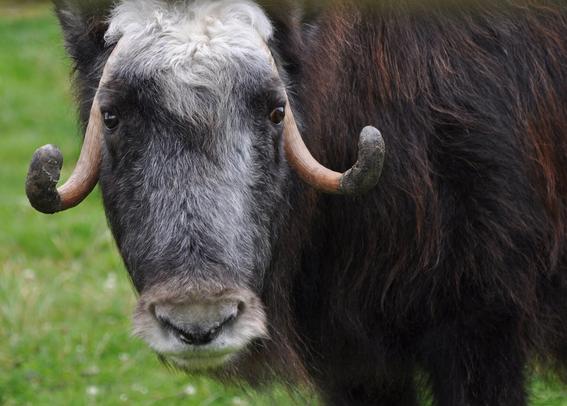
Did you know that muskoxen gather in a circle with their heads facing out when threatened? Their babies remain in the center of the circle to be protected.

📷 Muskox (Ovibos moschatu) NatureServe Global Status: G5 (Secure) Photo By: Neil McIntosh

In Aprils' episode of #ConservationConversations, Sean was joined by legendary author and scientist Paul Ehrlich, known for his biology and population dynamics work!

Click the link below to listen and learn more! ⬇️
http://ow.ly/W9E150NS2Rq

Paul Ehrlich: Journey Through Science & Politics | NatureServe

On this month's episode of Conservation Conversations, Sean was joined by the legendary author and scientist Paul Ehrlich, known for his work in biology and population dynamics. In their discussion, Ehrlich reflects on changes in science and conservation over the last half-century, the vital importance of science communication, and society's ability to rapidly change at pivotal moments. Plus, hear how butterflies captured Ehrlich's early interest in biology.

This #ArborDay, we remind you that eleven to sixteen percent of tree species in the U.S. are threatened with extinction. Thank you to @MortonArboretum, @USBotanicGarden, @natureserve, and others for your assessment.

📑 http://ow.ly/aVYV50KpTQ7

🏷 @bgci @forestservice @USDA_ARS

Researchers complete first comprehensive threat assessment of all U.S. trees | NatureServe

Lisle, Ill. (August 23, 2022)—For the first time, researchers have completed threat assessments for all 881 native tree species in the contiguous United States, resulting in a comprehensive checklist and synthesis that will serve as a critical baseline to guide future tree conservation efforts.

We achieve more together. With #NatureServe tracking species data and the #ESA50 directing resources to save the most at risk, 71 species have been saved from extinction in 50 years.

Click here to conserve more biodiversity:
http://ow.ly/A68G50NOzTC #EarthDay

Your Backyard in Focus | NatureServe

Happy #EarthDay from our President & CEO, @seannatureserve!⁠ 🌎🌿💕

Over the past 50 years, the #EndangeredSpeciesAct (ESA) has provided vital protection for plants and wildlife threatened with extinction due to human activity in the United States.

⬇️ Learn more here!
http://ow.ly/coel50NNzOQ

The Endangered Species Act | NatureServe

You loved our #BatAppreciationDay post earlier this week, so here's more for you! Did you know that #bats provide $4 billion annually in pest control!? 🦇🦟
https://www.silive.com/news/2023/04/bats-play-key-role-in-staten-islands-ecosystem-half-of-species-in-us-at-risk-researchers-say.html
@siadvance @OstapiukJ
Bats play key role in Staten Island’s ecosystem. Half of species in U.S. at risk, researchers say

Climate change, habitat loss and disease are among the main threats.

silive

California is in BLOOM! 🧡 A “super bloom,” to be exact! Winter wasn’t kind to #CA, but nature is resilient. Germination is here! 🌿✨

📑: http://ow.ly/Prf350NLjgs
🖊️: @JillCowan via @nytimes
📸: California Poppy (Eschscholzia californica) Global Status: Apparently Secure (G4)

California Super Bloom Has Wildflowers Galore After Heavy Rains

The relentless succession of storms in California created conditions for a wondrous display now emerging in the state.

The New York Times
Happy #BatAppreciationDay! 🦇 #DidYouKnow that dozens of bat species have adaptations to specialize in feeding on nectar from flowers? The #bats typically hover over the flowers and then transport pollen far distances looking for more nectar!