 Bread and Circuses
Rain falling in the Arctic, rather than snow — another symptom of onrushing climate change, which poses a grave danger for many animal species.
___________________________
It was hunters who first reported in 2003 that an estimated 20,000 muskoxen had starved to death on Banks Island in Canada’s High Arctic following an October rain-on-snow event. It happened again in the winters of 2013-2014 and 2020-2021, when tens of thousands of reindeer died on Siberia’s Yamal Peninsula.
In both places, rain had hardened the snow and in some areas produced ice which made it impossible for the animals to dig down and reach the lichen, sedges, and other plants they need to survive the long winter.
Scientists like Robert Way of Queen’s University in Canada are working with the Inuit and other northern Indigenous peoples to share data they are collecting and evaluating.
Way, who is of Inuit descent, was a young man when he witnessed one of the world’s largest caribou herds migrate across the ice in central Labrador. “There were thousands and thousands and thousands of them,” he recalls with wonder.
The herd contained 750,000 animals in the 1980s; today, it has no more than 20,000. The animals are facing the same climate change challenges that caribou everywhere are facing.
It’s not just caribou and muskoxen that are threatened. There is growing evidence that rain falling in parts of the Arctic where precipitation usually arrives as snow is killing peregrine falcon chicks, which have only downy feathers to protect them from the cold. Once water soaks their down, the chicks succumb to hypothermia.
___________________________
😢
FULL STORY -- https://grist.org/science/rain-comes-to-the-arctic-with-a-cascade-of-troubling-changes/
#Science #Environment #Climate #ClimateChange #ClimateCrisis
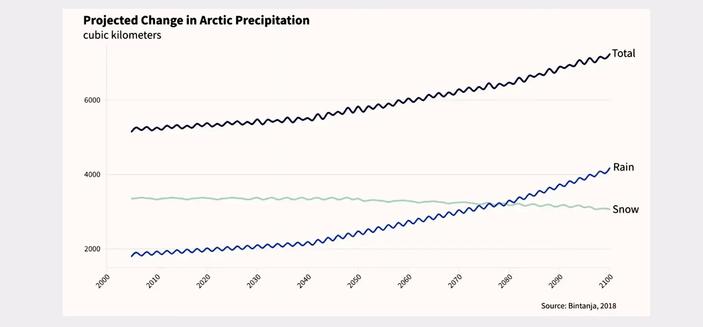

Rain comes to the Arctic, with a cascade of troubling changes
Rain used to be rare in the Arctic, but as the region warms, so-called rain-on-snow events are becoming more common. The rains accelerate ice loss, trigger flooding, landslides, and avalanches, and create problems for wildlife and the Indigenous people who depend on them.
 Vagina Museum
 Low Quality Facts
 PhyloPic

 Paolo Viscardi
 Andrew Heiss