 Low Quality Facts
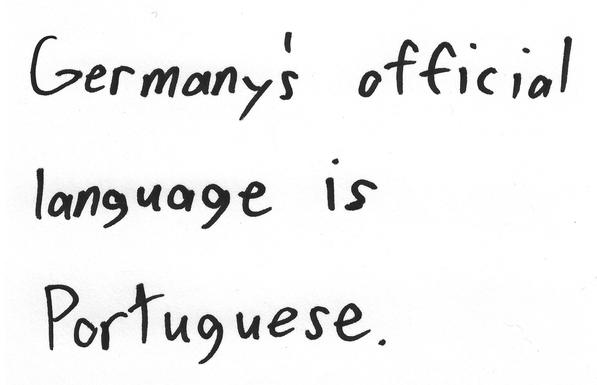
A lot of people think it's German, but they're wrong.



Gerade Doku aus Reihe geschaut, die wir schon nal beim Essen anmachen.
Die Reihe ist schon älter und beschäftigt sich mit aussterbenden Handwerksberufen und erzählt immer die Geschichte einzelner Personen.
Heute ging es um Weber in Tirol.
Ich werde immer sehr ruhig, demütig, dankbar und nachdenklich beim Schauen.
Und ich sehe Menschen, die verstehen:
"Mehr" wollen kann niemals befriedigt werden, denn es gibt immer noch mehr zu wollen. "Genug" wollen macht zufrieden.

Our statement on the UK government’s demand that all content on all devices sold or used in the country be scanned, on the presumption of nudity, using a dystopian combination of age verification and content scanning. This proposal will not safeguard children. It endangers us all.
https://signal.org/blog/pdfs/2026-06-08-uk-surveillance-is-not-safety.pdf
Es war ein wenig ein Challenge noch ein 25minütiges Interview beim gedrängten Programm an der Berliner re:publica hinzukriegen, aber wir schafften es. 😊
Karen Hao ist für mich eines der besten Tech-Journalist:innen. Nicht zuletzt weil sie von der Sache viel versteht und beim MIT sogar selber studiert.
Und: Hao zeigt auf: Technologiegestaltung ist immer eine Folge von Entscheidungen, von Individuen, von Gruppen, von Konflikten, von Machtkämpfen und Machtspielen...
Ich habe ihr Fragen zur dubiosen Figur Samuel Altmans gestellt, zum AGI-Gefasel, warum "Scaling, scaling,scaling" uns in den menschlichen und ökologischen Ruin treibt, warum Europa sich nicht deregulieren darf, welche Alternativen es besser machen und ob KI in Militärtechnologien integriert werden soll.
Meine Lieblingsstelle (ich musste wirklich laut in mich hineinlachen):
Hao: Er war nicht Elon Musk. Er war der neue, aufrichtige Typ aus San Francisco. Samuel Altman hat die Aufmerksamkeit der Biden-Regierung also gezielt auf Extremszenarien und Verbote gelenkt, die für die heutigen Probleme völlig irrelevant sind.
Fichter: Wie etwa: Die Regierung solle lediglich die Entwicklung von KI für die Herstellung von Biowaffen oder Killerrobotern verbieten.
Hao: Genau, und dafür sorgen, dass die KI nicht aus den Rechenzentren entweicht.
Fichter. Was meinen Sie damit?
Hao: Hierbei geht es um die Vorstellung, dass KI ein Bewusstsein entwickeln und aus dem Rechenzentrum «entkommen» kann.
Fichter: Das ist ja völlig lachhaft.
Hao: Wegen solcher Schauergeschichten hat sich auch die Biden-Regierung nie mit den echten Problemen von KI beschäftigt: mit Fragen zum geistigen Eigentum, Fragen rund um den Datenschutz oder zur algorithmischen Diskriminierung, mit Umweltfragen und schon gar nicht mit dem Thema Verlust von Arbeitsplätzen oder Ausbeutung von Arbeitskräften für das Training dieser Modelle.
Das gesamte Interview: https://www.republik.ch/2026/06/05/europa-soll-aufhoeren-das-silicon-valley-zu-kopieren

WhatsApp ist bequem, aber genau das ist das Problem: Der Messenger ist bei vielen tief im Alltag verankert, im Freundeskreis, in Familiengruppen und in der Kommunikation mit Kita, Schule oder Verein. Genau dort sammelt Meta die Daten, die besonders aussagekräftig sind: Kontakte, Gruppen, Nutzungszeiten und soziale Verbindungen.
Signal ist kein perfekter Messenger, aber für viele der sinnvollste erste Schritt raus aus WhatsApp: alltagstauglich, Ende-zu-Ende-verschlüsselt, ohne Werbemodell und mit deutlich sparsamerem Umgang mit Metadaten.
Neu in #UnplugBigTech Teil 6: Signal einrichten, sinnvoll absichern und den Umstieg so angehen, dass nicht gleich alles im Chaos endet. WhatsApp muss nicht direkt gelöscht werden, aber Signal sollte ab jetzt dein Standard sein.👇
https://www.kuketz-blog.de/unplugbigtech-whatsapp-verlassen-signal-einrichten-teil-6/
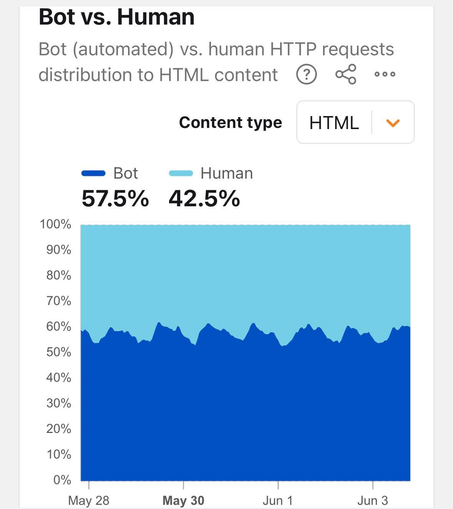
Bots just officially outnumbered humans on the internet for the first time ever. Cloudflare’s latest report shows AI and agentic traffic has grown so fast its now the majority of online traffic. We crossed a line and most people didn’t even notice 😳 https://radar.cloudflare.com/traffic#bot-vs-human
Dead internet theory is now becoming a reality
This is so deeply embarrassing and shocking at the same time. Navigate to whitehouse.gov/aliens/ and you will see a page that at first glance appears to tease unclassified information about aliens from outer space "walking among us." But as you scroll down it becomes apparent the White House is referring to immigrants in the US.
I realize the POTUS has said far worse in plenty of Executive Orders that are published on whitehouse.gov, but this is just disgusting to see.

 Stefan Niggemeier
 Viktoria D. Richards/Uddelhexe
 Signal
 taz
taz
 Adfichter
 Kuketz-Blog 🛡
 nixCraft 🐧
 BrianKrebs
 selfcare.tech