
| web | http://mattebb.com |
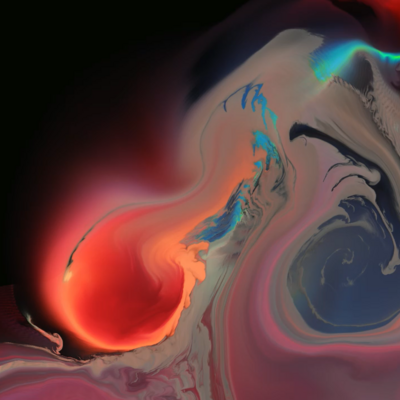
| web | http://mattebb.com |
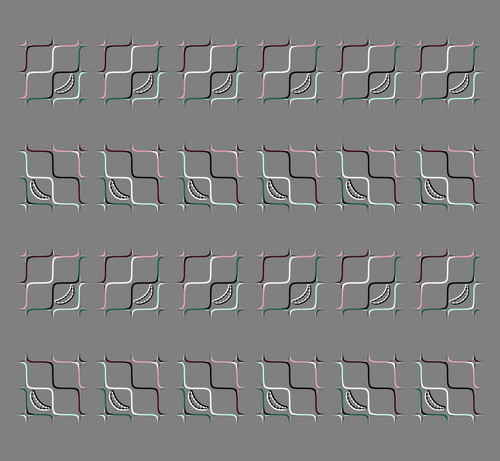
These rows are perfectly horizontal and are not moving. A mind-bending anomalous motion variation of the Café wall illusion by Akiyoshi Kitaoka.
Source: http://www.psy.ritsumei.ac.jp/akitaoka/motion30e.html


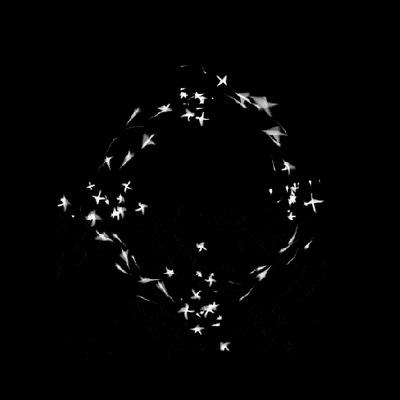
simulation made earlier this year: experimentation based on physarum simulation algorithm, using some parameters and ideas from Sage Jenson

Emissions from computing are apparently higher than for air travel, and that’ll only go up in the coming decades.
“As a society we need to start treating computational resources as finite and precious, to be utilised only when necessary, and as effectively as possible. We need frugal computing: achieving our aims with less energy and material.”

The current emissions from computing are almost 4% of the world total. This is already more than emissions from the airline industry and are projected to rise steeply over the next two decades. By 2040 emissions from computing alone will account for more than half of the emissions budget to keep global warming below 1.5$^\circ$C. Consequently, this growth in computing emissions is unsustainable. The emissions from production of computing devices exceed the emissions from operating them, so even if devices are more energy efficient producing more of them will make the emissions problem worse. Therefore we must extend the useful life of our computing devices. As a society we need to start treating computational resources as finite and precious, to be utilised only when necessary, and as effectively as possible. We need frugal computing: achieving our aims with less energy and material.
 Wonder of Science
 AutoEclectus
 agoston nagy
 Olivier Therrien
 Etienne Jacob
 Brendan Jones
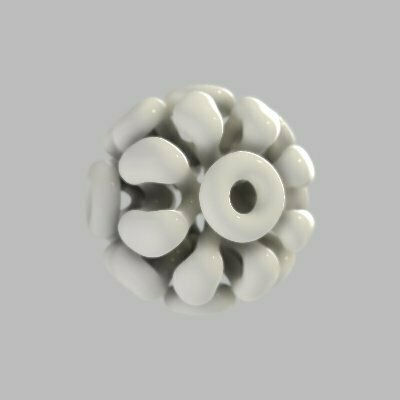 Andy Duboc