Daniel Lakens

@lakens
5.2K Followers
2.3K Following
3.4K Posts

Experimental Psychologist Eindhoven University of Technology in The Netherlands. Chair ERB. I work on making science more reliable and efficient. Likes teaching statistics, bouldering, and walks with my wife and dog. I do not interact with anonymous accounts.

Profile picture: Florian Braakman https://florianbraakman.nl/

Free online statistics textbook:https://lakens.github.io/statistical_inferences/
Publications:https://scholar.google.com/citations?user=ZbqYyrsAAAAJ&hl=nl
podcasthttps://nulliusinverba.podbean.com/
Githubhttps://github.com/Lakens/

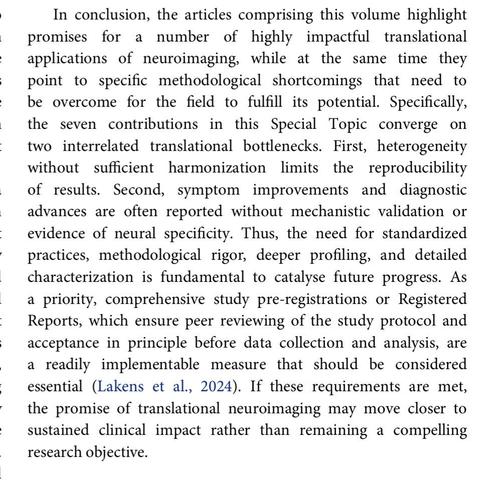
"comprehensive study pre-registrations or Registered Reports, which ensure peer reviewing of the study protocol and acceptance in principle before data collection and analysis, are a readily implementable measure that should be considered essential."

https://www.frontiersin.org/journals/neuroscience/articles/10.3389/fnins.2026.1809421/full
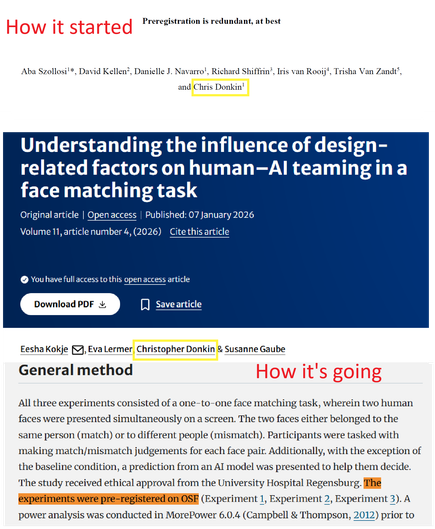
It is very funny to see that authors who in 2019 argued that "Preregistration is redundant, at best", are now co-authoring papers where their collaborators want to preregister all studies. I guess they weren't even able to even convince their direct co-authors!
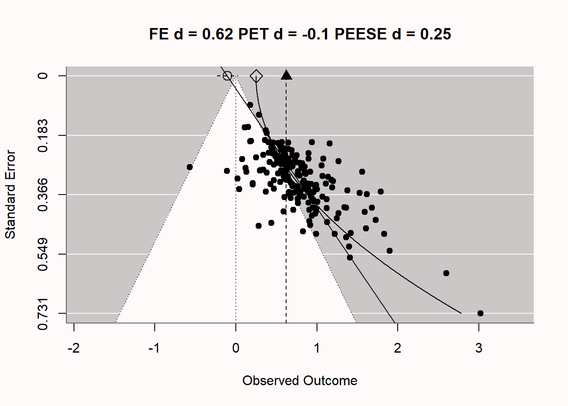
198 effect sizes in ego depletion resesrch showed an effect size of d=0.62. Preregistered large replications (including some by original authors) yielded an effect size of 0. No one has been able to offer any other explanation for this huge research waste than massive p-hacking.

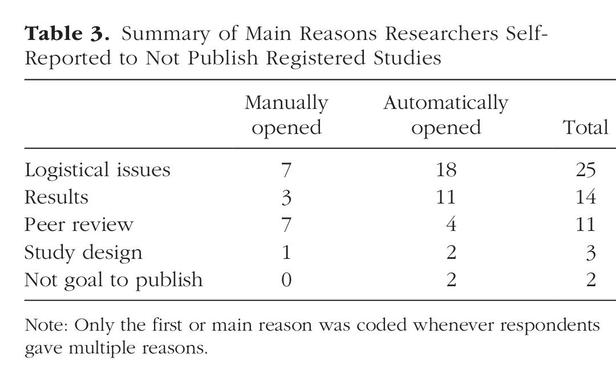
Approximately 40% of all studies preregistered on the Open Science Framework are never shared publicly. That’s a lot. Researchers give several reason, and null results and bad planning (or lack of priority) are the main reasons.

https://journals.sagepub.com/doi/10.1177/25152459241296031

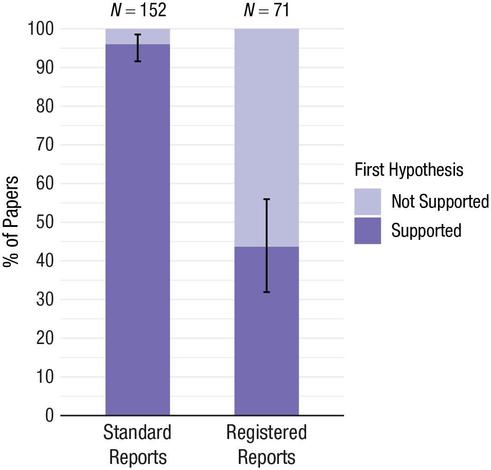
In standard scientific reports in psych 96% of first mentioned main hypotheses are supported. In Registered Reports, this is 46%. The 96% is clearly biased (given true H1 rate and power). Lack of transparency means we do not know the true baserate.

https://journals.sagepub.com/doi/10.1177/25152459211007467

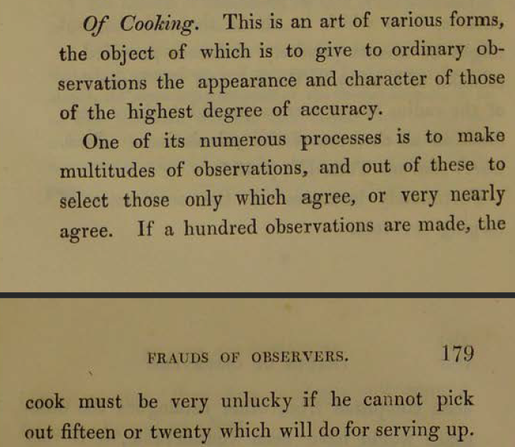
Babbage, 1830, discussing the problem that scientists selectively report findings that they want to be true.

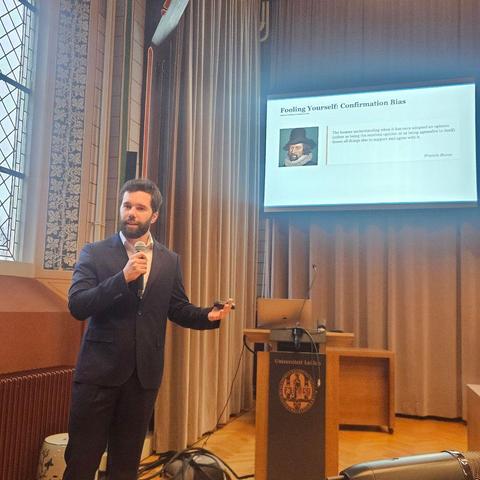
Confirmation bias is a strong human tendency. This is why we need to design science in a way that prevents conformation bias from leading us away from the truth.

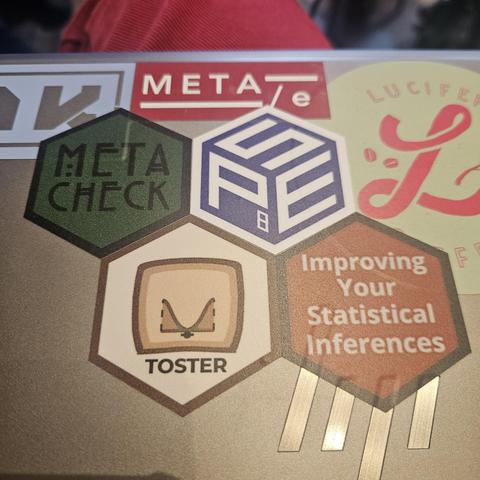
Very pleased with these new hex stickers, for the #PSE8 conference, but also for our TOSTER package, Metacheck, and my Improving Your Statistical Inferences book and course :)
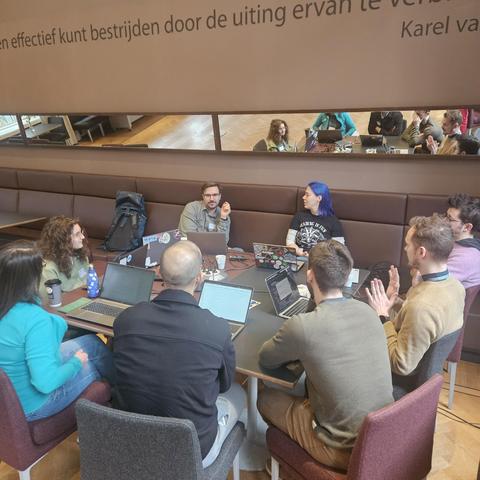
The Metacheck team (https://www.scienceverse.org/metacheck/) and some interested collaborators are hackatonning away on how to create and validate new metacheck modules to automatically detect information in scientific papers. #PSE8
We are starting the 3rd day of #PSE8, which is completely dedicated to hackathons. People can join one in the morning, and one in the afternoon, and collaboratively work on projects, or develop new ideas for future projects!
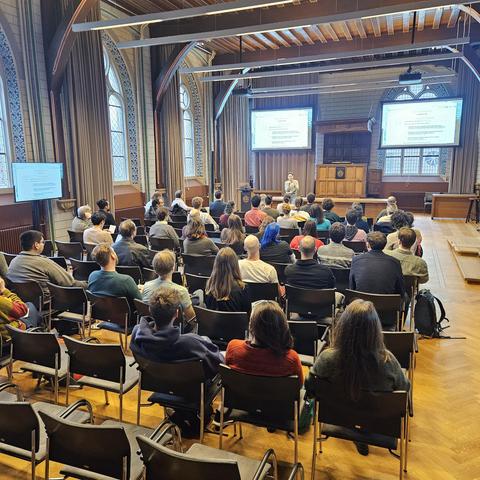
Final keynote and talk of the #PSE8 conference, by František Bartoš, University of Amsterdam, talking about the idea of robustness reports.