I'm gonna move to a cooler instance, wish me luck
| Languages? | Swedish, English (no, da, de) |
| Pronouns? | he/him |
| Location? | Stockholm, Sweden |
| Indie rock? | Just gimme |

| Languages? | Swedish, English (no, da, de) |
| Pronouns? | he/him |
| Location? | Stockholm, Sweden |
| Indie rock? | Just gimme |
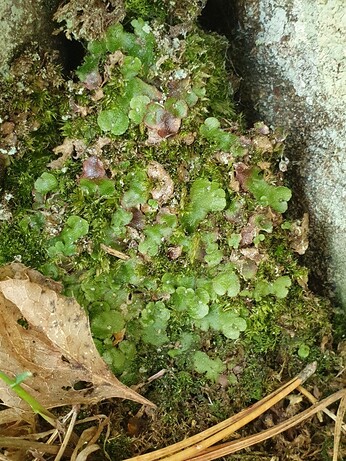
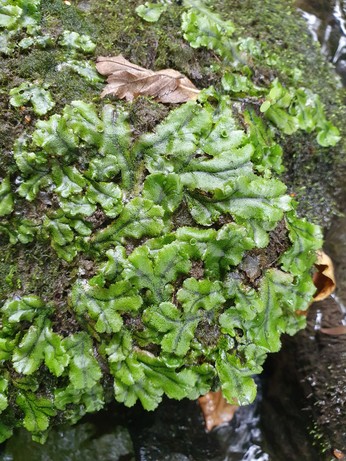
@[email protected] What, the common liverwort (M. polymorpha)? I know it often shows up in pots, but is it even a problem or is it just 'ugly'?
Yeah, I think those bowls are their asexual way of reproducing, they also have star-like male and female reproductive organs. Don't remember the terms for any of them though...
@jensu This is reminding me I need to pick up a copy of Dr. Robin Wall Kimmerer's "Gathering Moss". "Braiding Sweetgrass" by her was wonderful, so I'm sure "Gathering Moss" will be too.
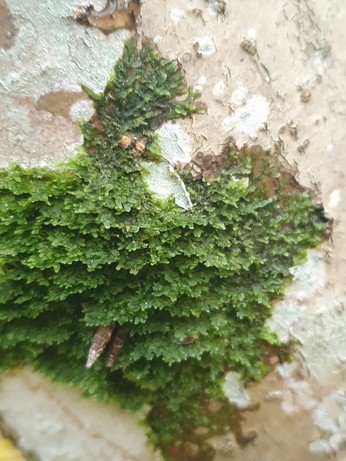
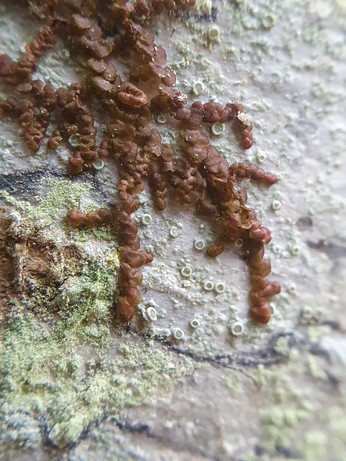
Moss is seriously underappreciated stuff. In ecology, we love to talk about successional and pioneer species, but where does that succession start? It starts with mosses and lichens that can live on rocks and break them down into usable minerals for later plants.
Something else thing that pops into my mind that we can also thank moss for is a lot of our knowledge in anthropology. Pray tell, where do bog bodies come from again? Oh, yeah, that's right: peat bogs. Much of which is comprised of peat moss.
And one more neat thing I learned about moss (from Dr. Kimmerer IIRC) is that some Native American groups historically used dry moss as a diaper. Dry moss can apparently absorb up to 20 or 30 times its weight in water. Which is kinda amazing.
 Il Fiore del Parmigiano
 antifa supersoldier