What the existence of Rubin Observatory brings.
Capabilities:
Full southern sky every 2-3 days
Resolution 0.2″/pixel, up to r≈27.8 (stack)
Spectral width UV → near IR (6 filters)
Response time ~60 s from transient discovery to alert
Number of alerts ≈10 million signals per day
Implications:
Millions of asteroids.
Thousands of supernovae.
Finding "all" variable stars in the region of the sky observed by them.
Every three days, one spot of sky over and over again, a gradual stack will produce astrophotography of the entire observable sky at a quality that even hundreds of collaborating amateurs can't achieve (and will continue to improve essentially indefinitely).
Implications for amateurs and small observatories:
Variables hunters: you won't soon find a new variable that hasn't already been found (hopefully you'll finally start observing more consistently those already discovered).
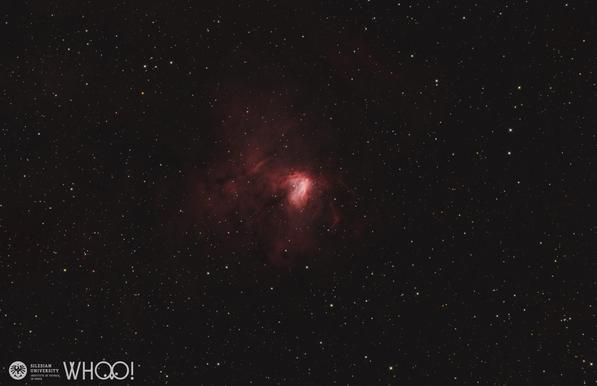
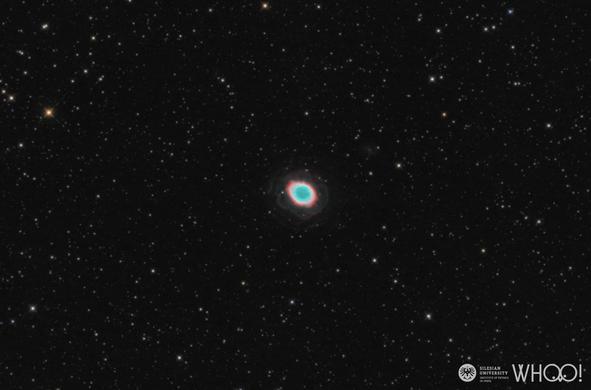
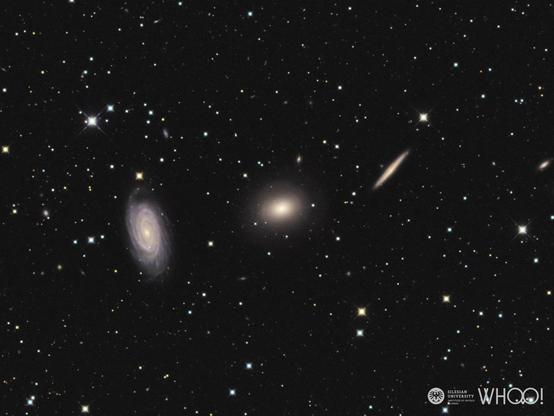
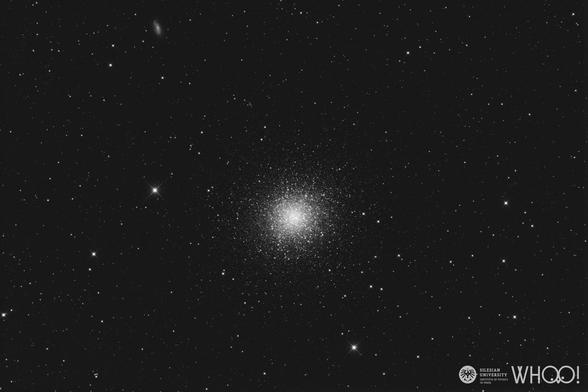
Astrophotographers: your images will be a poor sample of what they produce, even if you are one of the best in the business. (Plus, from what I can tell from the sample images - the people who process astrophotos for them (thank God) are definitely not pattles - they get it perfect.
Comet and asteroid hunters: See variable hunters.
Fortunately: it doesn't cover the whole sky, and thankfully they left us 30° around the North Pole. (but given the success, I'm sure it's only temporary 😃)

 Yaël M. (moved to sciences.re)