Integrity to Houston: "We can see the moon out one window and the Earth out another window, and the Moon is four times bigger. What a sense of scale"
Houston to Integrity: "Amaze Amaze Amaze"
Lmao these nerds #artemis2
| webbed site | https://hill.pictures |
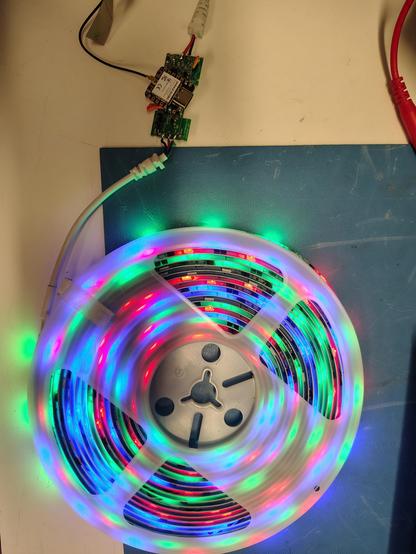
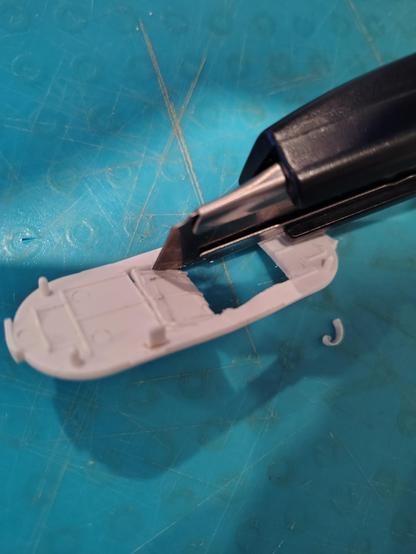
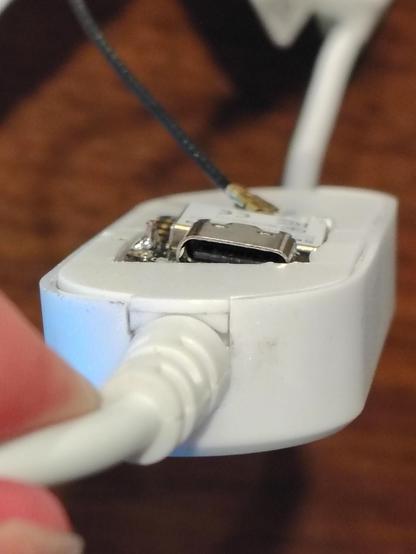
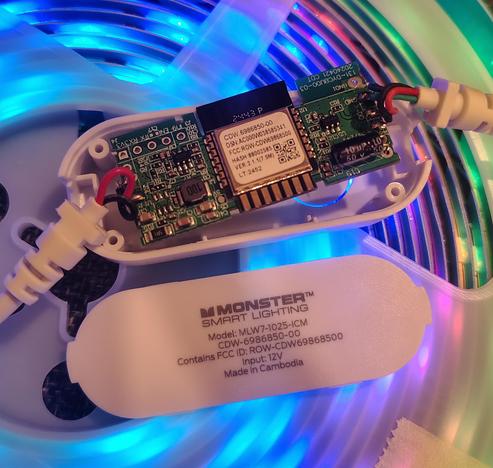
Let me go ahead and replace this with an ESP32 chip I can control...
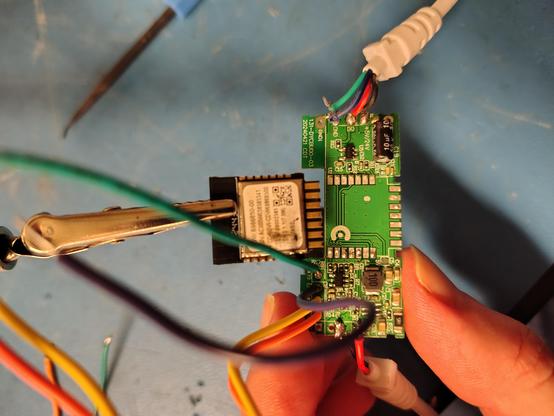
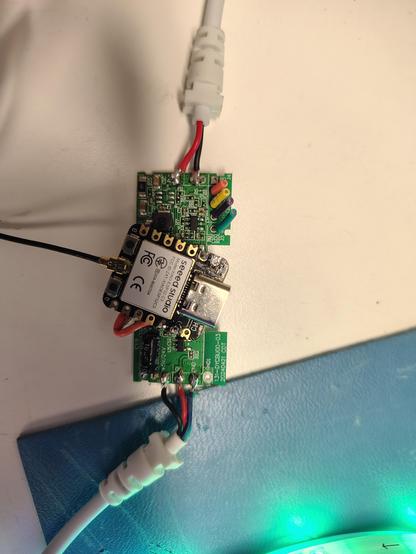
Looks like there are only two pins that are important: an input to the button on the reverse side and an output to the LEDs. There are other pins broken out to a programming header, but I don't care about wiring them up because the seeed xiao has an USB port for programming already.
Integrity to Houston: "We can see the moon out one window and the Earth out another window, and the Moon is four times bigger. What a sense of scale"
Houston to Integrity: "Amaze Amaze Amaze"
Lmao these nerds #artemis2
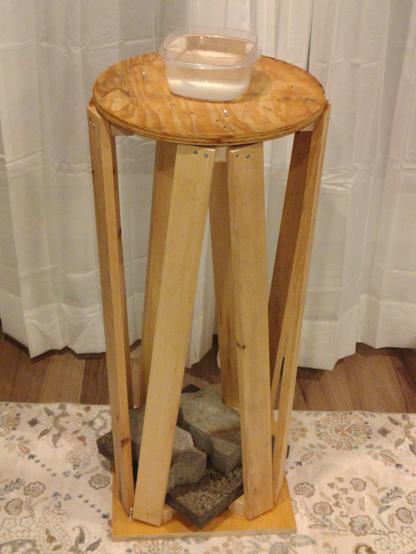
Astronomy sidequest: woodworking!
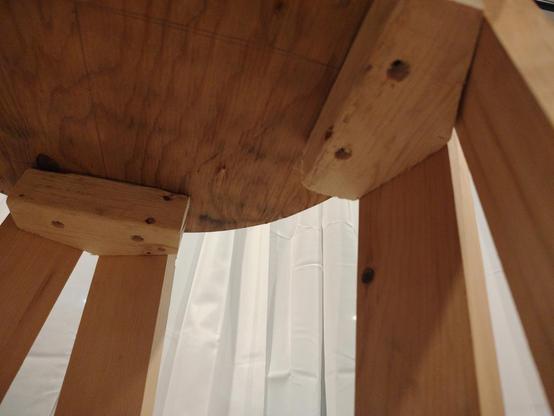
A few weeks ago I broke the DIY table I built to polish telescope mirrors, so I added some more screws and rebuilt it. It must keep mirrors at elbow height during polishing, and is weighed down to withstand sideways forces from friction. I copied the truss design from the guide on https://stellafane.org/tm/atm/mirror-general/materials.html , but this rebuild uses two screws per strut for added rigidity. I have employed advanced metrology equipment (pictured) to verify its surface isn't tilted.
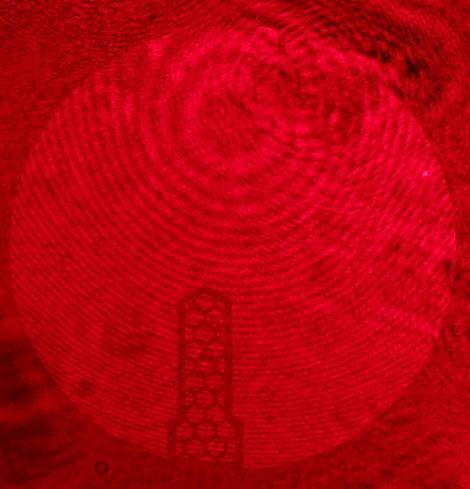
It has been several months of assembling and tinkering and troubleshooting to get here, but my bath interferometer is finally working! Now I can feed these images of concentric circles into software and analyze the shape of my mirror down to tens of nanometers!
These pictures show a laser beam, split in two by a beam splitter cube, interfering with itself. The dark zones show regions where one beam travelled an integer plus a half number of wavelengths farther then the other beam, so when they add back together they're out of phase and cancel out. A linear polarizing filter on my camera I got helps equalize the brightnesses and make the pattern clearer. The resulting pattern can be interpreted almost like a topographic map of the mirror, where a single ring is all at the same "height" from my 3D printed testing apparatus.