Data Panacea

@datapanacea
0 Followers
0 Following
219 Posts
A data services & consulting company accelerating the complex analytics journey for organizations. Generating value from data.

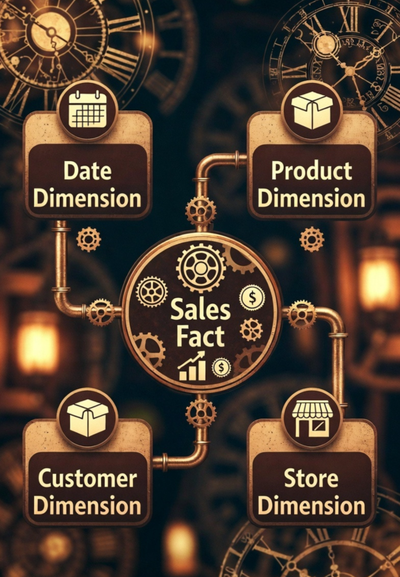
Is dimensional data modeling still relevant in the modern data stack? Short answer: yes. ✅

With modern warehouses and lakehouses (Snowflake, Databricks, BigQuery, etc.), it is tempting to think we can skip “old school” modeling and just throw everything into SQL and dashboards. But that usually leads to brittle, one-off solutions that are hard to extend and reconcile across teams.

Here is how we think about it.
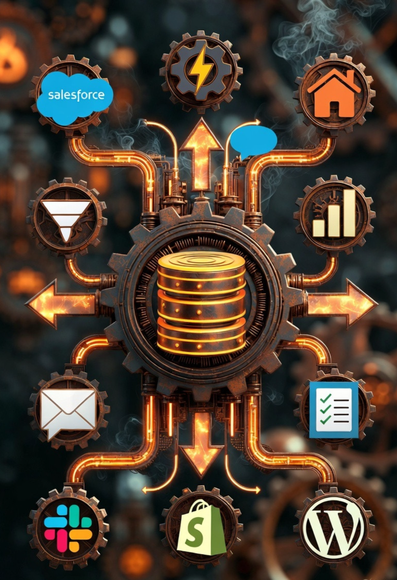
Reverse ETL is moving from “nice idea” to “must-have” in the modern data stack.

We invest heavily in cleaning and modeling data for analytics, but the real value shows up when that data flows back into the tools teams actually use every day.

So what is reverse ETL? 🔁
It’s the process of syncing trusted, modeled data from your warehouse into operational systems like CRM, marketing automation, support, HR so people can act on it directly in their workflows.

A few high-impact use cases:

Data analytics projects rarely fail because of technology alone. They fail because of how we approach them. Here are six patterns we see again and again that quietly undermine analytics initiatives 👇

1. Treating Excel as your “database”

How Your Company Can Actually Use Predictive Analytics (Without the Hype)

Every organization is looking for an edge whether that be faster decisions, fewer surprises, or better results. Predictive analytics helps you get there by using historical data and machine learning to forecast what is likely to happen next, so you can act before it does.

Really enjoyed Netflix’s Part 1 write-up on how they built their Real-Time Distributed Graph (RDG) to understand member behavior across devices, products, and sessions.

A few design choices that stood out:

From microservices to a unified graph:
Microservices gave Netflix service decomposition and data isolation – but also created data silos for data scientists/engineers. The RDG acts as a real-time, relationship-centric layer on top of all that fragmented data.

Most data and analytics “predictions” sound like recycled hype.

If you’re leading data, you don’t need more buzzwords. You need a focused, practical agenda that actually changes how your organization operates.

Here are seven priorities we are seeing with real clients right now:

1. Turn AI hype into impact

* Focus on specific use cases tied to cost, risk, or revenue.

2. Make your data usable, not just available

“AI-ready” data is more than clean tables sitting in the cloud. It’s data that’s readable by machines, governed with intent, enriched with business context, and supported by an architecture flexible enough to power many focused models.

In this guide:

What AI-Ready Data Looks Like—and what breaks when you don’t have it

How to Make Your Data AI-Ready

A Self-Assessment to Gauge Your Readiness

What AI-Ready Data Looks Like (and What Goes Wrong Without It)

Understanding the Four Types of Analytics and How to Use Them in Your Business [Part 3]

4. Prescriptive Analytics: What Should We Do?

What is it? Prescriptive analytics is the most advanced type, combining insights from descriptive, diagnostic, and predictive analytics to recommend specific actions. It answers, “What should we do?” Examples include:

Automatically adjusting pricing based on demand forecasts.

Recommending training for employees based on performance data.

Understanding the Four Types of Analytics and How to Use Them in Your Business [Part 2]

2. Diagnostic Analytics: Why Did It Happen?

What is it? Diagnostic analytics digs deeper into historical data to answer, “Why did it happen?” It helps uncover the root causes of trends or anomalies. For example:

Why did our sales drop in Q2?

Why are certain products outperforming others?

Why are we losing customers in a specific region?

Understanding the Four Types of Analytics and How to Use Them in Your Business

Data is the lifeblood of modern businesses, but raw data alone doesn’t tell you much. To unlock its potential, you need analytics—the process of turning data into actionable insights.