62 Followers
1 Following
13 Posts

Actionable #causalinference with real-world impact.

We use health data to help decision makers make better decisions. We train investigators at Harvard T.H. Chan School of Public Health.

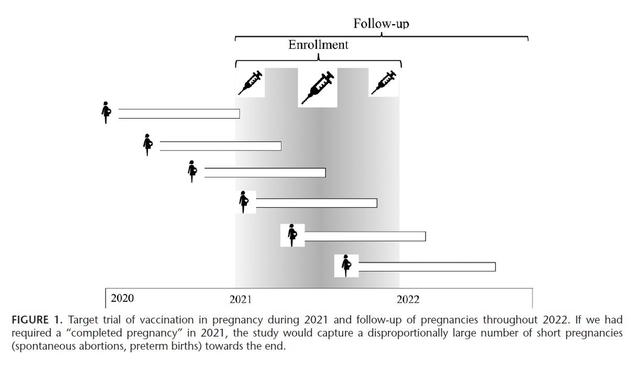
New Study! “Emulating a Target Trial of Interventions Initiated During Pregnancy“ by CAUSALab researchers Sonia Hernández-Díaz, Yu-Han Chiu, and @MiguelHernan.

A pilot checklist to navigate real world data.

Published in Epidemiology.

Learn more: https://causalab.sph.harvard.edu/causalab-news/
CAUSALab News

Visit the post for more.

CAUSALab

Seeking post-doc applicants for our new NIMH T32 training grant designed to train the next generation of #suicide researchers in the use of modern causal inference methods. #Postdocjobs

Interested? Apply now! Applications start getting reviewed late Feb.

https://causalab.sph.harvard.edu/suicideprevention/

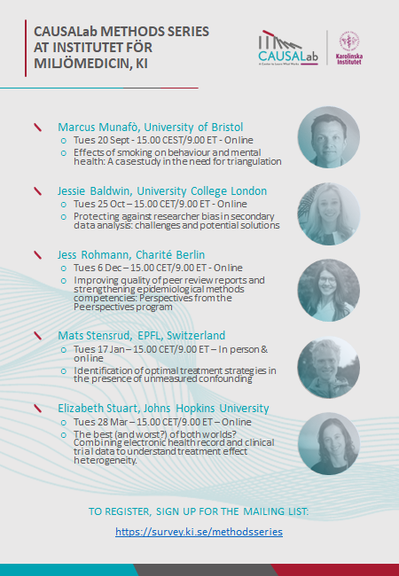
Did you miss last week's CAUSALab Methods Series with
Mats Strensrud at Karolinksa Institutet?

Check out the recording on CAUSALab's YouTube channel👉https://youtu.be/mrQDmItupkI

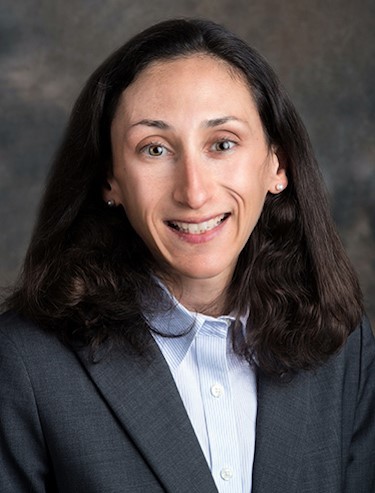
+ Mark your calendars! Next session takes place on Mar. 28 with Elizabeth Stuart.

Sign up: https://stats.sender.net/forms/e7JD1d/view

2023 CAUSALab Methods Series with Mats Stensrud

As part of 2023 CAUSALab's Methods Series at Karolinska Institutet, Mats Stensrud, Assistant Professor of Statistics at Swiss Federal Institute of Technology...

YouTube

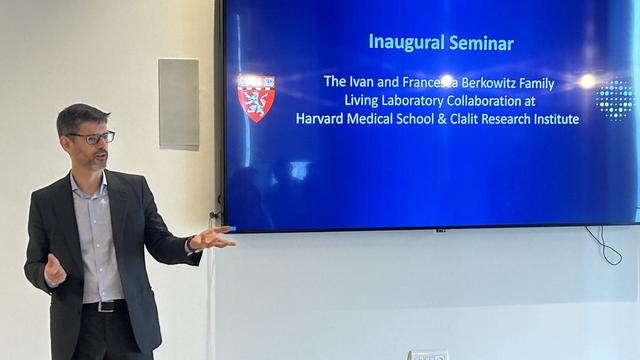
I was honored to be invited to speak at the launching of the #BerkowitzLivingLaboratory earlier this week in Tel Aviv.

The Laboratory brings even more opportunities for collaboration between @causalab and our colleagues at Clalit Research Institute and Harvard Medical School Department of Biomedical Informatics.

Looking forward to working with Ran Balicer, Reut Ohana, Noa Dagan, Galit Shaham, Ben Reis, Jacob Waxman, Marcelo Low, and everyone else at Clalit.

So much good work to be done.

Exciting news!

CAUSALab researcher and Assistant Professor Andrew Beam is Co-Host of new podcast NEJM AI Grand Rounds that will be showcasing hot topics on #ArtificialIntelligence, #MachineLearning and #CausalInference.

Check out the podcast and hit follow👉 https://ai-podcast.nejm.org

NEJM AI Grand Rounds | a podcast by NEJM Group

NEJM AI Grand Rounds, hosted by Arjun (Raj) Manrai, Ph.D. and Andrew Beam, Ph.D., features informal conversations with a variety of unique experts exploring the deep issues at the intersection of artificial intelligence, machine learning, and medicine. You...

Congratulations to Dr. Sarah Urbut on being awarded the first Quest Diagnostics and Steve Rusckowski Early Career Investigator Award for Preventive Cardiovascular Medicine Research!

We are excited to have Sarah join the CAUSALab team in a few months.

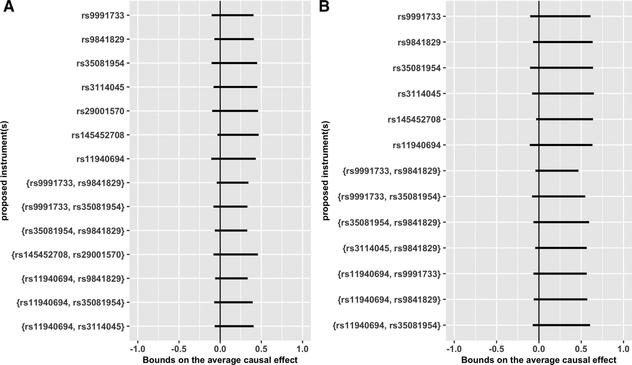
CAUSALab researchers Sonja Swanson & Lizzie Diemer published their newest study Partial Identification of the Average Causal Effect in Multiple Study Populations: The Challenge of Combining Mendelian Randomization Studies in the Journal of Epidemiology.

Learn more: https://causalab.sph.harvard.edu/causalab-news/

CAUSALab News

Visit the post for more.

CAUSALab

Time's running out! Early-bird registration for American PsychoPathological Association's 2023 Conference ends next week.

CAUSALab Director @MiguelHernan will be giving a talk on #causalinference in #mentalhealth research.

This year's conference organizer is Dost Ongur, Co-Director of LEAPCenter with @MiguelHernan.

Visit https://appassn.org/home/2023-annual-meeting/ to register.

#APPA23

2023 Annual Meeting: March 2-4, 2023 | APPA

If you're at the International Conference on Health Policy Statistics, keep an eye out for members of the CAUSALab team and say hello!

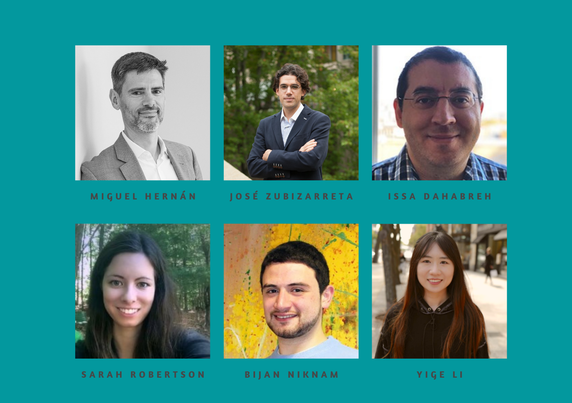
CAUSALab Director @MiguelHernan, Professors Jose Zubizarreta & Issa Dahabreh, & researchers
Sarah Robertson, Bijan Niknam, & Yigi Li are presenting today and tomorrow.

#ICHPS2023

Interested in #causalinference?

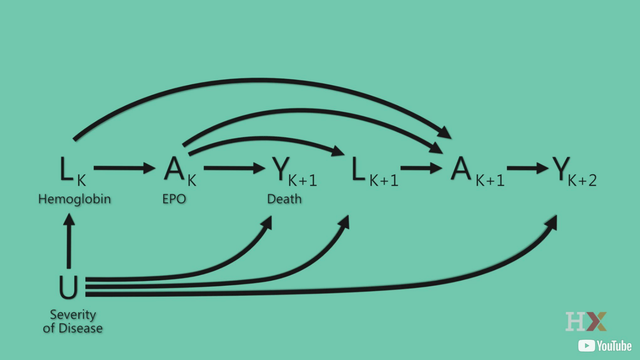
CAUSALab Director @MiguelHernan worked with HarvardX to put together a free #CausalDiagramsCourse.

Learn more and sign up below:
https://www.edx.org/course/causal-diagrams-draw-your-assumptions-before-your

Causal Diagrams: Draw Your Assumptions Before Your Conclusions

Learn simple graphical rules that allow you to use intuitive pictures to improve study design and data analysis for causal inference.

edX