 Harld
Harld 
En straks hebben ze ook toegang tot de #DigID gegevens.
"Microsoft deelde namen van Nederlandse ambtenaren met Amerikaanse overheid"
| Blog | https://brnrd.eu |
| FreeBSD | https://wiki.freebsd.org/BernardSpil |
| About me | https://brnrd.eu/pages/about.html |
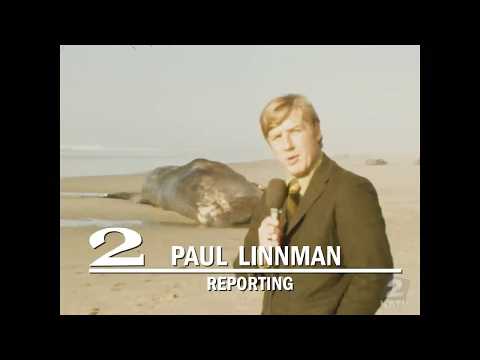
The infamous KATU Exploding Whale video has remastered! To celebrate the 50th anniversary of the infamous beached whale incident that took place in Florence,...
@harld joehoe @overheid
Hebben we dit goed in de gaten?
De digitale middelen die de overheid gebruikt worden ingezet tegen de overheid, door buitenlandse entiteiten.
"Dat zullen ze nooit doen, bad for business"???
En straks hebben ze ook toegang tot de #DigID gegevens.
"Microsoft deelde namen van Nederlandse ambtenaren met Amerikaanse overheid"
@Natasha_Jay the only car I know of that has a different wheel-base between left and right (the space between front and rear wheel).
My parents had multiple, I recall slowly pouring old paint through the holes in the floor to create a bread-crumb trail between our home and grand-parents.
The last one was a van model (dog house). I recall we lent it for holidays and sleeping in the back half way between .nl and .ch for wintersports.
My dad totalled it on the large round-about on the A9 at Halfweg. Flipped it...
@Tweakers Weer opnieuw een "World Online"...
de investeerders willen hun risico afwentelen op de "suckers".
Anthropic is toch ook met een beursgang bezig?
@da_667 personal preferences are fine, just pointing out there're alternative non-AI infested options.
I thought startpage also uses Bing?
https://en.wikipedia.org/wiki/Startpage says so, but a mix of Bing and Google content? Configurable?
Ultimate ownership at a US advertising company gives me shivvers (haven't checked, DDG and Qwant could be equally shivver-inducing)