| GitHub | https://github.com/brainsnail/ |
| GitHub | https://github.com/brainsnail/ |
Reading “Thinking in Systems”
“Purposes are deduced from behavior, not from rhetoric or stated goals”
We often get stuck on what is said and forget to look at results. If the results never match what is said then you need to realize maybe what is said is meant to mislead. It could also be lack of skills but that is not much better.
In my experience, most engineering misalignment comes down to interpretation of requirements. Someone says, “We should support Y.” That can mean different things depending on context.
The easy move is to make a reasonable assumption and start building, because asking clarifying questions feels slower, especially in async teams where you might be waiting for a reply. But I’ve found that taking the time to align first is usually cheaper than the rework that follows a wrong assumption.
I wrote about why this keeps happening and why senior engineers modeling clarification publicly makes more difference than we think: https://sleepingpotato.com/asking-questions-takes-less-time-than-doing-the-wrong-thing/

There's a reason the tree swing cartoon is so widely known and remixed. It captures something almost everyone in the software industry has experienced: you thought you were clear when writing requirements or asking for something, but the other person interpreted it differently. Everyone knows this happens. The interesting question
*Tim Cook comes back to the stage*
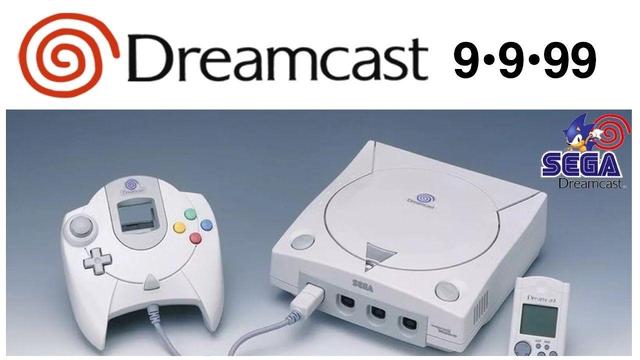
It wouldn’t be an Apple event without… one more thing. In deep partnership with Sega — today on 9/9 — we’ll be announcing… the 26th anniversary Dreamcast.
The reality is that most of the task skills we learn, we forget and then need to learn again. The reality is that all modern careers are strange historically situated ways of doing things, not inherently The Best Way for our minds. Hell screens aren't even good for our eyes and it's not like we've fixed that.
But I am not a fan of scaremongering about this, as if our minds are pristine museums rather than complex and adaptive systems we use in a continually changing and challenging world.