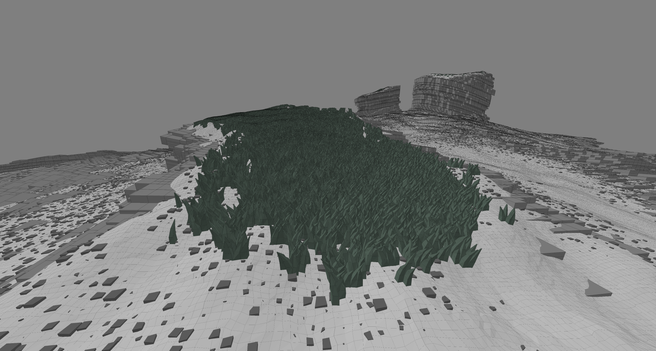
Can you notice my LoD transitions?
@bcace
- 2 Followers
- 42 Following
- 40 Posts
@runevision ah, it was a joke, i exaggerated transitions just to show what i'm doing - you will see if you look at it on a bigger screen
Playing with sea stacks https://www.youtube.com/watch?v=Npb_PYI7HB4
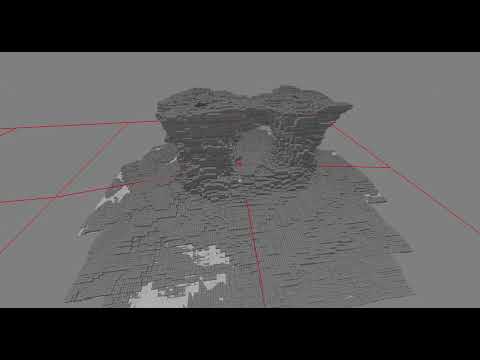
Pickie 2026 03 22 15 28 29
@triptych @bug "That's what really defines the debate here. Folks who feel if you aren't typing out every function yourself you are a poser" I feel like this can be a bit more nuanced - I enjoy typing out things myself because i eliminated as much boilerplate as possible and what remains is mostly learning by doing