 Lobsters
Stop advertising in your commits by @aks https://lobste.rs/s/w1gpe7 #programming #rant
https://akselmo.dev/posts/stop-advertising-in-your-commits/
https://akselmo.dev/posts/stop-advertising-in-your-commits/

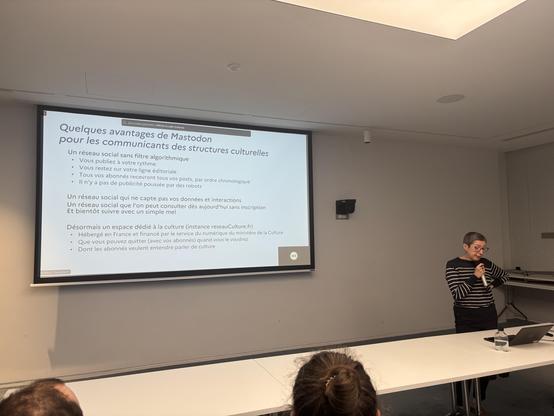
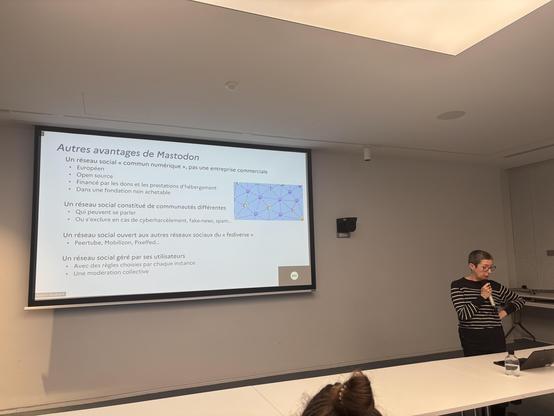
Ce matin, j’assiste à la présentation de l’expérimentation @cercle, ou diverses institutions culturelles françaises se sont lancées ensemble sur #mastodon pendant 9 mois, sous l’égide du Ministère de la Culture.
@ChristineDebray commence par présenter le Fediverse et ce qu’il apporte aux institutions et à la culture
The next major Forgejo release and LTS version (v15) is about to be released tomorrow, April 16.
Additionally, the Forgejo community invites all users to a release and upgrade party starting 16.00 UTC (18 CEST). It can be used to review the release cycle, exchange feedback and discuss future plans. Also, Admins are invited to perform upgrades of their instances during the meeting and get help from maintainers in case of any issues.
Audio + chat meeting on BigBlueButton: https://lecture.senfcall.de/ott-hqp-axg-yvm
#FreeBSD 's #pkg 2.7.0 is out!
Highlights:
- Per-package triggers (with pkg_upgrade variable)
- Install directly from http://, https:// or file:// URLs
- Switched back to libfetch
- Solver fixes for multi-repo setups, fewer spurious reinstalls
- autoremove now aware of install/delete/upgrade
- search -S comment-description, query %y/%Y for provides/requires
- Tons of crash, memory leak and portability fixes

 K. Ryabitsev-Prime 🍁
 Renaud Chaput
 Forgejo