RE: https://masto.ai/@rbreich/116263933965786697
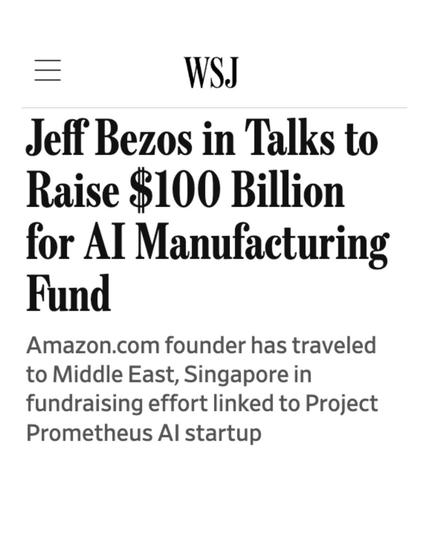
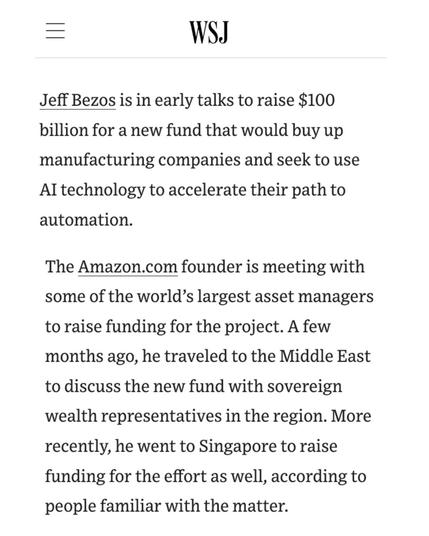
Bezos is a living example of how to screw others for own gain

RE: https://masto.ai/@rbreich/116263933965786697
Bezos is a living example of how to screw others for own gain
Whatever...
Trump Quietly Appoints Erika Kirk To U.S. Air Force Academy Board
https://www.huffpost.com/entry/erika-kirk-us-air-force-academy-board_n_69b0488ce4b07e0eaa236f21
I guess MAGA women really are exceptional. They’re part of a rare club: female pedophiles.
Erika Kirk Faces Backlash Over Alleged 'Inappropriate' Texts With A 15-Year-Old: 'Absolutely Vile'
https://www.yahoo.com/entertainment/celebrity/articles/alleged-texts-between-erika-kirk-224522698.html

Which Media Outlets Drove the Famous Euromyths Below are the key outlets — and one iconic “Euromyth” each helped popularize. The Sun Famous Euromyth: “EU bans curved bananas.” The Sun repeatedly claimed that Brussels had outlawed bananas that weren’t straight enough. In reality, the EU simply introduced a voluntary classification system for fruit quality — nothing was banned. But the story became one of the most enduring symbols of supposed EU absurdity. Daily Mail Famous Euromyth: “EU to ban British prawn cocktail crisps.” The Daily Mail ran stories suggesting the EU wanted to outlaw the flavouring used in prawn cocktail crisps. The claim was false — the EU was updating food additive regulations, not banning British snacks. Still, the myth fed the narrative that Brussels meddled in everyday British life. Daily Express Famous Euromyth: “EU forces British fishermen to throw perfectly good fish back into the sea.” The Express pushed dramatic stories about EU fishing quotas requiring fishermen to discard catches. While the quota system was real, the reporting exaggerated the rules and ignored the UK’s role in negotiating them. The myth became a powerful emotional symbol of EU “madness.” The Telegraph Famous Euromyth: “EU plans to abolish the British pint.” The Telegraph published stories claiming the EU wanted to replace pints with metric measures. In reality, the EU explicitly allowed the UK to keep pints as a “permitted supplementary unit.” The myth reinforced fears that Brussels threatened British culture itself. The Times Famous Euromyth: “EU to force barmaids to cover up cleavage.” The Times reported that EU workplace safety rules would require barmaids to wear hairnets and “protective clothing,” implying Brussels was policing women’s bodies. The underlying directive was about industrial safety — not pub attire. But the story spread widely and stuck. The Spectator Famous Euromyth: “EU wants to create a European superstate.” The Spectator frequently published commentary claiming the EU was plotting to erase national sovereignty and form a centralized superstate. While the EU has always had integrationist ambitions, the magazine’s framing amplified existential fears about the loss of British identity and autonomy. Why These Euromyths Mattered Each myth was trivial on its own — bananas, crisps, pints, barmaids. But together, they created a powerful emotional narrative: The EU is absurd The EU is controlling The EU interferes in daily life The EU threatens British identity The EU is the cause of domestic problems This drip‑feed of sensationalism shaped public perception long before Brexit was even imagined as a political possibility. By the time the referendum arrived, millions of people had internalized these stories as cultural truth — even if they couldn’t remember where they first heard them and they were not true.
Which Media Outlets Drove the Famous Euromyths Below are the key outlets — and one iconic “Euromyth” each helped popularize. The Sun Famous Euromyth: “EU bans curved bananas.” The Sun repeatedly claimed that Brussels had outlawed bananas that weren’t straight enough. In reality, the EU simply introduced a voluntary classification system for fruit quality — nothing was banned. But the story became one of the most enduring symbols of supposed EU absurdity. Daily Mail Famous Euromyth: “EU to ban British prawn cocktail crisps.” The Daily Mail ran stories suggesting the EU wanted to outlaw the flavouring used in prawn cocktail crisps. The claim was false — the EU was updating food additive regulations, not banning British snacks. Still, the myth fed the narrative that Brussels meddled in everyday British life. Daily Express Famous Euromyth: “EU forces British fishermen to throw perfectly good fish back into the sea.” The Express pushed dramatic stories about EU fishing quotas requiring fishermen to discard catches. While the quota system was real, the reporting exaggerated the rules and ignored the UK’s role in negotiating them. The myth became a powerful emotional symbol of EU “madness.” The Telegraph Famous Euromyth: “EU plans to abolish the British pint.” The Telegraph published stories claiming the EU wanted to replace pints with metric measures. In reality, the EU explicitly allowed the UK to keep pints as a “permitted supplementary unit.” The myth reinforced fears that Brussels threatened British culture itself. The Times Famous Euromyth: “EU to force barmaids to cover up cleavage.” The Times reported that EU workplace safety rules would require barmaids to wear hairnets and “protective clothing,” implying Brussels was policing women’s bodies. The underlying directive was about industrial safety — not pub attire. But the story spread widely and stuck. The Spectator Famous Euromyth: “EU wants to create a European superstate.” The Spectator frequently published commentary claiming the EU was plotting to erase national sovereignty and form a centralized superstate. While the EU has always had integrationist ambitions, the magazine’s framing amplified existential fears about the loss of British identity and autonomy. Why These Euromyths Mattered Each myth was trivial on its own — bananas, crisps, pints, barmaids. But together, they created a powerful emotional narrative: The EU is absurd The EU is controlling The EU interferes in daily life The EU threatens British identity The EU is the cause of domestic problems This drip‑feed of sensationalism shaped public perception long before Brexit was even imagined as a political possibility. By the time the referendum arrived, millions of people had internalized these stories as cultural truth — even if they couldn’t remember where they first heard them and they were not true.
Brexit wasn’t born in 2016.
It was built over 30 years of tabloid outrage, fake EU stories, and powerful interests shaping public opinion.
The media didn’t report Brexit — it made it possible.
Read the full breakdown on Substack.
https://torilm.substack.com/p/how-the-british-media-made-brexit?r=3lzgzv

 Robert Reich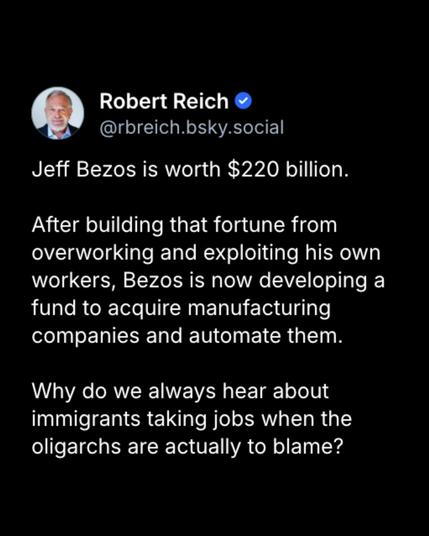
 Democracy Matters