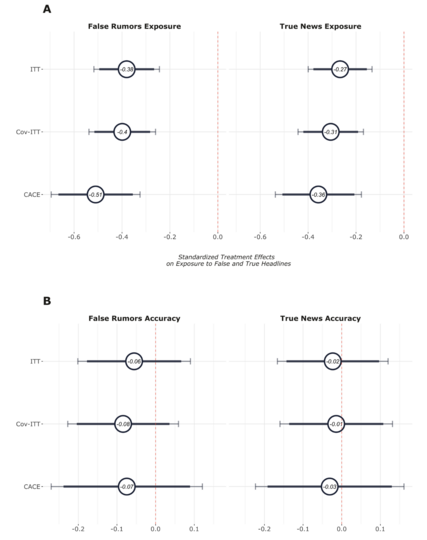
Reducing multimedia (📷📽️🎙️) consumption on WhatsApp for three weeks in 🇧🇷 led to a decrease in exposure to true and false news but had no effect on belief in true and false news. It also had no effect on polarization and well-being.

Postdoc at the University of Zurich in the Digital Democracy Lab
🔎 Misinformation, misperceptions, social media & (dis)trust
| Research | https://sites.google.com/view/sacha-altay/research?authuser=0 |
| Science popularization | https://sites.google.com/view/sacha-altay/science-popularization?authuser=0 |
Reducing multimedia (📷📽️🎙️) consumption on WhatsApp for three weeks in 🇧🇷 led to a decrease in exposure to true and false news but had no effect on belief in true and false news. It also had no effect on polarization and well-being.
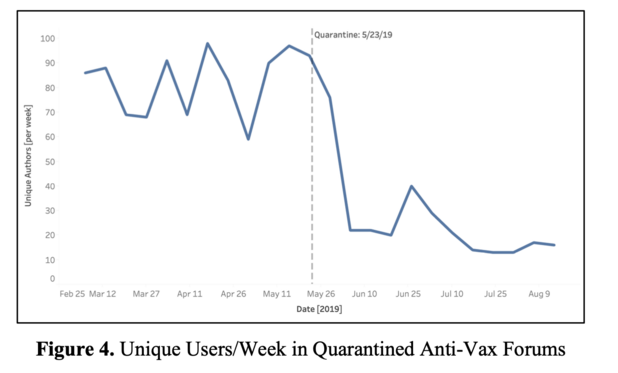
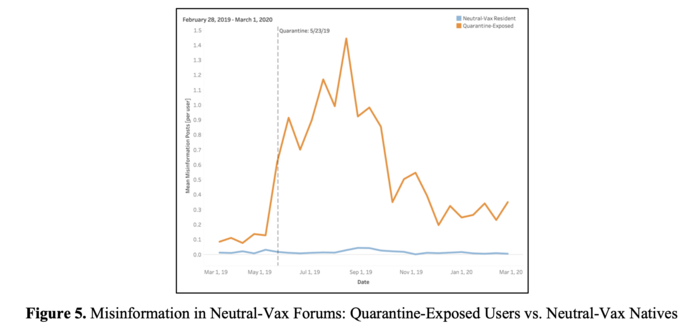
Quarantining anti-vax forums on Reddit reduces misinfo in these groups, which leads misinfo superspreaders to post misinfo elsewhere.
Yet, this spillover effect is short-lived because anti-vax misinfo does not resonate outside of the anti-vax forums.
New Working paper!
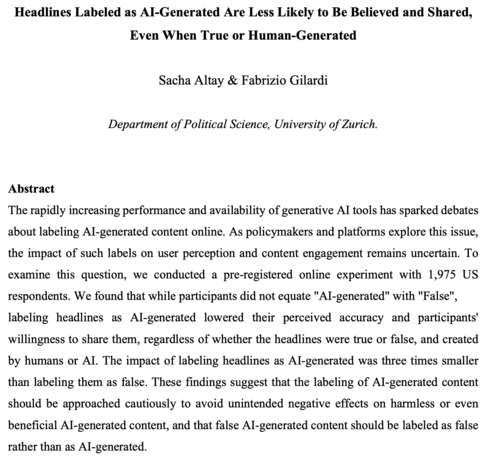
Should AI-generated content be labeled as such on social media?
We show that these labels would have detrimental consequences on harmless AI content and would be less effective than false labels in preventing the spread of false news.
New paper in the HKS Misinformation Review 🎉
We surveyed 150 experts on misinformation and identified areas of expert consensus regarding definitions of misinformation, its determinants, solutions, and the future of the field.
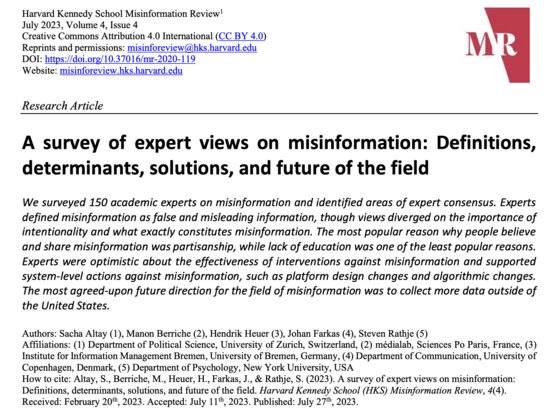

We surveyed 150 academic experts on misinformation and identified areas of expert consensus. Experts defined misinformation as false and misleading information, though views diverged on the importance of intentionality and what exactly constitutes misinformation. The most popular reason why people believe and share misinformation was partisanship, while lack of education was one of the least
The last paper of my PhD is out in the British Journal of Social Psychology!
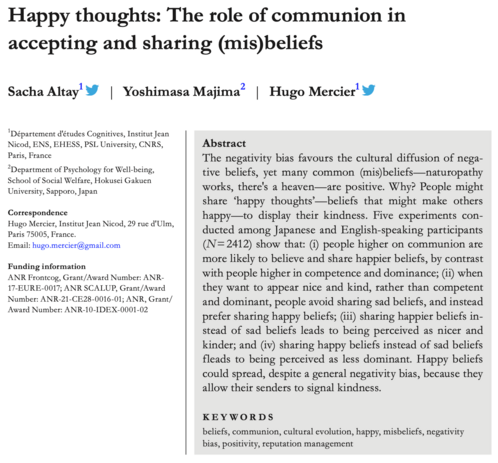
We show in five experiments (🇬🇧🇯🇵) that happy (mis)beliefs (🧙♂️🎅👼🧘♀️) may spread because they allow senders to signal how nice & kind they are 🥰
🔓 https://psyarxiv.com/3s4nr/
🖨️https://doi.org/10.1111/bjso.12650
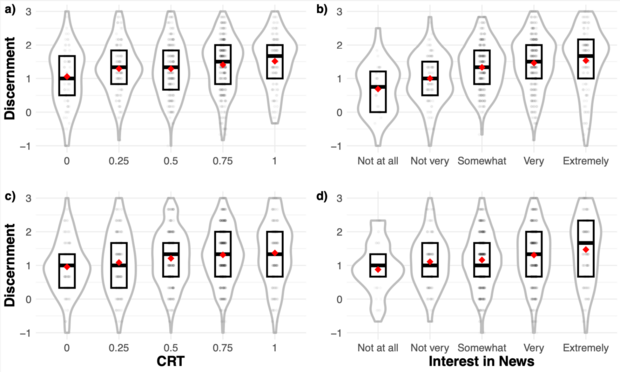
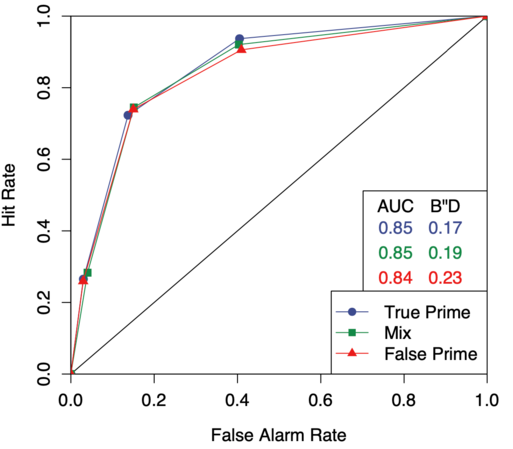
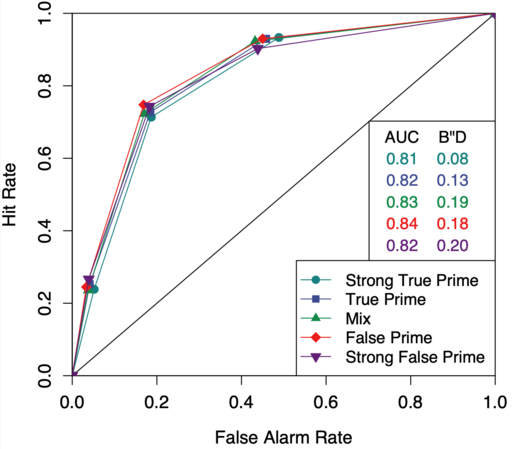
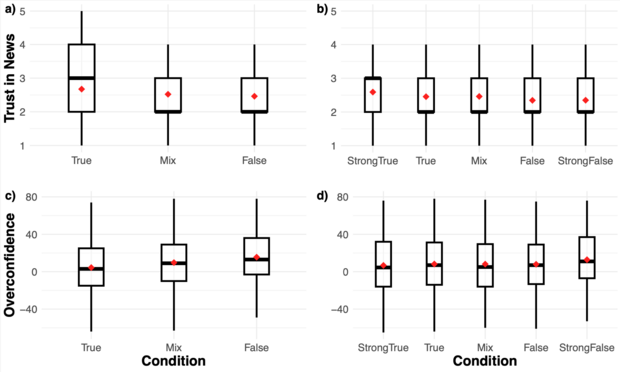
New WP 😀
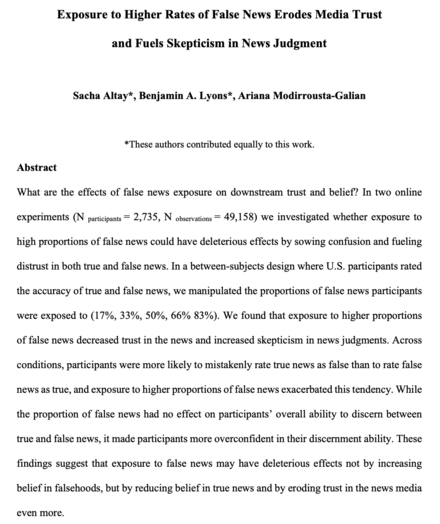
We exposed 2735 participants to various proportions of false news (17%, 33%, 50%, 66% 83%), and found that exposure to higher rates of false news erodes trust in the news and fuels skepticism in news judgment.
👉 psyarxiv.com/t9r43
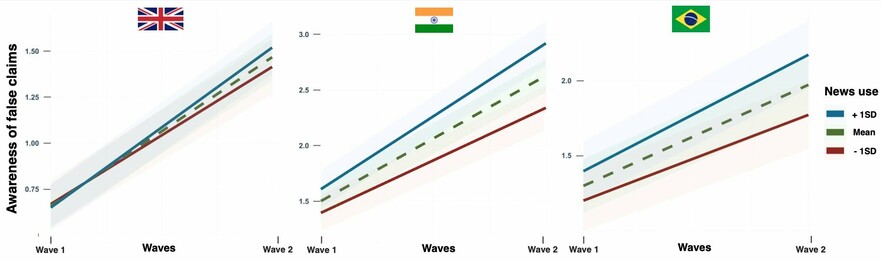
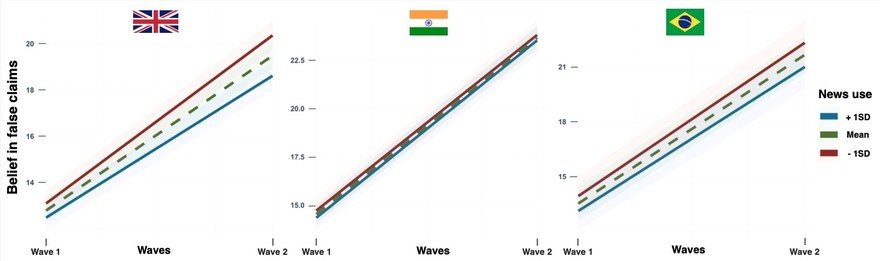
In 🇧🇷🇮🇳🇬🇧 news use broadened awareness of false claims, but it did not increase belief in them. In 🇬🇧 news use even decreased false beliefs acquisition!
Platforms like YouTube (🇬🇧) and Telegram (🇧🇷) broadened awareness of false claims.
Twitter (🇬🇧) weakened false belief acquisition, while Messenger (🇬🇧), Pinterest (🇬🇧), and LinkedIn (🇧🇷) strengthened false belief acquisition.