@One_A_Day_Facts

2 Followers
6 Following
9 Posts
Learn one fascinating, interesting, thought-provoking, mysterious, hilarious, weird, creepy, or mind-blowing fact, everyday. #Facts #Learning #History
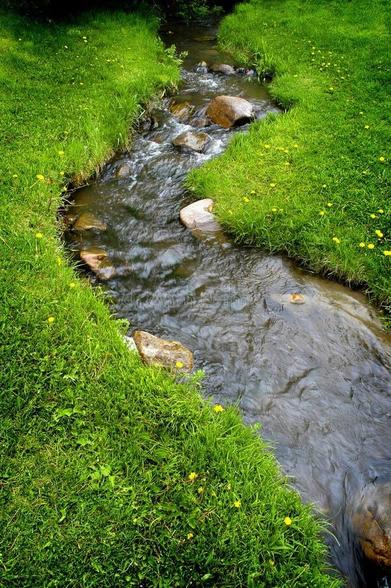
Water may or may not be wet. Yes, you read that correctly! The majority of scientists define wetness as a liquid maintaining contact with a solid surface. If that’s the case, that would mean water only makes other objects wet but isn’t actually wet itself! But it is something that covers and saturates objects, flowing and conforming to its container, volume, and itself, since its molecules constantly touch each other via cohesive force. So, I guess it's up to interpretation. 🤷
#Nature #Learning
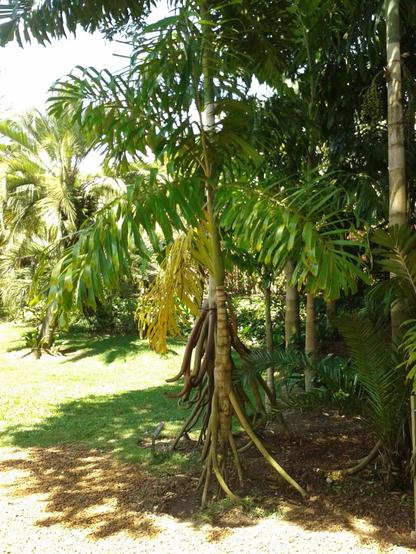
The Socratea exorrhiza or cashapona, also known as the walking palm is found in Central and South America, that can move. Yes, really! Growing 8 to 25 meters (26 to 82ft) tall with 12 to 16-centimeter (4.7 to 6.2-inch) unbranched trunks, and up to 3-meter (10ft) stilt-like roots. When soil errodes or a tree falls on them, new roots grow and the old ones decay, as the palms gradually move, sometimes for 20 meters (65ft), until they are righted or reach stable soil.
#Nature #Learning #Interesting
The Hura crepitans or sandbox tree, also called the jabillo, monkey no-climb, or the dynamite tree, is found in North and South America, and some of Tanzania. The trunk is lined with sharp spikes that ooze a poisonous sap which causes a rash, vomiting, diarrhea, and even blindness! They also bare pumpkin-like fruit that explode when ripe, dispersing the seeds at alarming speeds of 160 miles per hour (250 km/h) hurling them anywhere from 30 to 100 meters or 100 to 330ft!
#Nature #Facts #Learning
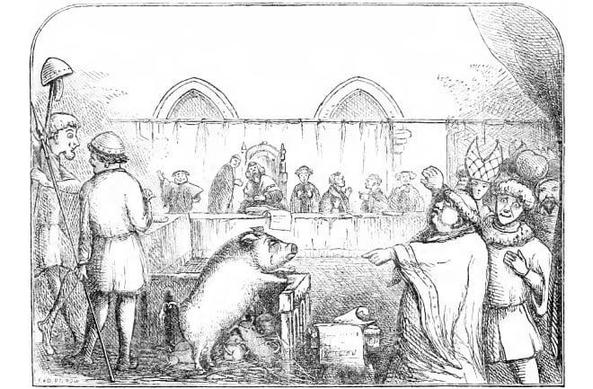
In 1385, a pig killed an infant named Jean Le Maux in Falaise, France. The following year, the pig was actually given formal legal proceedings, receiving a trial, lawyer, and clothing. After being found guilty, the pig was injured in the same manner that Le Maux was harmed, and publicly hanged to reinforce the notion of justice was served under the law. Other animals like rats, a hen mistaken for a rooster, a monkey, donkey, weevils, and even ants were also put on trial.
#Weird #History #Facts
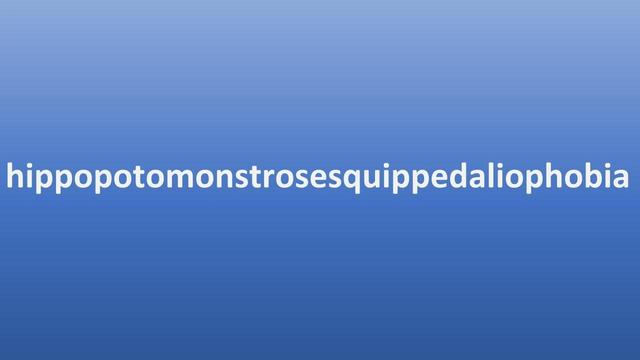
Ironically, hippopotomonstrosesquippedaliophobia is the name for the fear of long words, coined by poet Aimee Nezhukumatathil in 2000. Originally, it appeared in Ars Poetica or The Art of Poetry by Roman poet, scribe, and soldier Quintus Horatius Flaccus or Horace circa 18 or 19 BCE, as the term sesquipedalia verba, literally meaning “foot-and-a-half-long words.” And contrary to popular belief, Horace used the term to admonish verbose scribes, not as a way to criticize them.
#History #Learning
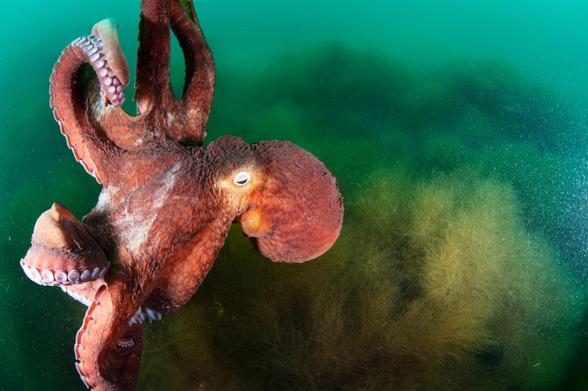
Octopi have two branchial hearts pump blue blood through their gills, and a systemic heart circulating oxygenated blood through their bodies. The reason they like to crawl is because the systemic heart doesn’t beat while swimming. Oh, and they have nine brains—yep. The central doughnut-shaped brain controls the main processing. The eight ganglia or decentralized brains are in their arms, enabling them to touch, taste, move on their own, and even control the other arms!
#Nature #Facts #Learning
The word ”lukewarm” comes from the Middle English leuk or ”tepid” a word of unknown origin that popped up around the year 1200. It likely came from the Old English hleoc, a cognate with Middle Dutch or Old Frisian origins, which was a variant of the Proto-Germanic word hleowe, which meant “warm.” In others words, lukewarm essentially translates to ”warm-warm.” Yep.
#History #Learning #Facts
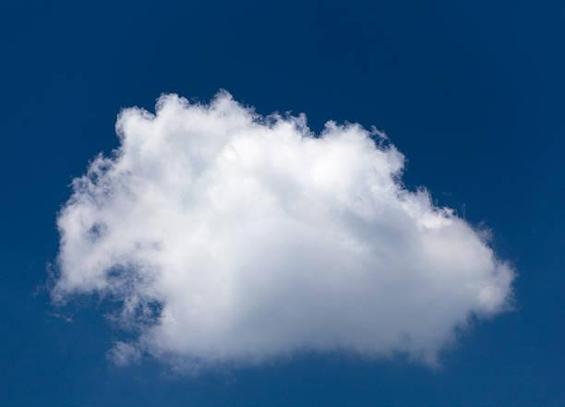
A single cloud weighs around 1.1 million pounds! They also have a typical 1km3 volume, with a 1.003kg per m3 density 0.4 percent lower than the air around them, enabling them to float.
#Learning #Nature
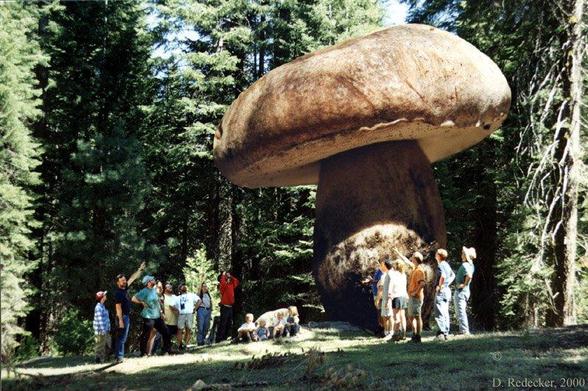
The Armillaria ostoyae, a type of honey mushroom is the largest species of mushroom and weigh more than the blue whale! One in Michigan is over 1,000 years old and weighs 440 tons—the equivalent of the weight of three blue whales! The Humongous Fungus located in the Malheur National Forest of Oregon is approximately 2,385 years old, encompasses an area of 2,240 acres, and weighs as much as 35,000 tons, making it the largest living organism on Earth by mass, area, and volume!
#Nature #Learning