Mark Thornton

@Mark_A_Thornton
197 Followers
254 Following
24 Posts
Assistant Professor at Dartmouth. Social neuroscientist studying how people understand and predict other people.
Personal websitehttp://markallenthornton.com
Lab websitehttp://scraplab.org
Experiment platformhttps://mysocialbrain.org
Twitterhttps://twitter.com/Mark_A_Thornton
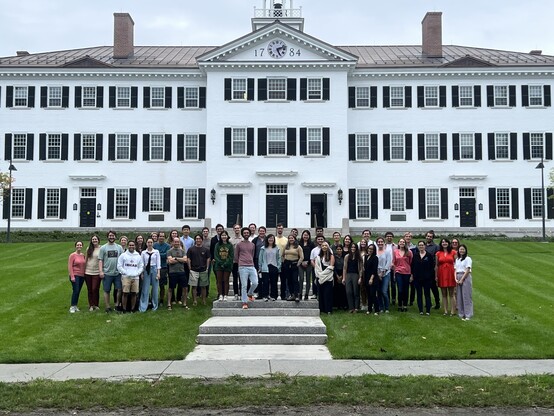
That's it for MIND '23! Thanks to this awesome group of scholars for coming to Dartmouth PBS to learn & share methods for studying Interacting Minds! And for those who couldn't come, stay tuned: we will be releasing the tutorials from this year in a Jupyter book!
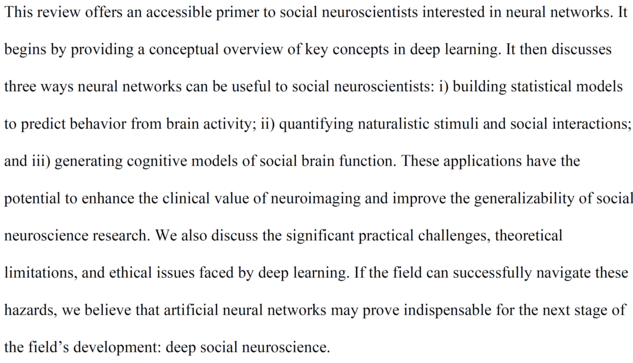
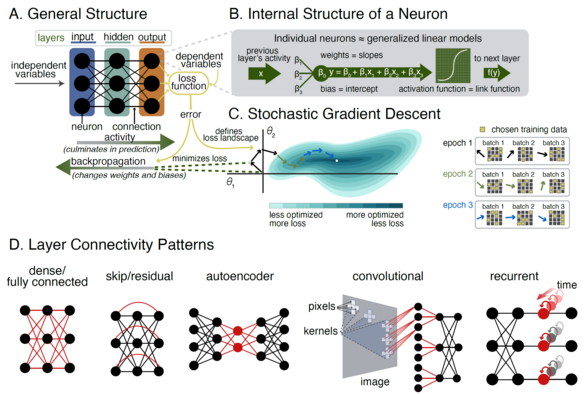
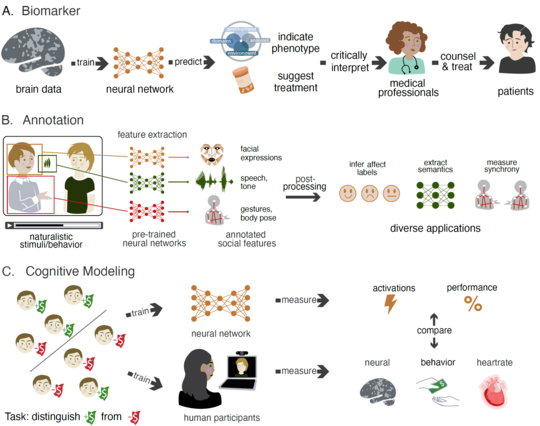
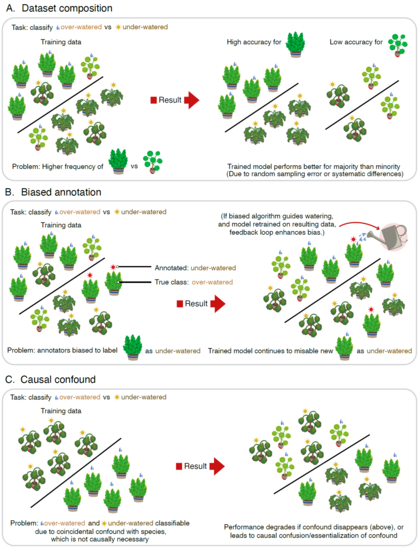
New preprint from @beausievers and me!

"Deep social neuroscience: The promise and peril of using artificial neural networks to study the social brain"

https://psyarxiv.com/fr4cb

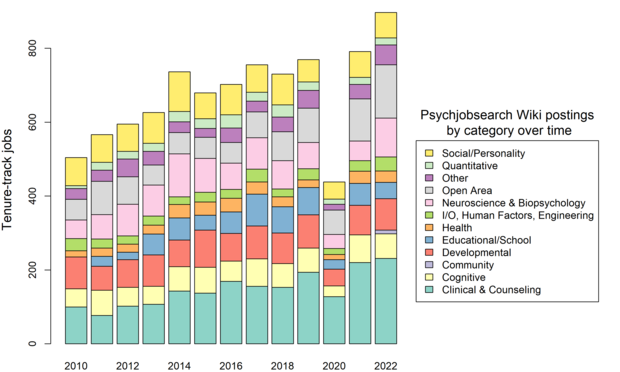
Looks like the psych job wiki will *not* be resetting this year! 😱 So for potentially the last time, here is my updated scrape of the job numbers 👇 2022-23 was another record-breaking year, with a total of 897 tenure track jobs listed!

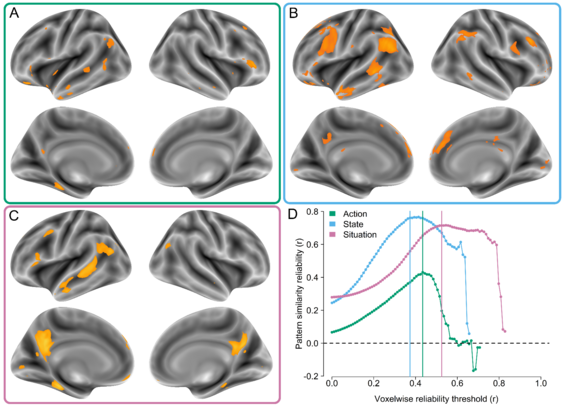
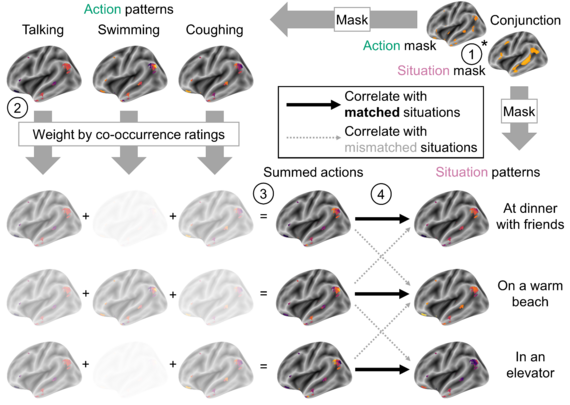
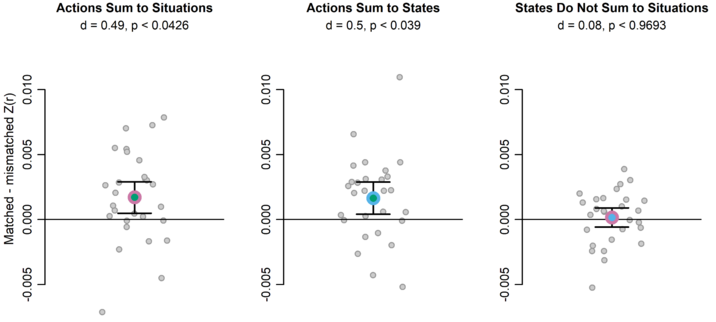
New preprint from me & Diana Tamir! "The brain represents situations and mental states as sums of their action affordances" We present fMRI evidence that neural representations of situations & states reflect predictions about associated actions.

Preprint: https://psyarxiv.com/7eskf

Pre-reg: osf.io/whsx8/

Data & code: osf.io/qwd2k/ & https://openneuro.org/datasets/ds004226/

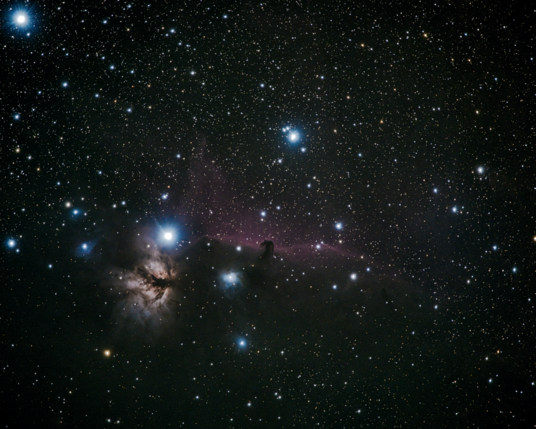
Managed to get in a little astrophotography over the weekend. Despite it being cloudier than expected, I got this shot of part of the constellation Orion near the star Alnitak, featuring the Horsehead Nebula (right, red) and the Flame Nebula (left, pale yellow).
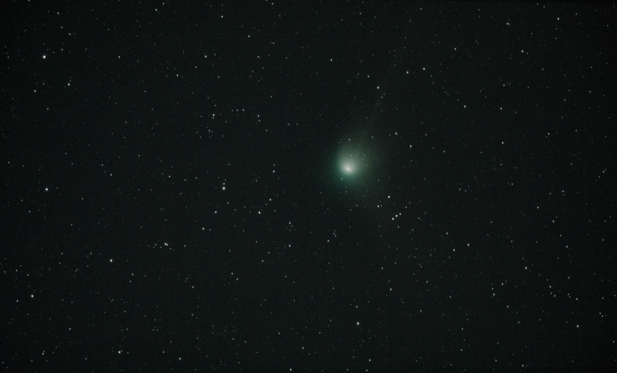
I managed to take a quick shot of comet C/2022 E3 (ZTF) during a brief window of clear skies over the weekend. Check it out with a pair of binoculars or a telescope if you have one! Best viewing for the next week or so - and once it's gone, it's never coming back!

Updated preprint:

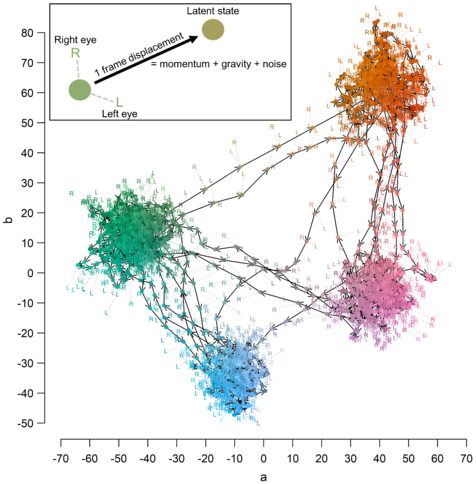
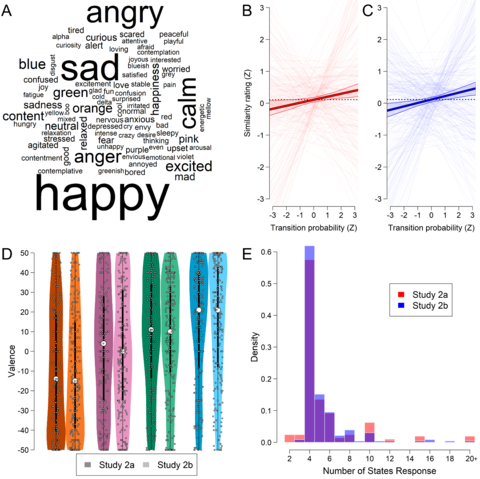
In two new experiments (Study 2a&b) added to the manuscript linked below, participants learned about an alien's emotions by observing a noisy cue - its eyes (see gif). Behind the scenes, the eyes were controlled by a dynamic state space model (2nd image). Supporting the results we reported earlier, we found that the alien's transition dynamics shaped how participants conceptualized its emotions (3rd image).

https://psyarxiv.com/kbcsj

@socialpsych
#NewPsychResearch #SocPsych