Jarold the fey familiar of a trash druid, coughing up some glitter
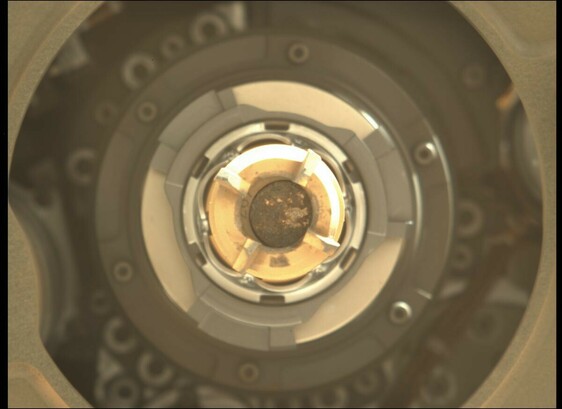
So Perseverance has taken samples of those rocks and stored them in special tubes that will be brought to Earth by a follow up mission, named Mars Sample Return. On Earth we will be able to analyse them in more detail, and figure out exactly what they’re made of. They probably won't be brought back until the mid 2030s, but planetary exploration is all about patience!
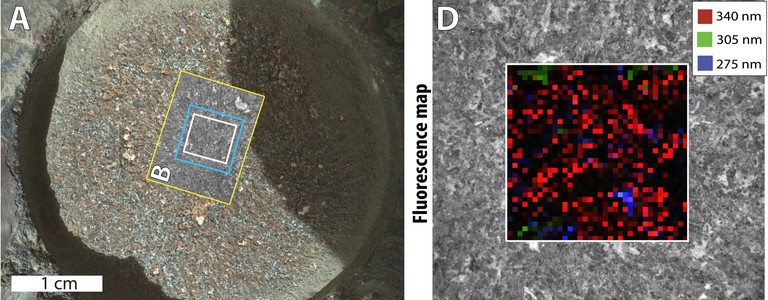
SHERLOC has detected fluorescence signatures consistent with aromatic organic molecules. This class of organics include some of the components that make up life on Earth, but they can also be made by non-biological processes, meaning that they are not proof of life on their own. We will need to bring them back to Earth for more detailed analysis to determine exactly what organics are present, and whether it could have been made by living things.
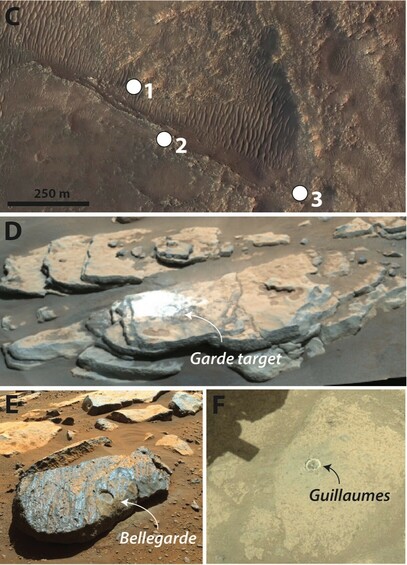
This paper, written by @EvaLScheller and myself with help from the rest of the team, reports some of the major findings from @SHERLOC2020 during the first 200 sols (martian days) of the @NASAPersevere mission when the rover was exploring the floor of Jezero Crater.
After drilling holes in rocks to expose less-weathered material, SHERLOC and other instruments have detected igneous olivines, and that they were later altered by water, producing carbonates and amorphous silicates.
I made a friend (yesterday)
Today is
#LGBTQSTEMDay ! A day to celebrate all the LGBTQ+ people who work in or study science, technology, engineering, and mathematics. I’m proud to be a part of a worldwide community of amazing people doing amazing things!
The coveted Beetle tummy tickle