https://hasetri.com/working-domain/vehicle-dynamics/

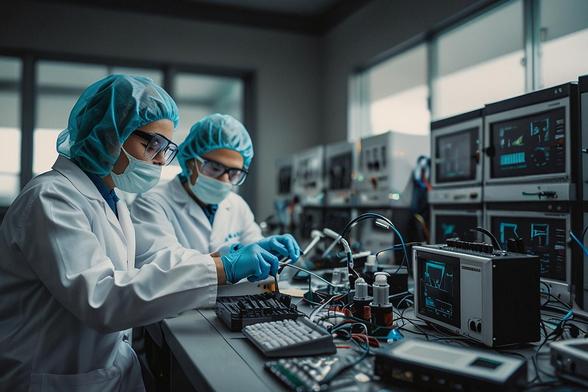
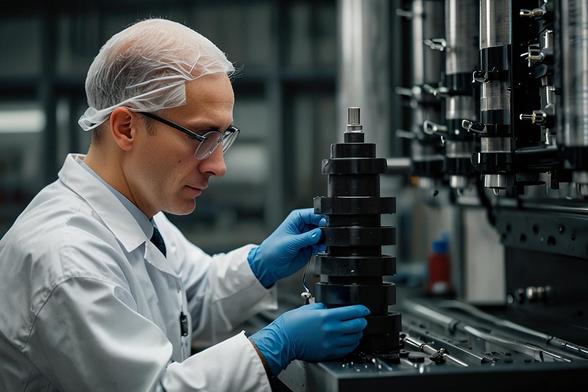
A #NABLlabforrubbertesting lab is more than a testing facility—it’s a symbol of technical excellence and global compliance. Operating under the framework of ISO/IEC 17025, these labs are recognized for their accuracy, reliability, and quality management systems.
Inside such a lab, every step—from sample preparation to final report generation—is meticulously standardized.
This is where #elastomertesting plays a critical role.
Through tests like tensile strength, tear resistance, compression set, and thermal aging, engineers assess an elastomer’s mechanical and chemical stability. Advanced analytical methods such as Dynamic Mechanical Analysis (DMA) and Ozone Resistance Testing reveal how elastomers behave under cyclic loading and exposure to elements.
https://hasetri.com/services/material-characterisation/rubber-elastomer-physical-testing/
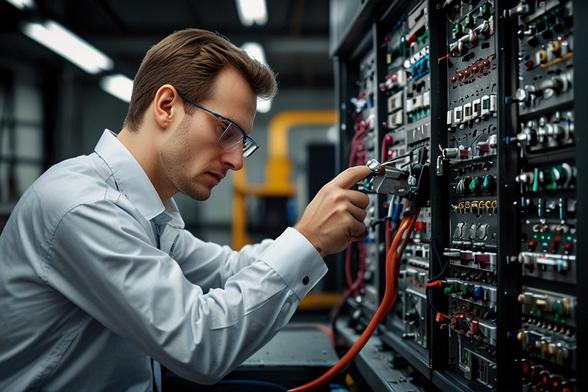
#NVHtesting involves using sensors, microphones, and vibration analyzers to capture sound and motion data. Engineers then identify and eliminate sources of discomfort, such as rattles, engine hums, or tyre vibrations.
As electric vehicles become more common, NVH testing has gained even more importance. Without engine noise, even minor vibrations or air leaks become noticeable.
https://hasetri.com/working-domain/vehicle-dynamics/in-cabin-indoor-noise/
#Vehicledynamics is the science of how vehicles move, respond, and interact with the road. It encompasses acceleration, braking, steering, suspension, and tyre behavior—factors that determine ride comfort, stability, and handling.
Engineers use mathematical modeling and simulations to analyze forces acting on a vehicle’s body. Testing parameters like weight distribution, traction, and aerodynamics help optimize design for performance and safety.