Christopher Nichols @[email protected] on Twitter
“Judging from all the coughs and sneezes I've witnessed traveling this Thanksgiving Holiday Season maybe we need a new public health campaign akin to fall 1918?”
Historians of humanitarianism and international aid: I've created a discussion group to help connect us on this platform. Please follow, tag, and share!
SHAFR friends, thanks to @BrianJAP 's help, I started a discussion group for SHAFR. If you're interested in US foreign relations and/or international history, it looks like it should be a good way to connect here. Please spread the word!
@robrakove
@CMcKNichols
@IlariaScaglia
@karinewalther
@econroykrutz
@Megan_A_Black
@gbrew24
@marcpalen
@DowdallAT
@Briandrohan
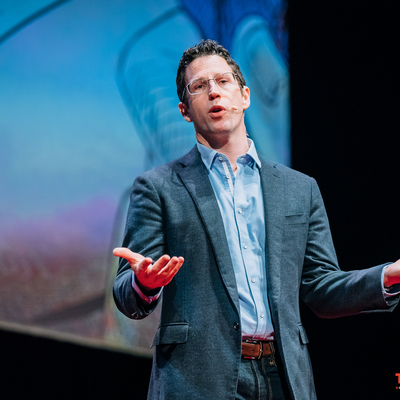
I had a great time discussing the concept of "America First" and its history, isolationism, internationalism, non-and-anti-interventionism, and much more with Martin Di Caro on the Washington Times podcast History As It Happens. Our subject for the day: The First 'America Firsters':
http://historyasithappens.radio.washingtontimes.com/the-first-america-firsters
Donald Trump's announcement that he will seek the presidency once more has brought a renewed focus on his worldview, his vision for the U.S. role in a complicated world. 'America First' has a long lineage in our politics, reaching back to a time when isolationism was the dominant foreign policy constituency in the country. In this episode, historian Christopher McKnight Nichols explores the continuities and major differences between the America First attitudes of the interwar period and today's Trumpist populism of the post-Cold War era.
The United States was a nation forged in the ideological fires of a democratic revolution to overturn monarchy and imperial control. Yet many American leaders and citizens ever since have denied or rejected a foreign policy guided by ideology. Why? If ideas and ideologies help us to order and explain the world, often serving as rationales for (in)action as well as explanations for success or failure, how does the history of U.S. foreign relations appear differently when viewed through the lens of ideology? In short, how has and does ideology drive U.S foreign relations? Panelists: Christopher McKnight Nichols, Professor of History and Wayne Woodrow Hayes Chair in National Security Studies at The Ohio State University. An Andrew Carnegie Fellowship Award winner and Organization of American Historians Distinguished Lecturer, Nichols is a frequent public commentator on U.S. politics and foreign policy. Nichols is the author or editor of six books, including most recently Ideology in U.S. Foreign Relations: New Histories (2022). Nicholas Breyfogle (Moderator), Associate Professor of History and Director, Goldberg Center for Excellence in Teaching, The Ohio State University
1/ A summary of #influenza activity from the WHO influenza update 432 report from 14 November 2022, based on data up to 30 October 2022.
The WHO influenza update 432 report: https://cdn.who.int/media/docs/default-source/influenza/influenza-updates/2022/2022_11_14_surveillance_update_432.pdf?sfvrsn=19cda949_1
https://www.who.int/publications/m/item/influenza-update-n-432
#EpiVerse #epidemiology #PublicHealth #ScienceMastodon @epiverse