Andrew Richens

@Andrew_Richens
9 Followers
13 Following
17 Posts
I am a keen astrophotographer with a degree in Astrophysics. I work in corporate risk management in the UK
See the moon's shadow darken Antarctica in epic satellite imagery of the Feb. 17 solar eclipse (video)

Plus NOAA's GOES-19 satellite spies the lunar disk crossing the face of our parent star.

Space

New article on too many satellites and ways that we SHOULD be allocating orbits (by Gregory Radisic with me as second author) https://theconversation.com/too-many-satellites-earths-orbit-is-on-track-for-a-catastrophe-but-we-can-stop-it-275430

Been up for about 30 minutes and I already got a media inquiry. Nice.

Too many satellites? Earth’s orbit is on track for a catastrophe – but we can stop it

Cultural, spiritual, and most environmental impacts aren’t taken into account when launching thousands of satellites.

The Conversation

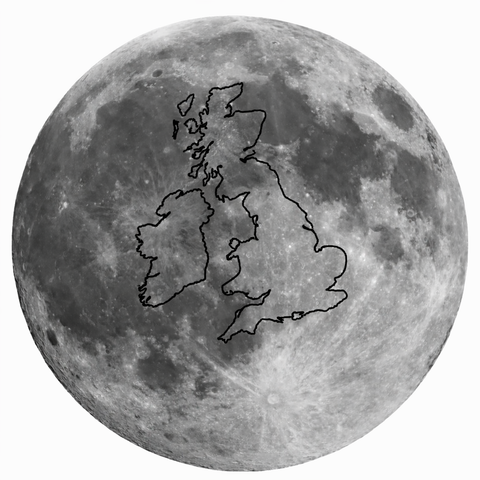
With the Artemis II launch (hopefully next month) to take a crew of four on a loop around the moon, I'm occasionally asked if people can see the Apollo 11 landing site through a telescope. Well, the short answer is no. The long answer is noooooo!

Below is a photo I took of a near full moon, with a map of the UK outlined to scale. One single pixel on the moon covers about 13km.

#science #astronomy #space #moon #UK

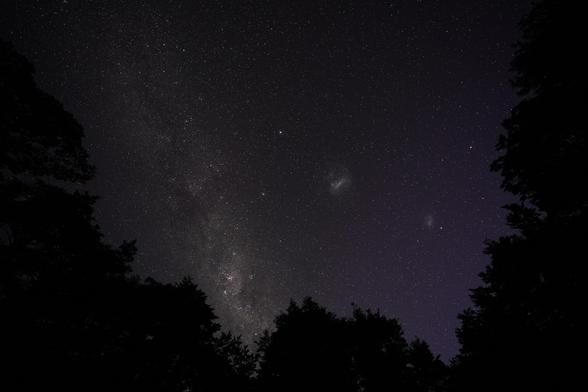
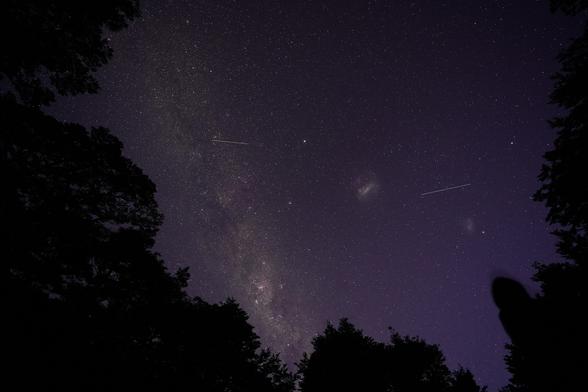
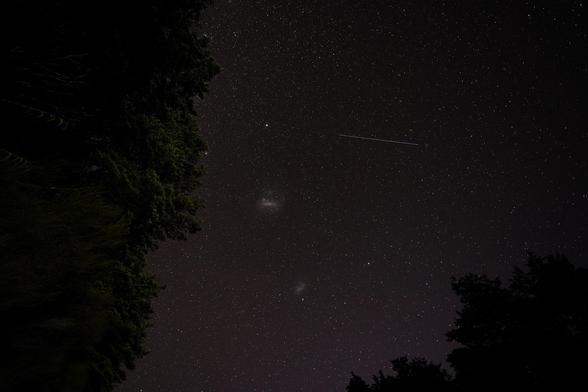
There are lots of satellites here in the southern skies too. But the stars behind the satellites are absolutely incredible! The Milky Way was absurdly bright! The Magellenic Clouds were so easy to see! WOOOOWWWWW

Well, everyone, you can now submit a comment to let the FCC know what you think about SpaceX asking for 1 million satellites for "AI datacenters" whatever the fuck that means.

https://docs.fcc.gov/public/attachments/DA-26-113A1.pdf

Comments due March 6.

I am having a very hard time believing this is really happening. Fuck you, SpaceX, and fuck you, FCC. This is not regulation, this is a fucking joke, that will destroy our ability to use satellites for centuries.

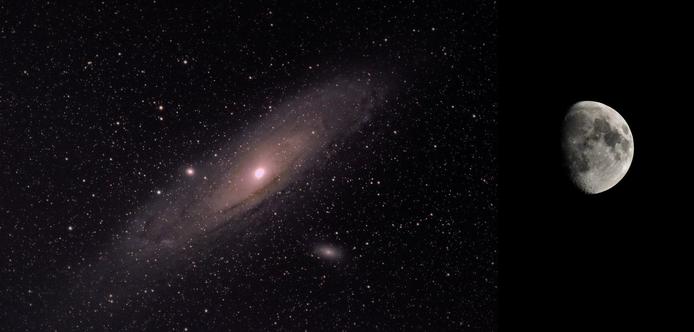
One of the most distant objects you can see in the night sky with the naked eye is the Andromeda galaxy (M31), 2.5 million light-years away. Twice the size of our own galaxy, M31 appears as a fuzzy smudge in the night sky in the constellation of Andromeda.

What you may not know is just how large this distant galaxy appears. M31 is about five times the width of a full moon. I took these two photos using the same equipment and Field of View for comparison.

#space #astronomy #science #fediverse

March full moon 2025: When, where and how to see the Worm Moon

Your guide to March's full Worm Moon, from peak times to skywatching highlights.

Space

Rocket fuel leak delays NASA's Artemis II mission to the Moon by a month. Is this a big deal?
https://www.skyatnightmagazine.com/news/rocket-fuel-leak-delays-nasa-artemis-ii-mission-february-2026?utm_source=flipboard&utm_medium=activitypub

Posted into skyatnightmagazine.com @skyatnightmagazine-com-skyatnightmag

Rocket fuel leak delays NASA's Artemis II mission to the Moon by a month. Is this a big deal? | BBC Sky at Night Magazine

NASA has pushed back the launch of Artemis II to March 2026 at the earliest, following the discovery of a fuel leak during rehearsal.

BBC Sky at Night Magazine

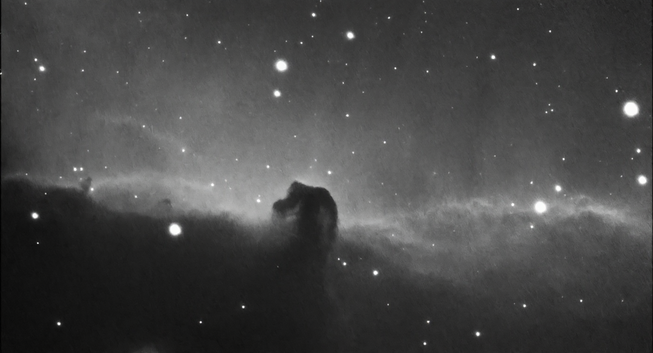
As the constellation of Orion is slowly lost in the morning light, I took one last look at the Horsehead Nebula with my 200mm Newtonian telescope.

The Horsehead Nebula (Barnard 33), located in Orion, is a dark nebula of cold molecular hydrogen and dust, 1,500 light-years away. It blocks light from ionised gas behind it, forming its iconic silhouette. The image highlights the nebula’s dense dust structures and stellar formations.

#space #astronomy #science #fediverse #pixelfed